“Mati Vischinck: No Life Without History or Poetry”
At the Cairo International Book Fair, Romanian-French writer Mati Vischinck stressed that humans cannot live without history or poetry, highlighting the role of literature and translation in building cultures and connecting peoples.


During the 57th Cairo International Book Fair, the International Hall hosted a special panel titled:
“Mati Vischinck: Book Presentation and a Collection of Plays in Arabic… A Dialogue with the Author on Contemporary Romanian and French Theatre.”
The panel was moderated by David Sadoulé, director of the French Cultural Institute in Cairo, with the participation of Romanian-French writer Mati Vischinck and Dr. Rasha Saleh, director of the National Translation Center. 🎭📚
🎙️ “French is the language of cultural meeting”
David Sadoulé opened the panel by emphasizing that Vischinck focuses on the role of literature in building cultures. He highlighted the author’s works in both French and Romanian and described French as the “language of cultural encounter.” 🌍✨
🇪🇬 “Egypt welcomes culture… I will write about it soon”
Vischinck expressed his happiness to be in Cairo, thanking Egypt for opening doors to Romanian culture. He mentioned his familiarity with Egyptian civilization since his student days and noted that many Romanian writers lived in Egypt and wrote about it.
He added that this visit may inspire him to write a new work about Egypt. 🇪🇬✍️
📌 “No human can live without history or poetry”
Vischinck reiterated the importance of history and poetry, describing them as the memory and identity of any society. He emphasized that stories and tales are the best means to educate future generations because they transcend borders and touch hearts. 🧠💬
🌍 “Simple stories, powerful impact”
He said:
“All human stories began simply and evolved, yet they continue to play a key role in addressing societal issues.”
He stressed that everyone has a role in spreading stories, as they act as a “soft power” in shaping awareness. 📖🕊️
🇫🇷 “Paris cares about the whole world”
Vischinck explained that learning French was a turning point in his life. Moving to France at age 30 helped him become more organized in his writing. He noted that many Romanian poetic terms are borrowed from French, reflecting cultural interconnection. 🌐📌
🔁 Translation: “The first language of the world”
Vischinck described translation as the first language of the world because it connects cultures and allows ideas to travel. He experienced this firsthand by translating his works from French to Romanian. His plays have been staged in multiple countries. 🌏🔄
🏛️ Translation as a cultural bridge
Dr. Rasha Saleh emphasized that translation is a soft power tool and a bridge for cultural dialogue. She highlighted Egypt’s openness to cultures and the strategic role of the National Translation Center in linking Egyptian literature to the world. 🏛️📚
🤖 AI and translation
Regarding AI, Dr. Saleh said technology has facilitated translation, yet the main challenge remains conveying the “soul of the text,” especially in poetry. She affirmed that human translators are indispensable for capturing rhythm and cultural nuance. 🤝🧩
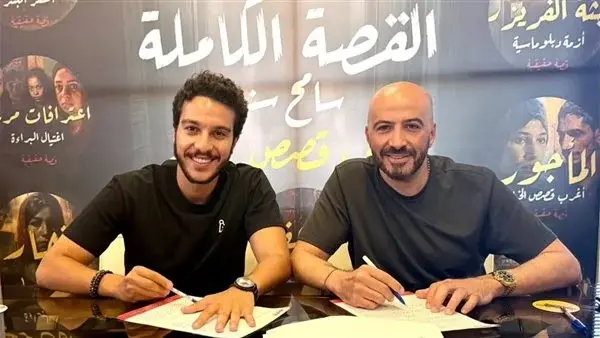
Noor El Nabawy is preparing to begin filming “Gannet Iblis,” one of the stories in “The Full Story” series, alongside Bassem Samra, Faten Saeed and Fadwa Abed.
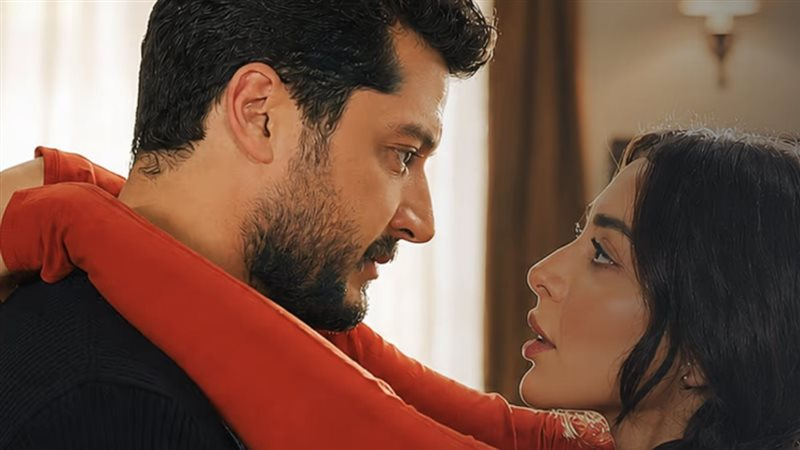
Fans of “Love on Paper” are eagerly awaiting Episode 47 after the shocking ending of Episode 46, which left Lin and Aws trapped after part of Abdul Ghani’s house collapsed on them.
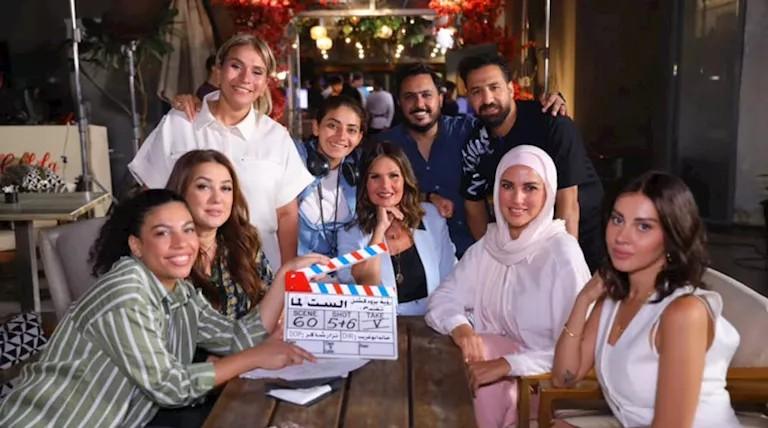
Yousra returns to Egyptian cinemas with “El Set Lamma” on August 19, portraying a new character in a social drama exploring the relationship between men and women
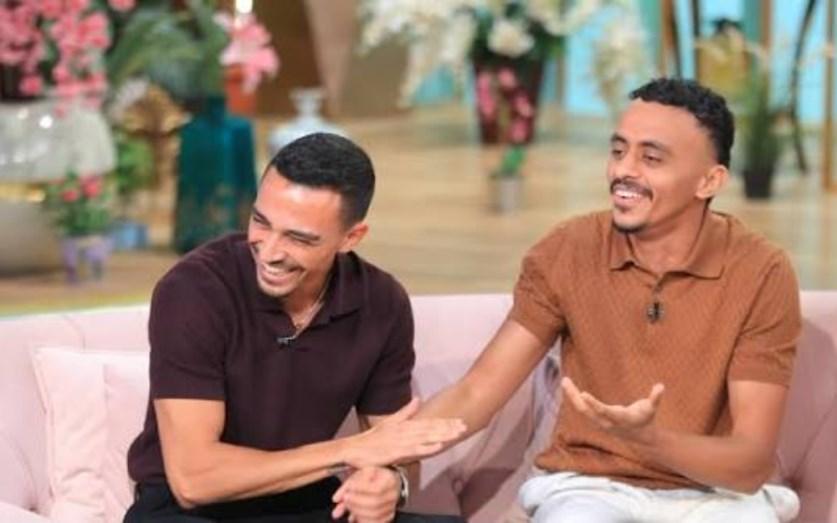
Kozbara and Ahmed Ghazy discuss their experience in “Mahmoud El Tany,” their characters, acting ambitions, career choices, and the film’s human message
