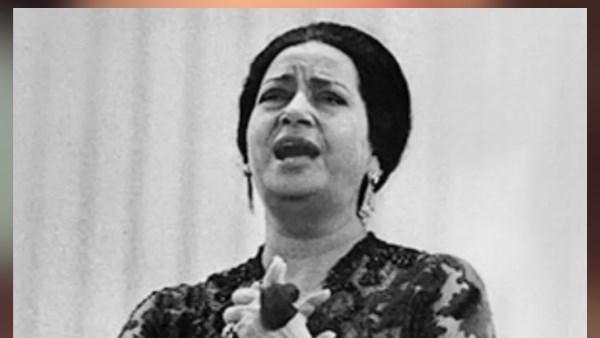

A significant controversy has recently emerged in Egypt’s media and legal landscape following an official complaint submitted to the Public Prosecutor against journalist Mohamed El-Sabbagh. The complaint was filed by lawyer Yasser Qantoush, representing the grandchildren of the legendary Egyptian singer Umm Kulthum, one of the most influential cultural icons in the Arab world 🎤✨
The legal action comes in response to social media posts allegedly published by El-Sabbagh on Facebook, which reportedly contained claims and narratives about the late singer’s personal life and relationships. These posts quickly circulated online, triggering a wave of public reaction and raising questions about the ethical limits of digital expression.
⚖️ According to the complaint, the content in question includes unverified allegations that the family considers defamatory and harmful to the legacy of Umm Kulthum. The legal representatives argue that such content constitutes a violation of the dignity of the deceased and misrepresents a national cultural figure whose artistic legacy remains highly respected across generations.
Lawyer Yasser Qantoush stated that the issue is not merely about differing opinions or journalistic interpretation, but rather about what he described as clear violations of personal dignity and dissemination of unfounded claims. He emphasized that Egyptian law provides protection against defamation and misinformation, especially when it involves prominent public figures.
📱 Meanwhile, the Facebook posts attributed to El-Sabbagh gained significant traction on social media platforms, sparking heated debates among users. Some posts allegedly discussed aspects of Umm Kulthum’s private life and her interactions with public figures, which many online users considered speculative and lacking credible documentation.
The controversy escalated further when the Supreme Council for Media Regulation intervened, ordering the summoning of administrators of several social media accounts, including the one attributed to El-Sabbagh. The council aims to review potential violations of media standards and codes of conduct related to digital publishing.
🔥 Public reaction has been sharply divided. While some users defend the importance of free expression and open discussion in the digital space, others strongly argue that cultural icons such as Umm Kulthum should be treated with respect and that unverified claims should not be circulated as facts.
This case has reignited broader discussions about the role of social media platforms, particularly Facebook, in shaping public opinion. In recent years, social media has become a powerful tool for information dissemination, but also a source of rapid misinformation and controversy.
📊 Analysts note that what begins as a single post can quickly escalate into a national debate, especially when it involves beloved historical or cultural figures. The Umm Kulthum case is a clear example of how digital content can transition from personal expression to a public legal matter within hours.
As the investigation continues, the case is expected to remain under close legal and media scrutiny, with potential implications for digital content regulation and freedom of expression in Egypt.