Attarin building collapse claims two lives and injures five others.
Death toll from the Attarin building collapse rises to two, with five others injured.


Upon receiving the report, Alexandria Governor Ahmed Khaled Hassan Said immediately mobilized all executive authorities to the site of the collapse, located at 138 El-Khedewi Street, at the corner of Salah El-Din Street in the Central District. Civil defense units and ambulances were quickly dispatched to remove the rubble, rescue those trapped underneath, provide first aid to the injured, and transport them to the nearest public hospitals.
The governor was accompanied on his field inspection by top officials from the Alexandria Security Directorate, the head of the Central District, and all relevant agencies. He stressed the need to fully secure the area and prevent gatherings to ensure public safety. He also ordered the provision of temporary housing for neighboring residents until inspections and repairs are complete.
The head of the Central District stated that the building spans approximately 300 square meters and consists of a ground floor, four upper stories, and part of a fifth floor. It includes six residential units and several commercial spaces on the ground level. He noted that a demolition order for the fourth floor and the partial fifth floor had been issued back in 1993 (Decree No. 103 of 1993), along with a mandate to restore the remaining structure. An urgent engineering committee has now been formed to review the building’s technical file and issue recommendations within 48 hours.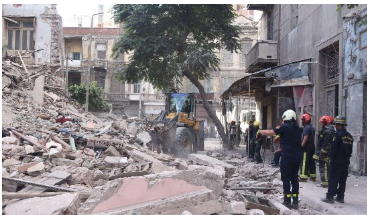 Meanwhile, several residents expressed concern over the recurrence of such incidents, pointing to visible wall cracks that had appeared months ago without any real action from local authorities. They called for stricter oversight of aging buildings and enforcement of existing demolition and renovation orders.
The governor, in response, announced ongoing coordination with the Ministry of Housing and regulatory agencies to implement a comprehensive plan for inspecting all at-risk buildings in the district. He emphasized the enforcement of legal measures against violators, including the suspension of building permits for property owners who refuse to carry out routine maintenance, along with the imposition of immediate fines. He also tasked the emergency operations room with operating a hotline to receive citizen complaints and reports of any new structural cracks.
At the end of his tour, the governor affirmed that full medical and psychological support would be provided to the families of the victims and injured, and he noted that local NGOs had been contacted to deliver urgent aid to displaced residents. “The safety of Alexandria’s citizens is above all else,” he concluded, “and we will not tolerate any negligence that puts lives at risk.”

Misdemeanor and felony cases are among the most important and serious types of criminal cases in Egyptian law, as they are directly related to individuals’ freedom and rights. Handling such cases requires precise legal expertise and strong ability in analyzing evidence and building a solid legal defense, which is what lawyer Amira Samir provides through her practical experience in criminal cases.

Many citizens search for the best lawyer in Beheira who can handle different types of legal cases, whether real estate, criminal, or family law. Choosing the right lawyer is a crucial step to ensure the protection of rights and achieving the best possible legal outcome.
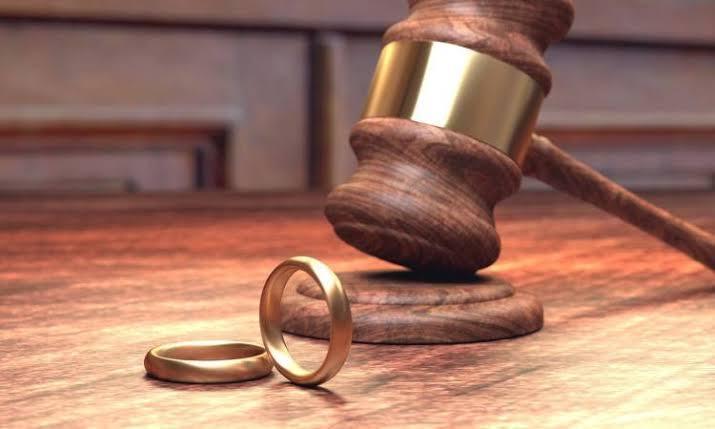
A khula case is one of the most common family law cases in Egypt. It is filed by a wife when marital life becomes impossible. Many women search for the procedure of filing a khula case in Giza in a clear and simple way, which is what we explain in this legal guide.
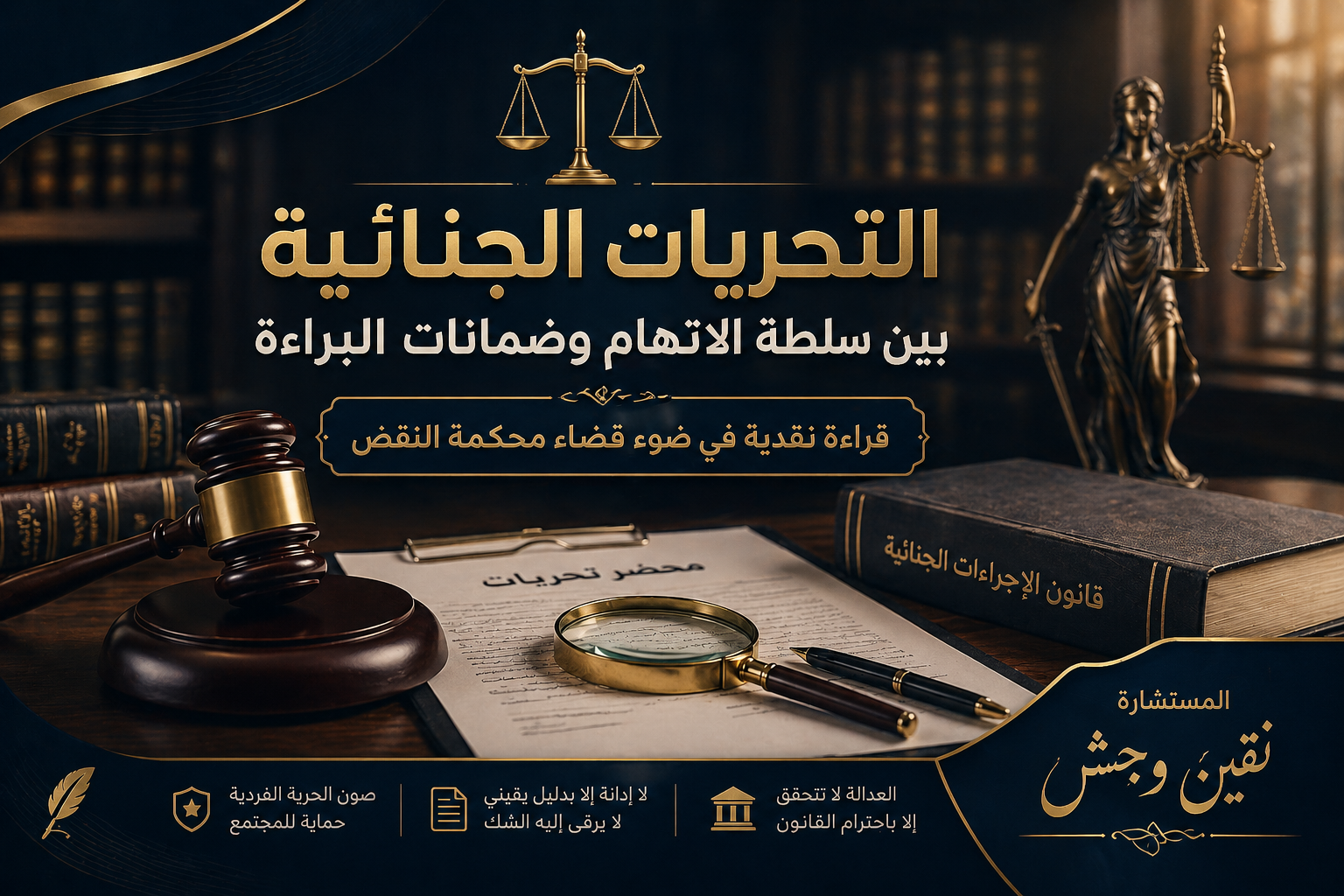
Criminal Investigations Between Prosecution Authority and the Guarantees of Presumption of Innocence
Counselor Nevin Wahsh emphasizes that criminal investigations, despite their importance in the initial detection of crimes, cannot be considered fully-fledged evidence in criminal proceedings. Not every piece of information recorded in investigation reports rises to the level of legal proof, and the belief formed by law enforcement officers cannot, on its own, justify a criminal conviction.
