
Cyber Blackmail and Internet Crimes: What to Do If Someone Threatens to Publish Private Photos? | Lawyer Mohamed Ahmed Saad
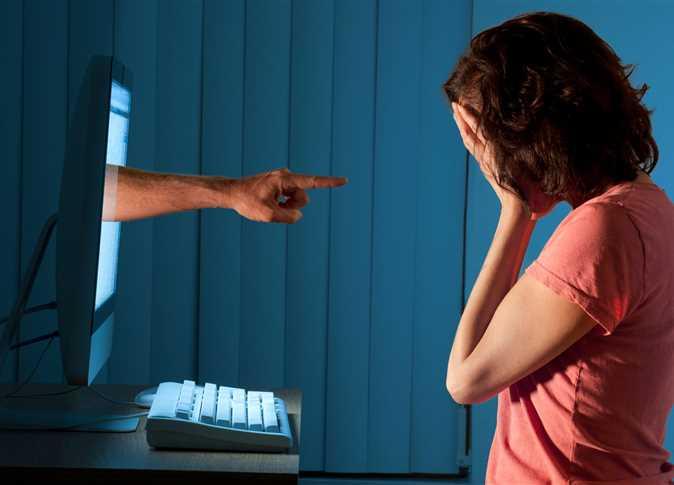
Cyber blackmail has become a serious problem that can place victims under significant psychological pressure and fear, particularly when someone possesses private photos or personal conversations and uses them to threaten the victim, demand money, or force her to do something against her will.
Having private photos does not give a person the right to publish them or use them to harm the person shown in them. Depending on the circumstances, such conduct may involve acts affecting privacy, threats, or misuse of information technology. The precise legal classification depends on the specific facts and actions involved.
Lawyer Mohamed Ahmed Saad provides legal consultations concerning cyber blackmail and internet crimes, with cases assessed according to their circumstances and the available evidence in order to determine the appropriate legal procedures.
📍 Office Address and Contact Information
Address: 4 El-Shaarawy Tower, behind Siag Hotel – El-Labini Street – El-Haram – First Floor – Giza
📱 01124725297 – WhatsApp and direct calls
📞 01002393776 – Phone calls
What Is Cyber Blackmail?
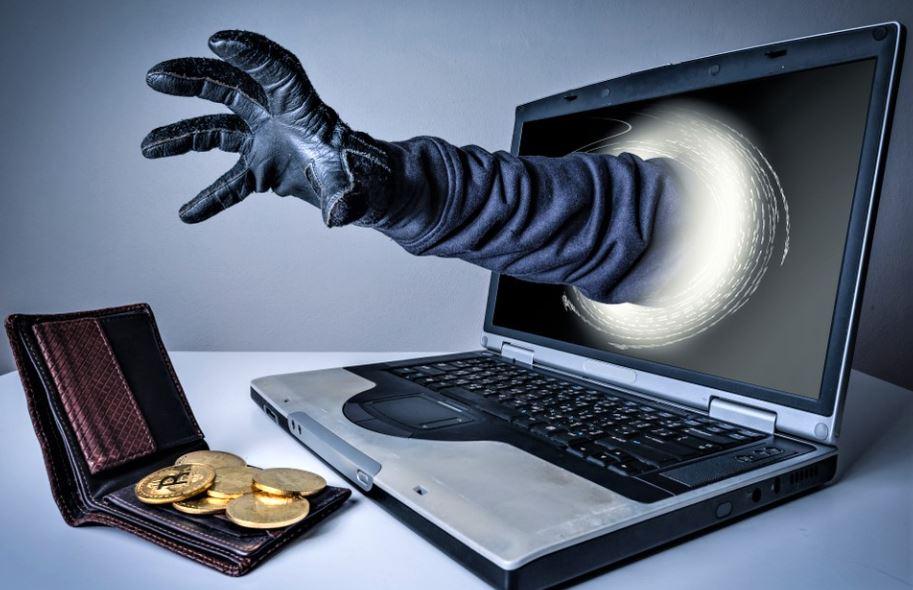
Cyber blackmail involves using online platforms or communication technologies to pressure or threaten another person in order to obtain a benefit, force them to take a particular action, or prevent them from taking an action.
Cyber blackmail may involve private photos, videos, personal conversations, or other information that the offender can use to pressure the victim.
The situation becomes particularly serious when the threat involves publishing private material, sending it to family members, friends, colleagues, or sharing it publicly on social media platforms.
What If Someone Has Private Photos and Threatens to Publish Them?
If someone has private photos and uses them to threaten or blackmail a woman, it is important to remain calm and take appropriate legal steps as early as possible.
It is generally advisable not to respond to the threat by sending additional photos, transferring money, or making further concessions. Doing so does not necessarily stop the blackmail and may give the offender additional material to continue applying pressure.
It is important to preserve evidence related to the incident, including messages, account information, phone numbers, dates and times of threats, and any financial demands or other requests.
Can Publishing Private Photos Constitute a Crime?
Publishing private photos without the person's consent may result in legal liability depending on the nature of the photos, how they were obtained, the manner of publication, and the circumstances surrounding the incident.
Egypt's Information Technology Crimes Law No. 175 of 2018 addresses acts involving violations of privacy, including publishing information, news, photos, or similar material that violates a person's privacy without consent, whether the published information is true or false.
The legal classification of a particular incident depends on its specific circumstances and the available evidence.
What If the Threat Involves a Demand for Money?
If a person threatens to publish private photos in exchange for money, the incident may involve multiple legal offenses depending on the nature of the threat, the method used, and the actions actually committed.
The legal assessment does not depend solely on describing the incident as "blackmail." The specific threats, demands, communications, and evidence must be examined to determine the applicable legal classification.
What Should You Do If You Are a Victim of Cyber Blackmail?
When someone is threatened or blackmailed using private photos or personal information, the incident should be treated as a legal matter requiring careful documentation.
Important steps include:
- Do not delete messages or conversations related to the incident.
- Keep clear screenshots of threats and conversations.
- Save the phone number, username, or account information connected to the offender.
- Do not alter or manipulate the original evidence.
- Do not send additional photos or personal information in response to the threat.
- Do not transfer money simply because you believe it will end the blackmail.
- Do not repost or circulate the private photos.
- Seek legal advice to understand the appropriate procedures based on the specific circumstances.
Should a Victim Be Afraid to Report Cyber Blackmail?
Fear or embarrassment may prevent some victims from reporting cyber blackmail. However, delaying action may allow the offender to continue or escalate the threats.
Every case is different, so preserving evidence and obtaining legal advice can help determine the appropriate procedural steps, particularly when the incident involves private or sensitive photos and personal information.
What If the Blackmailer Has Already Published the Photos?
If the offender has already published the photos, this does not necessarily mean that legal options are no longer available.
The victim should preserve evidence of the publication, including the account or page where the photos appeared, and document the related messages and threats as much as possible without further circulating the photos themselves.
Publishing private photos without the person's consent may carry legal consequences depending on the content and circumstances of the incident. The available evidence should therefore be presented to a legal professional to determine the appropriate course of action.
Does Deleting Messages Mean the Case Cannot Be Proven?
If the blackmailer deletes messages from their account, this does not necessarily mean that the incident can no longer be investigated or proven.
The victim should preserve whatever evidence remains available and avoid deleting conversations, accounts, phone numbers, or other information connected to the incident.
The legal assessment may depend on multiple pieces of evidence and circumstances rather than a single message.
What Is the Difference Between Cyber Blackmail, Defamation, and Privacy Violations?
Several legal issues may overlap in the same incident.
Blackmail generally involves threats or pressure intended to obtain a benefit or force the victim to take a particular action. A privacy violation may involve publishing or sharing private information or photos without the person's consent.
Defamation may involve publishing content or information that harms a person's reputation. The final legal classification depends on the specific facts, the method used, and the content involved.
For this reason, the legal description of an incident cannot be determined simply because it involves "photos" or "threats." The complete circumstances must be examined.
How Can You Protect Your Accounts and Personal Information?
Preventive measures cannot eliminate every risk of online crime, but they can reduce the possibility of unauthorized access to accounts and personal information.
Useful security measures include using strong and different passwords for different accounts, enabling two-factor authentication, never sharing passwords or verification codes, and being cautious with suspicious messages and links.
It is also advisable to review privacy settings and limit the sharing of private photos and personal information with untrusted accounts.
Cyber blackmail involving private photos is more than a personal dispute, and certain actions may result in legal liability depending on the circumstances, evidence, use of the photos or information, and the threats made by the offender.
If someone possesses private photos of a woman and threatens to publish them, demands money, or pressures her to comply with certain requests, it is important to avoid responses that could worsen the situation, preserve all available evidence, and seek legal advice regarding the appropriate procedures.
Lawyer Mohamed Ahmed Saad provides legal consultations concerning cyber blackmail and internet crimes from his office in El-Haram, Giza.