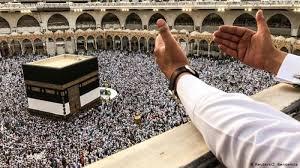

Al-Azhar Fatwa Center Clarifies: Tawaf on Upper Floors Carries Full Reward
The Al-Azhar Global Center for Electronic Fatwas affirmed that performing Tawaf (circumambulation) on the upper floors inside the Grand Mosque in Mecca during Hajj is permissible according to Islamic law, and the pilgrim or Umrah performer receives the same reward as if they had performed Tawaf directly in the courtyard surrounding the Kaaba. This ruling takes into account people’s health and physical conditions and aims to make the performance of rituals easier.
Does Tawaf on the Upper Floors Reduce the Reward? Al-Azhar Responds
This clarification came in response to a question submitted to the center about whether performing Tawaf on elevated floors is religiously acceptable, and whether a person would receive full reward compared to performing it on the ground level near the Kaaba.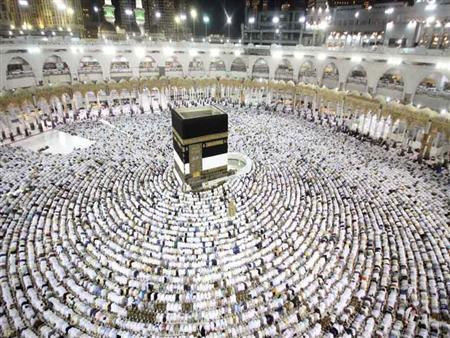
Al-Azhar emphasized that Islamic law is based on ease and compassion, and that God does not burden any soul beyond its capacity. It confirmed that Tawaf on upper floors is fully permissible for those who are unable to perform it in the courtyard due to crowding, illness, or old age, and that they will receive the complete reward by God’s will. In fact, avoiding crowded areas for the safety of oneself and others is rewardable in itself.
The center also noted that a pilgrim or Umrah performer may rest during Tawaf or Sa’i (the walk between Safa and Marwa) if needed, without incurring sin or losing reward, as long as this is due to hardship or necessity.
The Great Virtue of Hajj
Under the title “The Virtue of Performing Hajj”, the center explained that Hajj is the fifth pillar of Islam, made obligatory by God on those who are able. It is one of the most beloved acts to God, involving personal sacrifice, physical and financial effort, and sincere repentance that purifies the heart and body.
The center cited several Hadiths to show the virtue of Hajj, including:
“Whoever performs Hajj and avoids foul language and sin will return [home] as sinless as the day he was born.”
(Narrated by al-Bukhari and Muslim)
Another Hadith states:
“Perform Hajj and Umrah consecutively, for they remove poverty and sins just as a furnace removes impurities from iron.”
(Narrated by al-Tirmidhi)
Al-Azhar also emphasized that Hajj is a form of jihad in the path of God, especially for those unable to fight in battle. The Prophet ﷺ once told a weak man:
“Come to a jihad in which there is no fighting: Hajj.”
And to a woman who asked about the best deeds, he said:
“The best jihad is a Hajj Mabroor (an accepted pilgrimage).”
(Narrated by al-Bukhari)
Final Word from Al-Azhar
In conclusion, Al-Azhar’s Fatwa Center urged Muslims to appreciate the greatness of these sacred rituals, make things easier for themselves and others, and seek reward in every step. They stressed that God’s mercy encompasses all things, and that sincere intentions and devoted actions elevate one’s reward—no matter the location or method of performing the ritual.