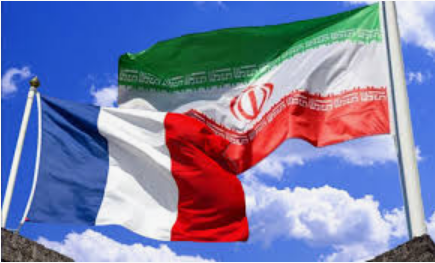

On the diplomatic front, the French Foreign Minister called for the involvement of all regional powers in emergency talks aimed at establishing a strict monitoring mechanism for Iran’s nuclear facilities under the supervision of the International Atomic Energy Agency (IAEA). In Brussels, an EU official emphasized the need to expand the authority of international inspection teams, granting them immediate, unannounced access to problematic reactors.
Meanwhile, Russia expressed reservations about any arbitrary military strikes, urging restraint and avoidance of actions that might violate international law. China voiced deep concern over the escalating tensions and renewed its call for all parties to quickly return to the negotiating table to preserve the nuclear agreement and regional stability. The Director General of the IAEA stressed the importance of the agency obtaining full and immediate access to the IR-40 reactor and other Iranian sites, affirming that strict oversight and full transparency are the best ways to prevent any military use of Iran’s nuclear program.
These developments come amid expectations of a global rise in oil prices and growing fears about the impact of any military escalation on energy security, while the Iran-international nuclear negotiations remain stalled due to a lack of agreement on sufficient guarantees to prevent the program’s conversion into a nuclear arms race.