Tragedy in Sharqia: Father Ends Daughter’s Life for Loving Someone Other Than Her Cousin!
Father kills teenage daughter for refusing arranged marriage to her cousin in Sharqia.


In a heartbreaking incident that left a village in shock, security forces in Egypt's Sharqia Governorate arrested a 50-year-old scrap dealer accused of assaulting his 17-year-old daughter to death inside the family home in the village of Al-Asaid, part of the Deyerb Negm district.
According to preliminary investigations, a heated dispute broke out between the father and his daughter after he insisted on forcibly marrying her off to her cousin — a proposal she firmly rejected due to being emotionally involved with another young man. The rejection enraged the father, who allegedly beat her with a rubber hose until she collapsed, suffering a fatal head injury that led to her death on the spot.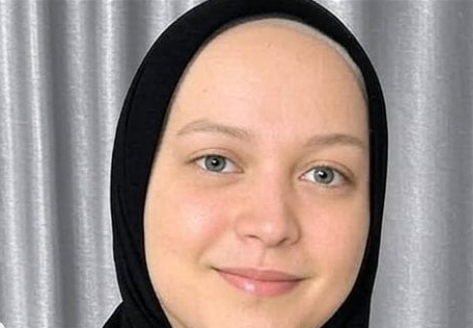 Police were dispatched immediately after the incident, and the body was transferred to the Deyerb Negm Central Hospital morgue. A report was filed, and the public prosecution launched an investigation, ordering a forensic examination to confirm the cause of death amid strong criminal suspicion.
What added to the emotional weight of the case was a Facebook post by the victim’s sister, who attempted to defend their father’s character. She wrote:
“People see my father as a criminal, but to us, he’s the kindest man — he never beat us or humiliated us. Yasmine was the closest to him; she was his soul. What happened was God’s will, nothing more.”
She continued, “My father worked so hard for us. People don’t know our circumstances. He’s not perfect, but he’s not a killer. No one kills the daughter he loves. He was angry and trying to talk to her, but the moment got out of control.”
The post sparked debate online and within the community. Some considered the incident a case of domestic violence that ended in deliberate murder, while others viewed it as a tragic accident during a moment of rage — especially within a socially conservative environment where family honor and arranged marriages still prevail.
Meanwhile, the public prosecution is continuing an extensive investigation, interviewing family members and neighbors, reviewing surveillance footage from nearby areas, and piecing together the timeline leading up to the tragedy. Authorities have assured the public that the law will be applied firmly and fairly, taking into account the social and psychological aspects of the case.
This tragic story highlights a deeper issue within family dynamics — the urgent need for open dialogue and compassion, particularly around sensitive topics like marriage, where consent and empathy should replace coercion and control.
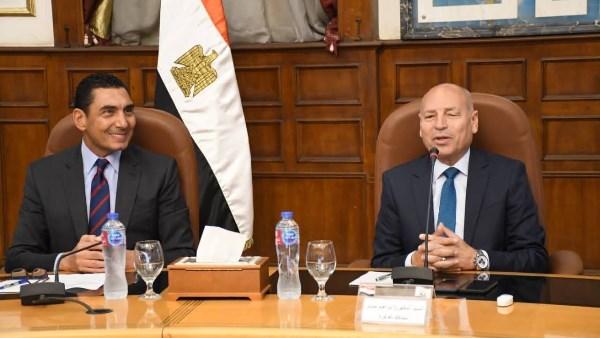
A major meeting between the Minister of Youth and Sports and the Cairo Governor discussed new projects aimed at expanding sports participation, developing youth centers, and establishing free public sports fields across the capital.

Discover the legal services of Counselor Mohamed Shaheen, one of the top lawyers in 6th of October City, specializing in criminal, civil, commercial, and family law cases, as well as legal consultations for individuals and businesses.

Are you looking for Wave Sound Company in 6th of October City? Discover the best German hearing aid solutions, along with professional hearing tests, hearing aid programming, maintenance, and ongoing follow-up services using the latest technology. Contact us today at +20 112 519 8774.

Learn how to choose the best artistic wall paintings and decorative paints for your home in Nasr City, with professional finishing and painting services by Hamada Ramadan.
