5 Vegetables That Help Reduce Uric Acid Levels in 30 Days
Learn about five powerful vegetables that can naturally lower uric acid levels within 30 days and help prevent gout and joint pain through a balanced diet.
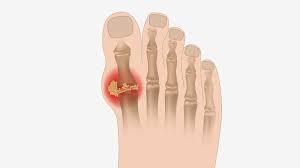
High uric acid levels in the blood can lead to joint pain, gout attacks, and kidney problems. While medications play a vital role, diet is equally important in managing this condition. Here are five vegetables proven to help reduce uric acid levels within a month:
🥒 Cucumber: A Natural Detoxifier
Cucumber contains about 99% water, helping the body flush out uric acid efficiently. It soothes inflammation and supports kidney function. Enjoy it in salads or as fresh juice daily for a cooling and cleansing effect.
🥕 Carrot: The Anti-inflammatory Root
Rich in antioxidants and fiber, carrots promote proper metabolism and support kidney health. They help the body eliminate uric acid and ease inflammation associated with gout.
🍅 Tomato: The Alkaline Shield
Tomatoes are rich in Vitamin C and lycopene, helping neutralize acidity and reduce uric acid buildup. Adding tomatoes to your daily meals can improve kidney performance and protect joints from swelling.
🍈 Bitter Gourd: The Cleansing Powerhouse
Bitter gourd contains potassium, magnesium, and Vitamin C, enhancing kidney and liver functions. Its anti-inflammatory properties aid in reducing uric acid and preventing gout flare-ups.
🌶️ Bell Pepper: Vitamin C Booster
Bell peppers are loaded with Vitamin C and antioxidants that support uric acid breakdown and removal. They also improve blood vessel health and reduce inflammation.
🍽️ Additional Tips for Uric Acid Control
Stay well-hydrated to support kidney detoxification.
Limit high-purine foods like red meat and seafood.
Opt for low-fat or plant-based protein sources.
Engage in regular physical activity.
Avoid sugary drinks and manage stress levels.
By combining these vegetables with a healthy lifestyle, you can naturally reduce uric acid levels in just 30 days and enhance overall wellness.

Many people, after doing medical tests, receive their results and immediately start looking at numbers and unfamiliar terms like (High – Low – Normal) without fully understanding what they actually mean.

When dealing with medical services, many people come across different titles for doctors such as “Specialist” and “Consultant”, which can sometimes create confusion about what each title actually means and how they differ from each other.

Choosing the right time to visit a doctor is not a random decision. It can directly affect how quickly a condition is diagnosed and how effective the treatment will be. Many people delay visiting a doctor or go at the wrong time, which may lead to worsening symptoms or delayed care.

Choosing the right doctor is one of the most important decisions in any healthcare journey. However, many people make mistakes during this process, which can affect the quality of care they receive or delay proper treatment. In this article, we highlight some of the most common mistakes people make when selecting a doctor, presented in a simple and informative way to help you make more informed decisions.
