6 Effective Ways to Prevent Kidney Stones During Winter
Cold weather can increase dehydration without notice, raising the risk of kidney stones. Experts highlight simple winter habits that help protect kidney health.

As temperatures drop, many people unknowingly reduce their water intake, leading to concentrated urine and a higher likelihood of forming kidney stones. Studies show that winter dehydration, combined with high salt consumption and increased intake of animal protein, creates favorable conditions for mineral crystallization inside the kidneys. These stones, often composed of calcium, oxalates, or uric acid, can cause severe discomfort when they move through the urinary tract.
Research consistently reveals a spike in kidney stone cases during winter months. Findings indicate that cold weather diminishes the sensation of thirst, resulting in mild chronic dehydration. Diets rich in sodium and animal protein further raise levels of calcium and uric acid in the urine, increasing the chances of stone formation. Individuals with a history of kidney stones, obesity, diabetes, or metabolic disorders face an even greater risk — especially when physical activity decreases during winter.
Key symptoms include sharp pain in the back or side, burning during urination, cloudy or reddish urine, nausea, or frequent urges to urinate. If left untreated, stones may block urinary flow and trigger dangerous kidney infections.
Treatment options depend on stone size and type. While smaller stones may pass naturally with increased hydration, larger stones may require shock wave therapy, ureteroscopy, or laser fragmentation for safe removal.
To prevent kidney stones in winter, experts recommend drinking 10–12 cups of water daily, reducing salt and processed foods, adding citrus fruits to the diet, staying physically active, monitoring urine color, and seeking immediate medical help if pain or blood in urine appears.

Regular health screening is one of the most important steps to maintain good health and detect diseases early. The essential medical checkups for every age help in preventing complications and ensuring a healthier life.
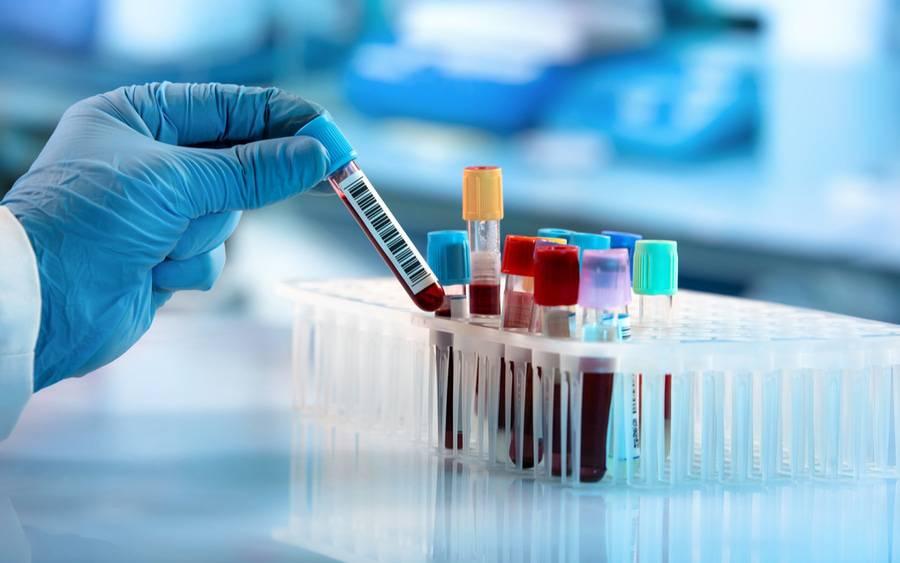
Many people, after doing medical tests, receive their results and immediately start looking at numbers and unfamiliar terms like (High – Low – Normal) without fully understanding what they actually mean.

When dealing with medical services, many people come across different titles for doctors such as “Specialist” and “Consultant”, which can sometimes create confusion about what each title actually means and how they differ from each other.

Choosing the right time to visit a doctor is not a random decision. It can directly affect how quickly a condition is diagnosed and how effective the treatment will be. Many people delay visiting a doctor or go at the wrong time, which may lead to worsening symptoms or delayed care.
