6 Warning Signs of Internet Addiction and 3 Essential Tips
Learn how to spot internet addiction, the signs you shouldn’t ignore, and effective tips to regain digital balance.

In today’s world, the internet is inseparable from daily life, but overuse can become addictive, affecting the brain similarly to drugs. According to Everyday Health, although internet addiction isn’t officially recognized, it shows classic addiction traits: loss of control, mental preoccupation, and inability to stop despite negative consequences.
1. How it starts
It often begins with curiosity or casual entertainment, then extends to hours online. Each interaction releases dopamine, the reward hormone. Repeated exposure makes the brain crave it continuously, similar to substance addiction.
2. Warning signs not to ignore
-
Losing track of time online.
-
Frequent late nights and sleep disturbances.
-
Declining performance at work or school.
-
Social withdrawal and avoiding real-life interactions.
-
Anxiety or stress when away from devices.
-
Failed attempts to reduce screen time.
Excessive internet use can cause physical issues like back/neck pain, headaches, dry eyes, and weight gain, and psychological effects such as depression, poor concentration, and mood swings.
3. From heavy use to addiction
The threshold isn’t just hours spent online, but its impact on life. When the internet becomes a way to escape reality, it becomes a behavioral disorder.
4. Most vulnerable groups
Teenagers and young adults, as well as those with social anxiety or ADHD, are most at risk since the internet provides temporary control or comfort.
5. Digital withdrawal symptoms
Sudden deprivation may trigger anxiety, anger, insomnia, and even temporary depression. Limited cases showed psychotic-like symptoms after abrupt cessation of intensive gaming, highlighting its neurological impact.
6. Tips to regain balance
-
Cognitive Behavioral Therapy (CBT) to rebuild a healthy relationship with the internet.
-
Strict usage schedules with alternative dopamine-boosting activities like exercise and music.
-
Family support to monitor behavior and provide guidance without judgment.
-
In some cases, antidepressants may help alleviate anxiety or mood disorders under medical supervision.
7. Digital prevention
-
Turn off unnecessary notifications.
-
Avoid using your phone before bed or immediately after waking.
-
Designate “device-free hours” daily.
-
Engage in real-life activities to reconnect with the physical world.
👉 For more details and latest mental health and tech news, follow Misr Connect

Successful non-surgical treatment of a herniated disc does not depend on a single session or a quick procedure. Instead, it is based on a well-structured and comprehensive treatment program aimed at reducing pain, restoring mobility, and preventing recurrence.

You may begin your journey of treating back pain by visiting a top physiotherapy center or undergoing spinal adjustment sessions, and initially feel significant improvement. However, symptoms often return—or even worsen over time.You may begin your journey of treating back pain by visiting a top physiotherapy center or undergoing spinal adjustment sessions, and initially feel significant improvement. However, symptoms often return—or even worsen over time.
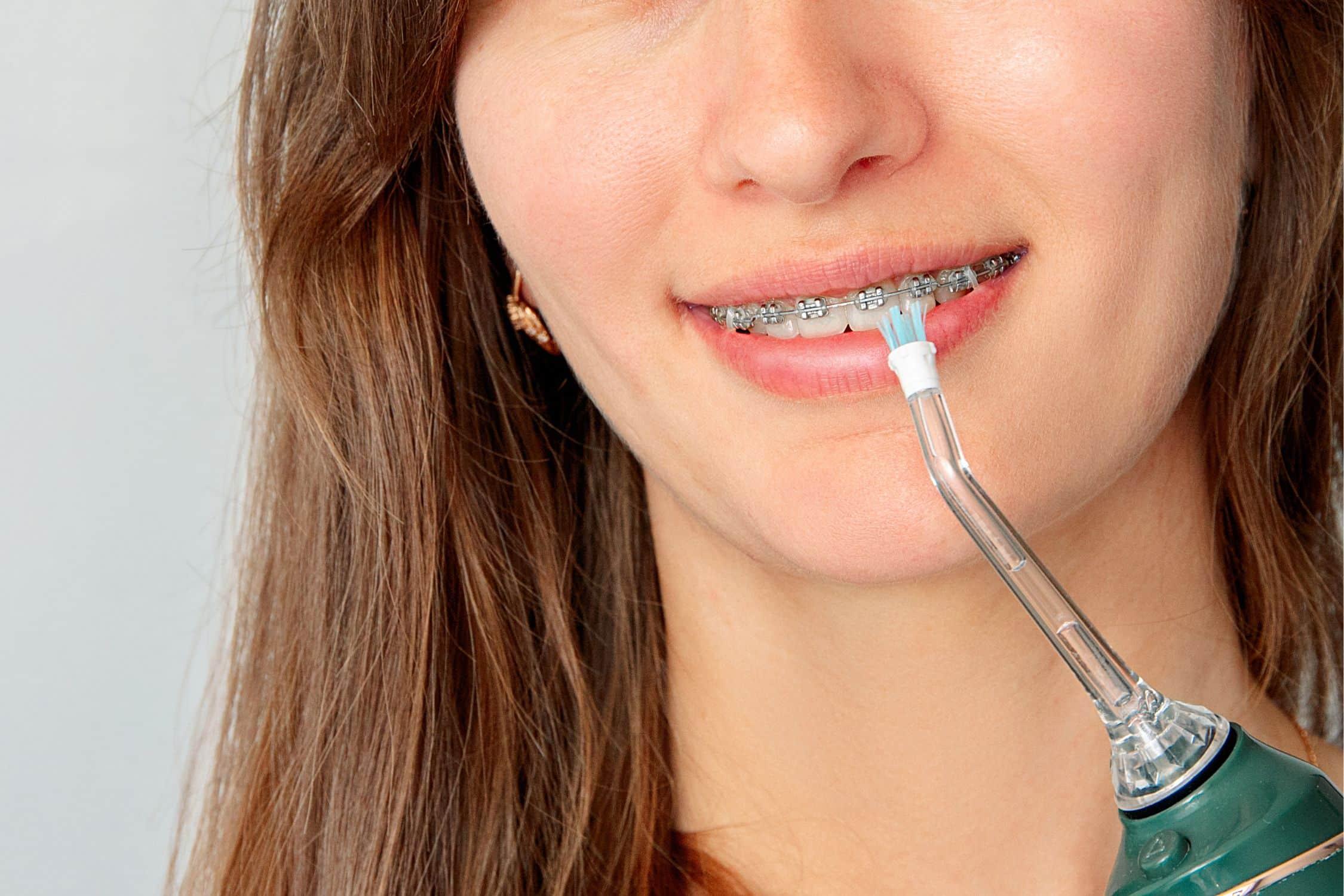
How to care for teeth after braces is one of the most important stages after orthodontic treatment, as the post-braces phase is just as crucial as the treatment itself.
Choosing the best toothpaste by condition is not random, because every oral health problem requires a different type of care. A toothpaste that works for tooth sensitivity may not be the best option for cavities or gum disease.
