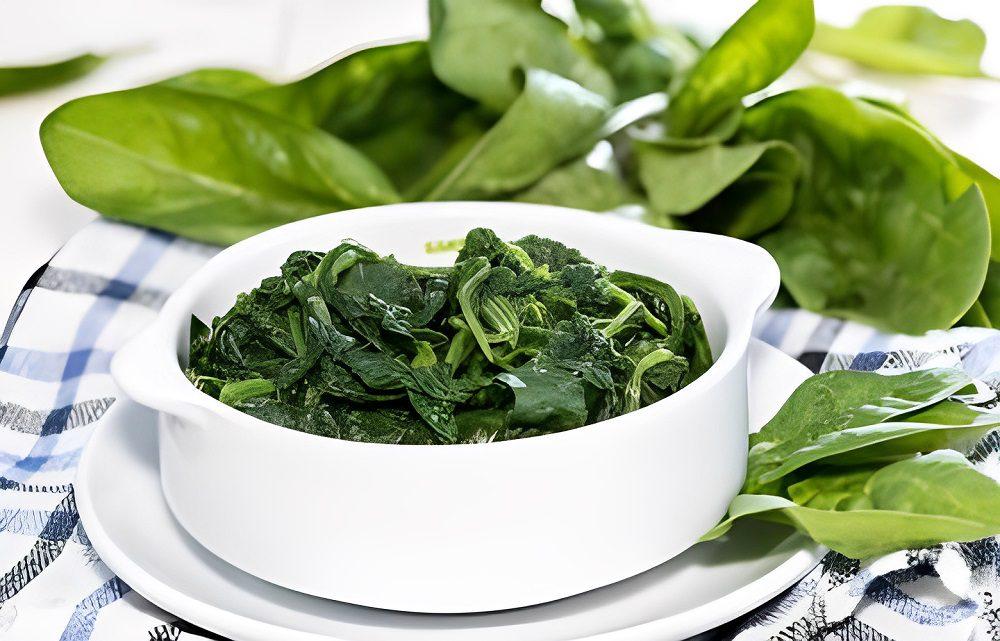

Spinach is a nutritional treasure perfect for Ramadan iftar. It is low in calories, rich in vitamins, minerals, and fiber, which help keep you full. Here are the main benefits:
-
Low-Calorie Nutrient Source
Two-thirds of a cup (100g) of raw spinach contains 23 calories, 3g protein, and no fat or cholesterol. It provides:
-
483 mcg vitamin K (402% DV)
-
469 mcg vitamin A (52%)
-
194 mcg folate (49%)
-
79 mg magnesium (19%)
-
2.7 mg iron (15%)
-
28 mg vitamin C (31%)
-
558 mg potassium (12%)
-
Disease Protection
Spinach contains antioxidants like beta-carotene and lutein that protect cells from free radical damage and reduce risks of cancer, autoimmune diseases, and Alzheimer’s. Alpha-lipoic acid helps manage blood sugar in diabetics. -
Blood Pressure Support
Potassium, magnesium, folate, and nitrates in spinach help dilate blood vessels, lower blood pressure, and support heart and kidney health. -
Brain Health
Half a cup of cooked leafy greens daily slows age-related memory decline and may reduce Alzheimer’s risk through antioxidants, folate, and vitamin K. -
Gut Health
Spinach’s insoluble fiber promotes fullness and adds bulk to stool, preventing constipation. -
Blood Health
Spinach is rich in non-heme iron, aiding hemoglobin production and oxygen transport. Pairing with vitamin C-rich foods enhances absorption. -
Eye Protection
Antioxidants lutein and zeaxanthin, along with vitamin A and beta-carotene, protect eyes from sun damage and age-related eye conditions like macular degeneration and cataracts.
Eating spinach with healthy fats boosts antioxidant absorption. Including spinach in your Ramadan iftar provides a powerful blend of nutrition for your body, brain, eyes, and digestive system.
For more details and latest updates, follow Misr Connect