

Addiction Treatment and Relapse Prevention: Treatment Stages and Ways to Maintain Recovery
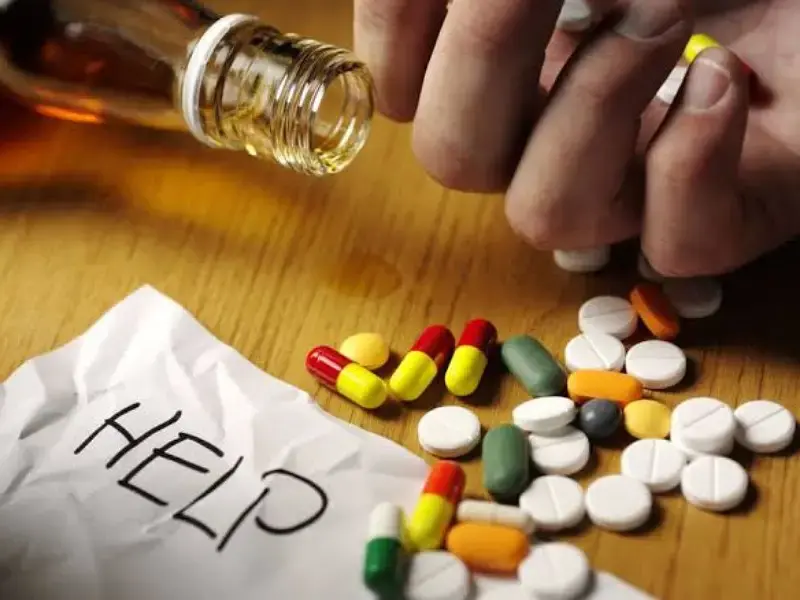
Addiction treatment requires a comprehensive plan that helps individuals overcome dependence on addictive substances or behaviors and regain the ability to lead healthier lives. Dr. Hebatallah Mahrous highlights the importance of treating addiction as a condition that requires professional assessment and ongoing support, rather than viewing recovery as simply a decision to stop using a substance. Relapse prevention is also an essential part of recovery because it helps individuals manage stress and triggers that may lead them back to addictive behaviors.
Contact Details for Dr. Hebatallah Mahrous
Areas: First Settlement – Heliopolis – Hadayek El Maadi.
For appointments and inquiries via WhatsApp:
What Is Addiction and How Does It Affect a Person's Life?
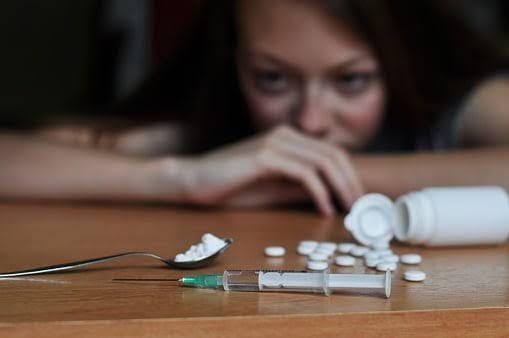
Addiction is a complex condition that affects brain function and behavior. It may cause a person to continue using a substance or engaging in a particular behavior despite recognizing the harm it causes.
The effects of addiction are not limited to physical health. They may also affect mental health, relationships, work, and education. A person may struggle to control strong urges or repeatedly return to addictive behaviors despite attempts to stop.
The nature and effects of addiction vary depending on the substance or behavior involved, the duration of use, and the person's physical and psychological health.
What Are the Causes of Addiction?
There is no single cause of addiction. Several factors may interact and increase a person's risk, including:
Psychological Factors
Some cases of addiction may be associated with attempts to cope with anxiety, depression, emotional stress, or difficult experiences. A person may turn to a substance or behavior for temporary relief or to escape problems, but repeated use can lead to dependence over time.
Environmental and Social Factors
A person's surroundings may influence the risk of addiction. Social pressure, repeated exposure to substance use among close contacts, and limited family or social support may contribute to the problem.
Genetic and Biological Factors
Genetic influences and biological differences may increase some individuals' vulnerability to addiction. However, these factors do not mean that addiction is inevitable.
Early Exposure to Addictive Substances
Early exposure to certain addictive substances may increase the likelihood of developing dependence, particularly when use is repeated and other risk factors are present.
What Are the Signs of Addiction That May Require Professional Help?
Symptoms vary depending on the type of addiction, but certain signs may indicate a need for professional assessment:
-
Losing control over the amount or duration of substance use or addictive behavior.
-
Spending increasing amounts of time obtaining or using a substance.
-
Repeated attempts to stop without being able to maintain abstinence.
-
Neglecting work, education, or family responsibilities.
-
Withdrawing from friends and usual activities.
-
Continuing use despite physical, psychological, or social harm.
-
Experiencing strong and repeated cravings.
-
Developing withdrawal symptoms after stopping certain substances.
A person does not need to experience all these signs before seeking help. Early assessment may support treatment before the problem becomes more severe.
How Is Addiction Treated?
Addiction treatment depends on an assessment of the person's condition, the substance or behavior involved, and its effects on physical and mental health. There is no single treatment plan that works for everyone, so the stages of care vary from one person to another.
Assessment and Diagnosis
Treatment begins with a comprehensive assessment of the person's history of substance use or addictive behavior, its duration, its impact on daily life, and their physical and psychological health.
This assessment helps identify treatment needs and determine whether the person requires urgent medical intervention, specialized follow-up, or a comprehensive treatment program.
Detoxification and Withdrawal Management
Some individuals may need a detoxification stage, during which the effects of stopping substance use are medically managed.
Withdrawal symptoms vary depending on the substance, duration of use, and the person's health. Some symptoms can be dangerous, so stopping certain substances should take place under appropriate medical supervision.
Suddenly stopping substance use or taking medication without medical advice is not recommended.
Psychological and Behavioral Therapy
Psychological treatment is an important part of addiction care. It helps individuals understand the causes and situations associated with substance use and develop healthier ways to manage cravings and stress.
Treatment approaches may include cognitive behavioral therapy, which helps identify and change thoughts and behaviors associated with addiction. It can also help individuals develop skills for managing situations that may increase the risk of returning to substance use.
Medication When Needed
Certain medications may be included in an addiction treatment plan, depending on the substance involved, the patient's health, and the medical assessment.
These medications may help reduce withdrawal symptoms, cravings, or some associated conditions. The doctor should determine the medication, dosage, and duration of treatment while monitoring the response and possible side effects.
Rehabilitation and Follow-Up
Addiction treatment does not end when substance use stops. Ongoing support may help individuals build a more stable lifestyle, restore relationships and responsibilities, and develop skills for managing difficult situations without returning to addictive behaviors.
What Is Relapse After Addiction Treatment?
Relapse refers to returning to substance use or addictive behavior after a period of stopping or recovery.
A relapse does not necessarily mean that treatment has failed or that recovery is impossible. It may indicate the presence of triggers, stressors, or treatment needs that have not been adequately addressed.
It is important to view relapse as a sign that the treatment plan may need reassessment and that the factors contributing to the return to substance use should be identified. Blaming the individual or losing hope in recovery is not helpful.
What Causes Relapse After Recovery?
Relapse may occur due to several factors, which vary from one person to another. Common contributors include:
Psychological and Emotional Stress
Family problems, work pressure, loneliness, or sadness may increase the urge to return to substance use, particularly when a person has not developed effective coping skills.
Contact With People or Places Associated With Substance Use
Returning to a previous environment or spending time with people associated with substance use may trigger cravings and increase the risk of relapse.
Stopping Treatment Follow-Up
Missing therapy sessions or stopping prescribed medication without consulting a doctor may increase relapse risk in some cases.
Believing That Substance Use Can Be Controlled
A person may believe they can return to using a substance in limited amounts without losing control again. This belief may increase the risk of relapse.
Untreated Co-Occurring Conditions
Some cases of addiction are associated with anxiety, depression, or other mental health conditions. If these concerns are not addressed as part of treatment, maintaining recovery may become more difficult.
How Can Relapse Be Prevented?
Relapse prevention requires an ongoing plan that helps individuals recognize risk factors and respond to them in healthier ways. Important steps include:
-
Attending treatment and follow-up sessions as recommended.
-
Avoiding people and places associated with substance use.
-
Identifying situations and emotions that trigger cravings.
-
Learning healthy ways to manage stress and emotional pressure.
-
Maintaining regular sleep, balanced nutrition, and physical activity.
-
Building supportive relationships and avoiding isolation.
-
Seeking help early when cravings become stronger.
-
Avoiding changes to prescribed medication or stopping it without medical advice.
These steps may support psychological and behavioral stability, but they do not replace professional treatment and follow-up.
How Can Families Support Someone Experiencing Addiction?
Families play an important role in supporting recovery. Helping someone with addiction requires understanding, patience, and avoiding constant blame or threats.
Families can encourage the person to seek treatment, help them attend appointments, and provide a more stable and safe environment. It is also important to establish clear boundaries that prevent harmful behavior while maintaining emotional and practical support.
Family members may benefit from professional guidance to understand addiction and learn how to respond to relapse. Organized family support can help individuals remain engaged in treatment and reduce isolation.
When Is Urgent Medical Intervention Necessary?
Certain situations require immediate medical attention, particularly suspected overdose or poisoning, difficulty breathing, loss of consciousness, seizures, or severe changes in awareness or behavior.
In these situations, emergency medical services should be contacted or the person should be taken to the nearest emergency department immediately. Home treatment should not be attempted.
Contact Dr. Hebatallah Mahrous
Addiction treatment and relapse prevention require an understanding of the individual's condition and the psychological and behavioral factors involved. An appropriate treatment plan and ongoing follow-up can support the recovery process.
For inquiries and contact with Dr. Hebatallah Mahrous:
Areas: First Settlement – Heliopolis – Hadayek El Maadi.
