AI Model Predicts 130+ Diseases from One Night’s Sleep
Researchers developed SleepFM, an AI model that analyzes a single night’s sleep data and predicts risks for over 130 health conditions, including heart disease, dementia, and cancer. This breakthrough could turn sleep into a powerful early screening tool.

Imagine your sleep being more than just rest—it could be a key to early detection of serious health risks.
In one of the most exciting advances in AI and medicine, researchers developed a model that analyzes one night of sleep and predicts risks for over 130 diseases, including heart conditions, dementia, and cancer. 🧠❤️🩺
🧠 How the Model Works
The model relies on polysomnography, the gold standard for sleep analysis, recording multiple physiological signals such as:
-
Brain activity
-
Heart rate
-
Breathing
-
Body movements
These data are collected in sleep clinics and used to train the model to recognize body patterns during rest.
🧩 What Makes SleepFM Different?
SleepFM goes beyond traditional sleep tasks like stage classification or apnea detection. It predicts future health risks using a self-supervised learning approach, allowing it to learn complex relationships between body signals without extensive manual labeling.
🔍 Training the Model
SleepFM was trained on a massive dataset: 585,000 hours of sleep records from over 65,000 participants.
This volume enabled the model to:
-
Detect subtle patterns in sleep signals
-
Understand connections between brain, heart, and breathing
-
Predict health risks that may appear years later
⚙️ Technical Innovation: Contrastive Learning
A key innovation is contrastive learning, where the model reconstructs a missing signal from other signals, strengthening its understanding of interdependence between body functions.
The model combines:
-
Convolutional networks for time-series processing
-
Transformers for long-range dependencies
-
Smart attention mechanisms for noisy or missing signals
📈 Impressive Disease Prediction Results
SleepFM can predict risks for over 130 health conditions, including:
-
Dementia 🧠
-
Heart attack ❤️
-
Heart failure
-
Stroke
-
Atrial fibrillation
-
Chronic kidney disease
-
Certain cancers
-
All-cause mortality
Its performance is strong, with a C-index above 0.80 in many cases, indicating high accuracy in risk stratification.
🧠 Additional Strengths
-
Early detection of Parkinson’s disease
-
Predicting pregnancy complications
-
Forecasting mental health disorders
-
Detecting cardiovascular diseases
🏥 Clinical Applications
SleepFM could transform sleep studies into a comprehensive health screening tool. In clinics, it can:
-
Identify risks early
-
Guide preventive interventions
-
Improve patient monitoring
Its robust design allows use across different settings and sensor types.
🌙 Beyond the Lab
Future versions may integrate data from wearable devices like smartwatches, enabling sleep monitoring outside clinics and broadening access to early health screening.
🔮 Future Outlook
This model represents a step toward continuous, scalable sleep monitoring as a global health indicator, providing deeper insight into the body through uninterrupted night signals.
🧩 Fixed Ending
Sleep is no longer just rest—it’s a window into our health.
With AI advancements, one night of sleep can reveal significant future health risks.
Start taking your sleep seriously today—your health may be hidden in the night’s details. 🌙✨
Share your opinion: do you think this technology will become part of routine checkups? 👇

You may begin your journey of treating back pain by visiting a top physiotherapy center or undergoing spinal adjustment sessions, and initially feel significant improvement. However, symptoms often return—or even worsen over time.You may begin your journey of treating back pain by visiting a top physiotherapy center or undergoing spinal adjustment sessions, and initially feel significant improvement. However, symptoms often return—or even worsen over time.
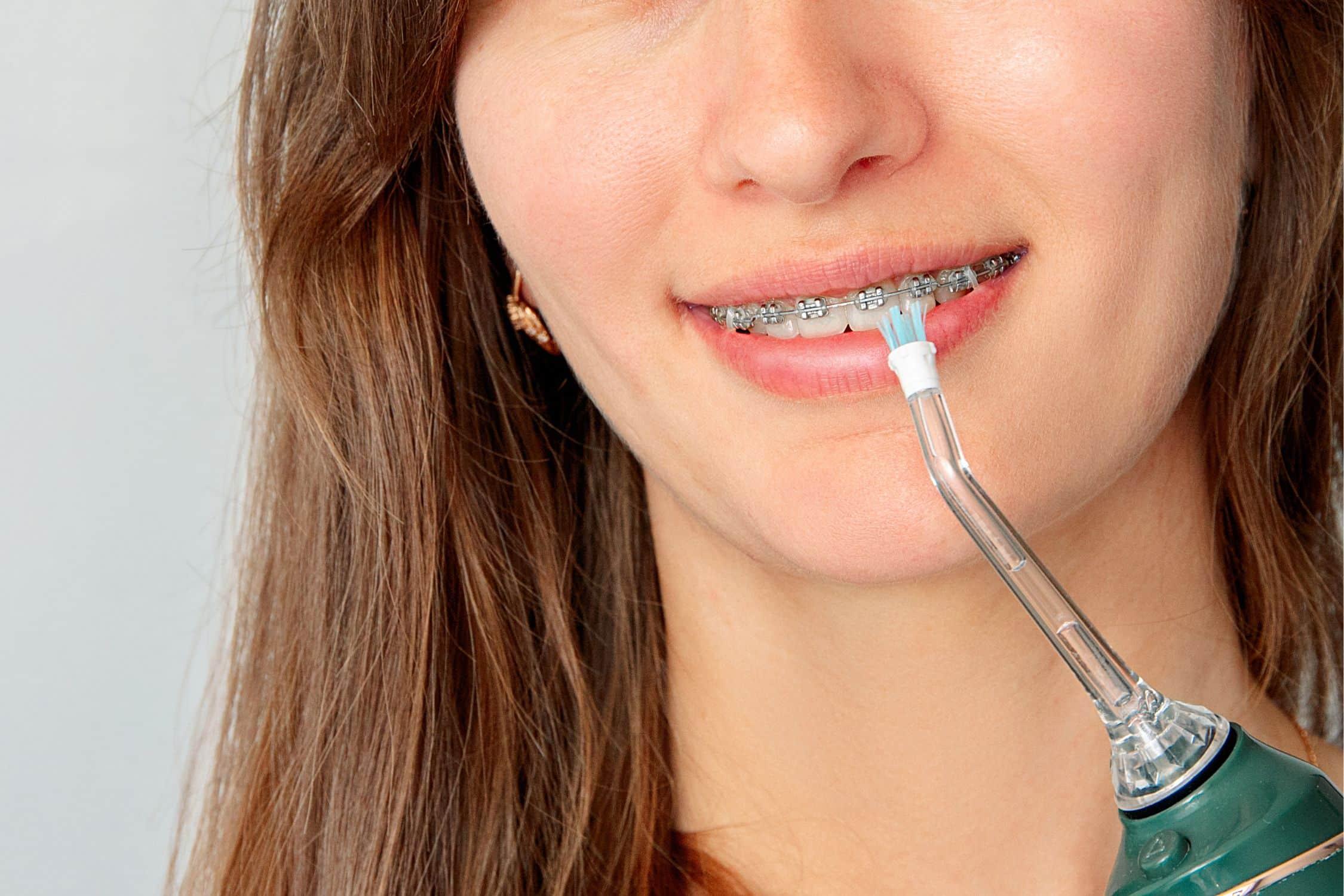
How to care for teeth after braces is one of the most important stages after orthodontic treatment, as the post-braces phase is just as crucial as the treatment itself.
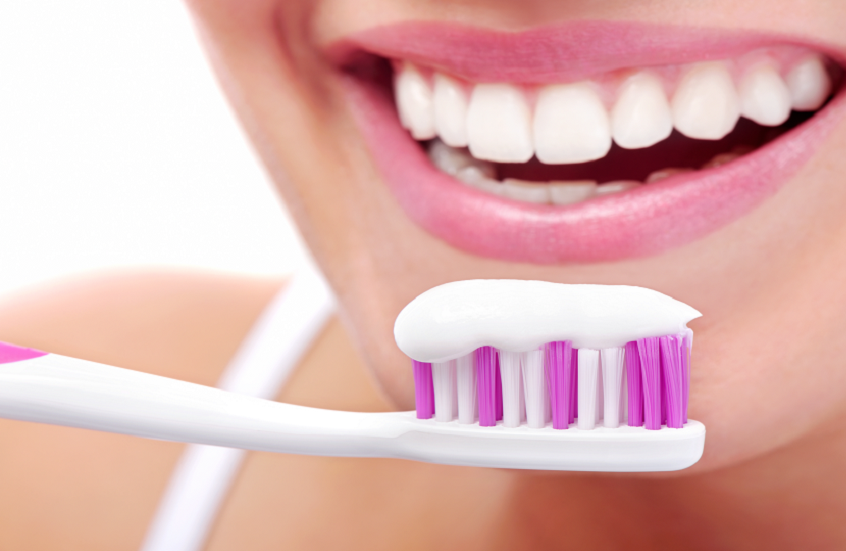
Choosing the best toothpaste by condition is not random, because every oral health problem requires a different type of care. A toothpaste that works for tooth sensitivity may not be the best option for cavities or gum disease.
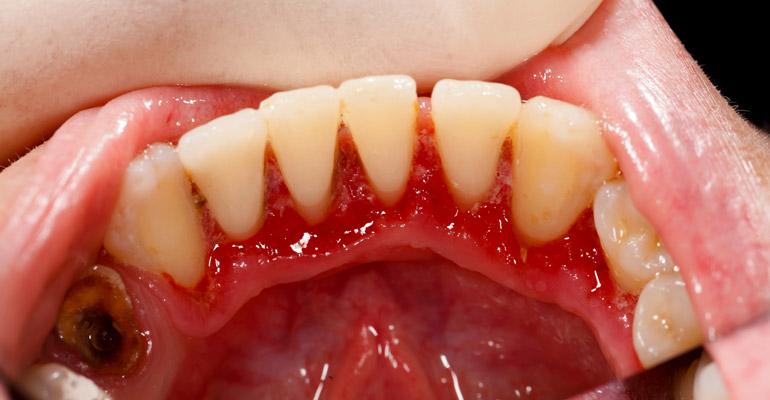
Gum problems and treatment is one of the most common topics in dentistry, as gum disease often starts mildly and progresses silently without obvious pain in the early stages, making many patients unaware until it becomes more advanced.
