
Stroke in Helmeyet El-Zeitoun: Symptoms, Causes and Treatment | Dr. Hatem Anwar Ismail
Contact Information for Dr. Hatem Anwar Ismail
Consultant in Neurology, Psychiatry, and Addiction Treatment.
📞 For inquiries and appointments:
📍 Clinic Address:
41 Ain Shams Street, El-Naam Square, Helmeyet El-Zeitoun.
🕒 Working Hours:
Saturday to Wednesday, from 7:00 PM to 11:00 PM.
Thursday and Friday are off.
What Is a Stroke?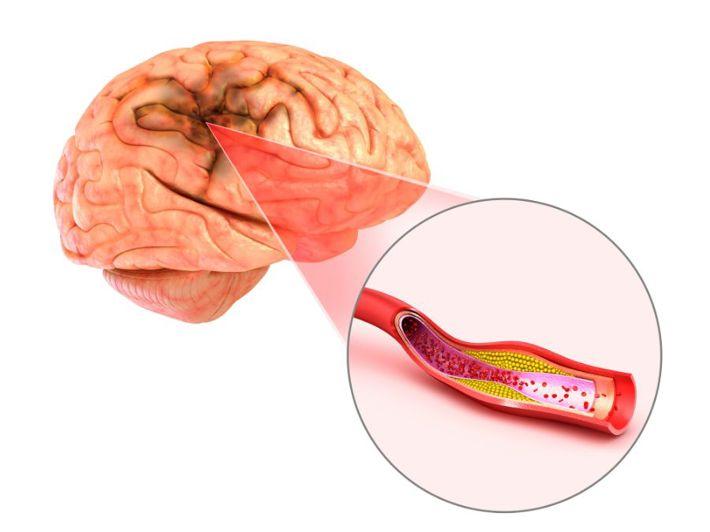
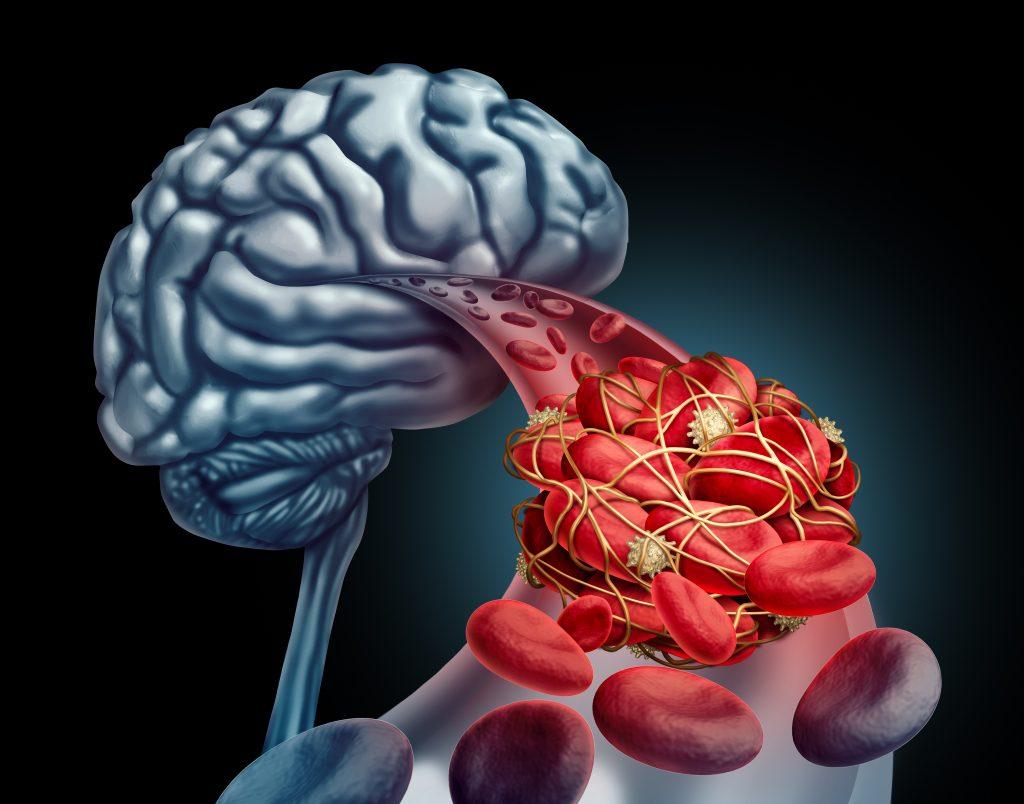
A stroke is a serious medical condition that requires immediate attention. It occurs when blood flow to part of the brain is interrupted or reduced, preventing brain cells from receiving the oxygen and nutrients they need. Therefore, recognizing stroke symptoms and seeking emergency medical care promptly is extremely important.
Many patients search for information about stroke in Helmeyet El-Zeitoun and for a specialized neurologist who can evaluate neurological symptoms, monitor risk factors, and provide follow-up care after a stroke. Common signs of stroke include sudden weakness or numbness in the face, arm, or leg, particularly on one side of the body, as well as speech, vision, walking, or balance problems.
If stroke symptoms appear suddenly, do not wait for them to improve or simply schedule a clinic appointment. Emergency medical care should be sought immediately.
Dr. Hatem Anwar Ismail, Consultant in Neurology, Psychiatry, and Addiction Treatment, provides specialized assessment for neurological conditions and follows patients according to the nature of each condition and their individual medical needs.
Types of Stroke
Stroke can generally be divided into several main types, including:
Ischemic Stroke
An ischemic stroke occurs when a blockage in one of the blood vessels supplying the brain reduces or stops blood flow to part of the brain tissue.
Ischemic stroke is the most common type of stroke.
Hemorrhagic Stroke
A hemorrhagic stroke occurs when a blood vessel in or around the brain ruptures, causing bleeding that can affect brain tissue.
This type of stroke requires urgent medical evaluation.
Transient Ischemic Attack (TIA)
A transient ischemic attack occurs when blood flow to part of the brain is temporarily reduced and then returns to normal.
Although the symptoms may disappear, they should not be ignored because a TIA can be a warning sign of a possible future stroke.
What Are the Symptoms of a Stroke?
Stroke symptoms usually appear suddenly and may vary depending on the area of the brain that is affected.
Common symptoms include:
-
Sudden weakness or numbness in the face.
-
Sudden weakness or numbness in one arm or leg.
-
Weakness on one side of the body.
-
Sudden difficulty speaking.
-
Difficulty understanding speech.
-
Sudden vision problems.
-
Loss of balance.
-
Sudden difficulty walking.
-
Severe and sudden dizziness.
-
A severe and sudden headache, especially if it is unusual for the person.
The sudden appearance of any of these signs should be treated as a medical emergency, and immediate medical assistance should be requested.
How Can You Recognize the Signs of a Stroke?
Some simple checks can help identify possible stroke symptoms:
Face
Ask the person to smile and check whether one side of the face appears to droop or become weak.
Arms
Ask the person to raise both arms and check whether one arm cannot stay raised or begins to fall.
Speech
Ask the person to repeat a simple sentence and check whether their speech is unclear or whether they have difficulty speaking or understanding speech.
Time
When these symptoms appear suddenly, time is extremely important. Emergency medical care should be requested immediately.
What Causes a Stroke?
Several factors can increase the risk of stroke, including:
-
High blood pressure.
-
Diabetes.
-
High cholesterol.
-
Heart disease.
-
Certain heart rhythm disorders.
-
Smoking.
-
Overweight and obesity.
-
Physical inactivity.
-
Older age.
-
A previous history of stroke.
-
A previous transient ischemic attack (TIA).
Having one risk factor does not necessarily mean that a person will have a stroke. However, having several risk factors can increase the likelihood of experiencing one.
How Is a Stroke Diagnosed?
Stroke diagnosis depends on rapid medical assessment, identifying the symptoms, reviewing the patient's medical history, and performing a neurological examination.
The patient may need brain imaging using a CT scan or MRI, depending on the clinical situation.
The medical team may also request additional tests to identify the cause of the stroke and assess the patient's risk factors.
Stroke Treatment
Stroke treatment varies depending on the type of stroke, the time when symptoms began, and the patient's overall health.
In some cases of ischemic stroke, emergency treatments may be available to restore blood flow to the brain if the patient is eligible. The decision depends on the medical team's assessment and the time elapsed since the symptoms began.
Hemorrhagic stroke requires a different treatment approach based on the location and severity of the bleeding and the patient's condition.
For this reason, reaching a hospital quickly when symptoms appear can be extremely important.
Can Stroke Be Prevented?
Some stroke risk factors can be reduced through regular medical follow-up and a healthy lifestyle.
Steps that may help reduce risk factors include:
-
Monitoring blood pressure regularly.
-
Controlling blood sugar levels.
-
Monitoring cholesterol levels.
-
Quitting smoking.
-
Maintaining a healthy weight.
-
Engaging in appropriate physical activity.
-
Following a balanced diet.
-
Taking prescribed medications as directed by the doctor.
People with a high risk of stroke may also require regular medical follow-up according to their individual condition.
What Are the Complications of Stroke?
Stroke complications vary depending on the location and severity of the brain injury and how quickly treatment is received.
Possible complications include:
-
Movement difficulties or weakness.
-
Speech difficulties.
-
Swallowing difficulties.
-
Balance problems.
-
Difficulty concentrating.
-
Memory problems.
-
Vision problems.
-
Certain psychological and emotional changes.
Some patients may require rehabilitation programs after a stroke, such as physical therapy, speech therapy, or occupational rehabilitation.
The Importance of Follow-Up After a Stroke
Medical care continues after the acute phase of a stroke has ended.
Patients may require regular stroke follow-up to monitor their condition, control risk factors, and reduce the possibility of another stroke.
Patients may also need rehabilitation programs to help them regain as much of their physical, speech, or functional abilities as possible.
When Should You See a Neurologist in Helmeyet El-Zeitoun?
Evaluation by a neurologist can be helpful for people who have stroke risk factors or for patients who have already experienced a stroke and need follow-up care and prevention strategies.
However, if sudden symptoms such as weakness on one side of the body, speech difficulties, or loss of balance occur, do not wait for a clinic appointment. Emergency medical care should be requested immediately.
The Importance of Accurate Diagnosis and Medical Follow-Up
Stroke requires accurate diagnosis to determine the type and cause of the condition and to establish an appropriate treatment and follow-up plan.
Dr. Hatem Anwar Ismail provides specialized neurological assessment, reviewing symptoms, medical history, and test results to develop a follow-up plan appropriate for each patient's condition.
Book Your Appointment With Dr. Hatem Anwar Ismail in Helmeyet El-Zeitoun
If you are looking for a neurologist in Helmeyet El-Zeitoun to evaluate neurological symptoms, monitor stroke risk factors, or provide follow-up after a stroke, you can contact:
Dr. Hatem Anwar Ismail
Consultant in Neurology, Psychiatry, and Addiction Treatment.
📍 41 Ain Shams Street, El-Naam Square, Helmeyet El-Zeitoun
🕒 Working Hours:
Saturday to Wednesday, from 7:00 PM to 11:00 PM.
Medical Alert: If stroke symptoms appear suddenly, emergency medical care should be requested immediately. Do not wait to schedule a clinic appointment.