





Dr. Hatem Anwar Ismail

Dr. Hatem Anwar Ismail

Verified account

Consultant in Neurology, Psychiatry

Psychiatrists Cairo, Helmeyet El-Zaitoun 5 (10 Reviews)
Egypt's #1 Verified Directory Verified Information
Contact
Available Now
Book Appointment / Phone Whatsapp
Address

41 Ain Shams Street Al-Naam Square Helmeyat El-Zaytoun, Helmeyet El-Zaitoun, Cairo

Follow Us
Overview

Consultant in Neurology, Psychiatry, and Addiction Treatment, providing specialized medical care based on the latest treatment protocols to help patients recover and reclaim their psychological and social lives in a safe and confidential therapeutic environment. For inquiries and booking appointments 01008222199

Description
🧠 Consultant Psychiatrist, Addiction Treatment, and Neurologist

Dr. Hatem Anwar Ismail

Consultant in Neurology, Psychiatry, and Addiction Treatment, providing specialized medical care based on the latest treatment protocols to help patients recover and reclaim their psychological and social lives in a safe and confidential therapeutic environment.

For inquiries and booking appointments 01008222199

🧠 Addiction Treatment 💙 Psychiatry ⚡ Neurology 🩺 Dual Diagnosis 👨‍👩‍👧 Family Support 🔄 Relapse Prevention
📱 01282511682
📍 Helmeyat El-Zaytoun - Al-Naam Square
🕒 7:00 PM : 11:00 PM

Who is Dr. Hatem Ismail?

Dr. Hatem Anwar Ismail is one of the leading specialists in addiction treatment, psychiatry, and neurology. He possesses extensive experience in diagnosing and treating various psychological and behavioral disorders using the latest approved scientific methods. The doctor relies on an integrated treatment plan that begins with an accurate diagnosis of the condition, followed by a customized treatment program tailored to each patient's needs. He emphasizes psychological and behavioral rehabilitation to ensure true recovery and minimize the chances of relapse. Furthermore, he is dedicated to providing a safe therapeutic environment that respects patient privacy, while involving the family in the different stages of treatment due to their essential role in the success of the recovery journey.

🎓 Qualifications

Consultant in Neurology, Psychiatry, and Addiction Treatment.

🏥 Experience

Experience in treating addiction disorders, dual diagnosis, psychiatric and neurological illnesses, and designing integrated treatment and rehabilitation programs.

🎯 Mission

Providing comprehensive medical and psychological treatment that helps patients reclaim their normal lives and achieve sustainable recovery.

Services of Dr. Hatem Anwar Ismail

Dr. Hatem Anwar Ismail provides a comprehensive range of psychiatry, addiction treatment, and neurology services in accordance with the latest therapeutic protocols, while maintaining complete confidentiality and privacy for all patients.

💊

Drug Addiction Treatment

Diagnosing the condition and designing an integrated treatment program that includes detoxification along with psychological and behavioral rehabilitation to achieve full recovery.

💉

Tramadol Addiction Treatment

Specialized treatment programs to overcome Tramadol dependency, manage withdrawal symptoms, and prevent relapse.

🧠

Psychiatry

Diagnosing and treating depression, anxiety, OCD, panic attacks, personality disorders, and other mental health conditions.

⚡

Neurology & Brain Diseases

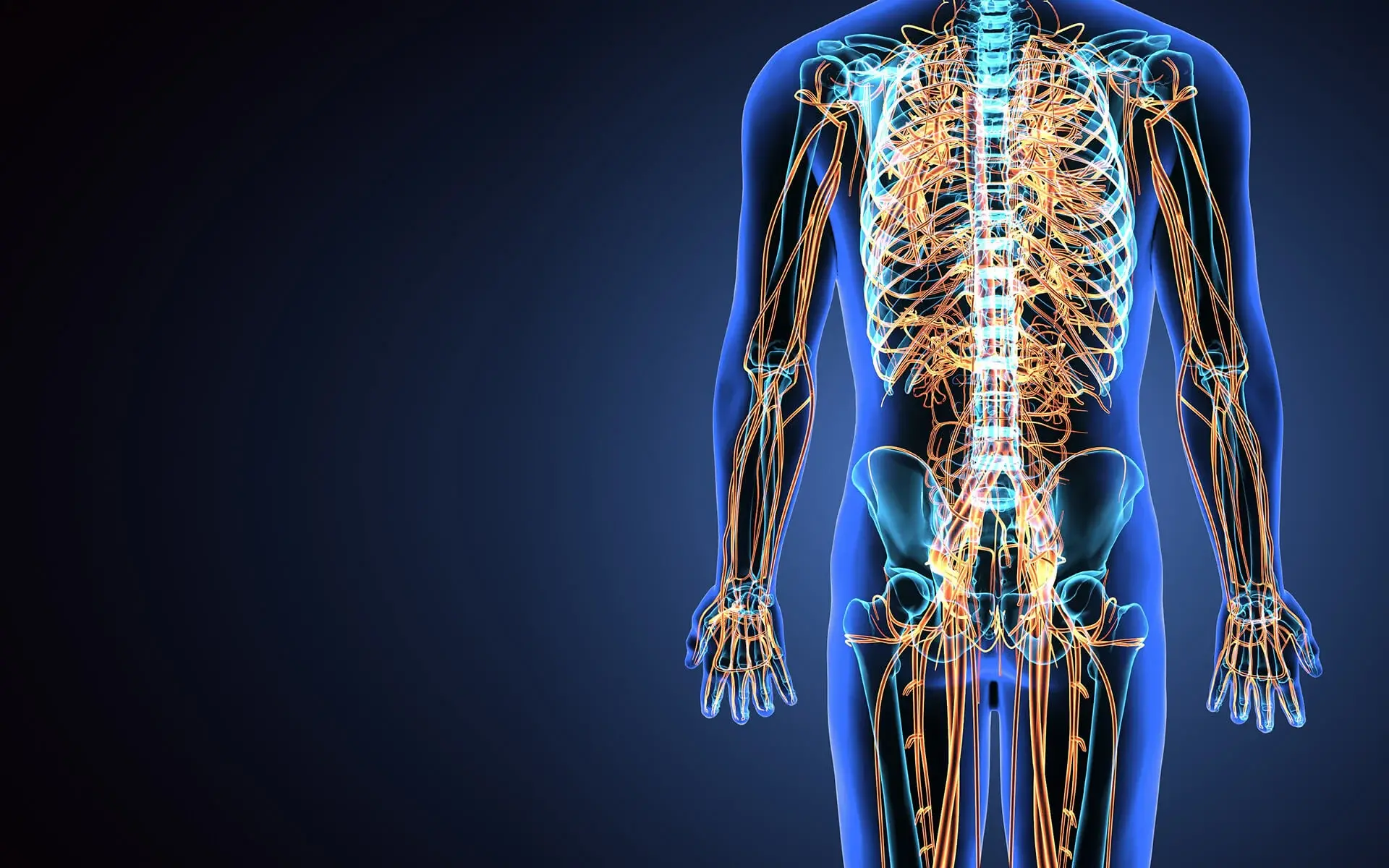
Diagnosing and treating various neurological disorders using state-of-the-art diagnostic and treatment tools.

🏥

Detoxification

Close medical supervision during the detox phase to manage withdrawal symptoms safely and achieve health stability.

🔄

Relapse Treatment

Developing treatment plans that help patients identify the triggers of relapse, avoid them, and complete their recovery journey.

🫂

Dual Diagnosis

Treating patients suffering from addiction concurrent with mental disorders such as schizophrenia, depression, and bipolar disorder.

👨‍👩‍👧

Family Counseling

Guiding the family on how to properly interact with the patient and support the treatment process, contributing to a successful recovery.

💬

Psychological Consultations

Individual assessment and consultation sessions aimed at improving mental health and coping with life stressors.

📋

Psychological Evaluation

Conducting a comprehensive assessment of psychological and behavioral states to reach an accurate diagnosis and tailor the appropriate treatment plan.

❤️

Depression & Anxiety Treatment

Treatment programs based on pharmacotherapy and Cognitive Behavioral Therapy (CBT) to achieve the best outcomes.

🌱

Psychological & Behavioral Rehab

Rehabilitating the patient psychologically and behaviorally to enable them to return to their normal life with confidence and stability.

🧠 Important Medical Information About Addiction

Addiction is a treatable disease, and the earlier it is detected, the greater the chances of recovery. Dr. Hatem Anwar Ismail provides medical information to help patients and their families understand the nature of addiction and the best ways to deal with it.

💊 What is Addiction?

Addiction is a chronic disorder that affects the brain and behavior, rendering an individual unable to stop using a substance despite knowing the health, psychological, and social harms it causes.

⚠ Causes of Addiction

  • Genetic factors.
  • Psychological disorders.
  • Family and social pressures.
  • Desire to experiment.
  • Bad companions.
  • Easy accessibility to drugs.

👁 Signs of Addiction

  • Isolation and withdrawal from family.
  • Sleep disturbances.
  • Frequent lying.
  • Nervousness and irritability.
  • Neglecting personal appearance.
  • Loss of appetite and weight loss.
  • Disappearance of money or valuables.

🧠 Impact of Addiction on the Brain

Substances affect the brain's reward centers and disrupt dopamine secretion, leading to depression, anxiety, violence, poor concentration, and cognitive and behavioral disorders.

💉 Does Tramadol Improve Sexual Performance?

One of the most common misconceptions. While Tramadol may provide a temporary effect, its prolonged use leads to erectile dysfunction, premature ejaculation, loss of libido, and may cause infertility in some cases.

🌿 Is Cannabis Safe?

Cannabis is not a safe substance as some believe; it can increase the likelihood of developing psychotic disorders and schizophrenia, particularly in individuals with a genetic predisposition.

🏥 Stages of Addiction Treatment

  1. Assessment and diagnosis.
  2. Medical testing.
  3. Detoxification.
  4. Psychotherapy.
  5. Behavioral rehabilitation.
  6. Follow-up to prevent relapse.

🔄 Does Relapse Mean Treatment Failure?

Relapse can occur in some patients, but it does not mean treatment failure. Instead, it requires assessing the causes and adjusting the treatment plan to prevent recurrence and achieve sustainable recovery.

👨‍👩‍👧 The Role of the Family

The family is an essential component of the recovery journey. Psychological support and avoiding blame or punishment help increase the chances of treatment success and sustained recovery.

🫂 Dual Diagnosis

Some patients may suffer from addiction along with a mental health disorder such as depression, schizophrenia, or bipolar disorder. This requires treating both conditions simultaneously to achieve the best results.

💙 A Message from Dr. Hatem Anwar Ismail

Addiction is neither a weakness of will nor a moral failure; it is a disease that requires correct diagnosis and integrated medical and psychological treatment. The earlier treatment begins, the higher the chances of recovery and returning to a normal, stable life. Do not hesitate to seek help, for the start of treatment is the start of a new life.

Why Choose Dr. Hatem Anwar Ismail?

Specialized Medical Care... And a Treatment Plan Tailored for Each Patient

Dr. Hatem Anwar Ismail relies on the latest scientific methods to diagnose and treat mental illness and addiction, prioritizing the human aspect of patient care and providing comprehensive support to aid in recovery and the reclamation of normal life.

🩺

Expertise in Addiction and Psychiatry

Proven experience in diagnosing and treating diverse cases of addiction and psychological disorders using the latest clinical protocols.

📋

Accurate Assessment & Diagnosis

A complete assessment of physical and mental health prior to beginning treatment ensures the selection of the most suitable pathway for each individual.

🧠

Integrated Psychological & Behavioral Treatment

Treatment goes beyond medication to encompass behavioral and cognitive rehabilitation, significantly lowering the risks of relapse and promoting long-term recovery.

👨‍👩‍👧

Family Involvement in Treatment

Educating family members on how to appropriately interact with and support the patient throughout their recovery journey for optimal success.

🔒

Complete Confidentiality & Privacy

Ensuring patient records remain strictly confidential and honoring their right to privacy at every stage of diagnosis and treatment.

📈

Continuous Aftercare & Follow-Up

Regular follow-up programs to help maintain sobriety and minimize the risk of relapse.

Our Vision

To ensure that every patient receives a genuine opportunity for recovery in a safe therapeutic environment built on scientific evidence, clinical expertise, and absolute respect for patient privacy, delivering integrated medical and psychological care that empowers them to return to their normal lives with confidence and stability.

Our Goals

✔ Delivering Accurate Diagnosis

Reaching the correct diagnosis is the foundational step in building a successful treatment plan.

✔ Integrated Treatment

Combining pharmacological intervention, psychotherapy, and behavioral rehabilitation to yield the best results.

✔ Relapse Prevention

Providing follow-up and support programs that empower patients to maintain their sobriety.

✔ Improving Quality of Life

Supporting patients in transitioning back into their family, social, and professional lives naturally.

Contact Us

Book Your Appointment with Dr. Hatem Anwar Ismail

If you suffer from addiction, psychiatric disorders, or neurological diseases, do not hesitate to contact us to book an appointment and obtain an accurate medical assessment and a treatment plan tailored to your condition.

📞

Phone

01282511682

Call Now
💬

WhatsApp

For inquiries and bookings

Message us on WhatsApp
🕒

Working Hours

Saturday to Wednesday

7:00 PM - 11:00 PM

Thursday and Friday Off

📍

Clinic Address

41 Ain Shams Street
Al-Naam Square
Helmeyat El-Zaytoun

View Location

Begin Your Recovery Journey Today

Recovery starts with a single step. If you or a loved one needs help, Dr. Hatem Anwar Ismail offers specialized medical care in addiction treatment and psychiatry in a safe and completely confidential environment.

Frequently Asked Questions (FAQ)

Are all treatment sessions confidential?

Yes, all patient records and therapy sessions are handled with absolute confidentiality and privacy.

Can addiction be treated without hospitalization (inpatient stay)?

This varies depending on the type of substance and the patient's physical state. The treatment pathway is determined following assessment and diagnosis.

Does relapse indicate treatment failure?

No, relapse can occur in some cases and can be managed by re-evaluating the treatment plan and resuming the recovery program.

How can I book an appointment?

Booking can be made by calling 01008222199 or contacting us via WhatsApp.

Therapeutic Specialties

Conditions Treated by Dr. Hatem Anwar Ismail

Dr. Hatem Anwar Ismail provides specialized medical care for treating various psychiatric disorders, neurological diseases, and cases of addiction, designing a customized treatment plan for each patient in line with the latest medical standards.

💊 Tramadol Addiction

Treating Tramadol dependency and managing withdrawal symptoms safely.

🌿 Cannabis & Banjo Addiction

Treatment programs to aid recovery and restore mental and behavioral function.

💉 Heroin & Drug Addiction

Diagnosing and treating various types of addiction under modern protocols.

⚡ Shabu & Stimulant Addiction

Dealing with the psychological and neurological effects of stimulants.

😔 Depression

Diagnosing and treating all levels of depression to improve quality of life.

😰 Anxiety Disorders

Treating generalized anxiety, panic attacks, and social anxiety.

🧠 Obsessive-Compulsive Disorder (OCD)

Pharmacological and behavioral treatment for OCD to improve control over compulsive thoughts.

🌙 Sleep Disorders

Diagnosing the causes of insomnia and sleep disorders and establishing an appropriate treatment plan.

🫂 Dual Diagnosis

Treating addiction concurrent with mental disorders such as schizophrenia or depression.

🧩 Schizophrenia & Psychotic Disorders

Diagnosing, monitoring, and treating psychotic disorders according to the latest clinical protocols.

😊 Bipolar Disorder

Regular monitoring and treatment management to reduce manic and depressive episodes.

⚕️ Neurology & Brain Diseases

Diagnosing and monitoring various neurological conditions and nervous system disorders.

Treatment Steps in the Clinic

1️⃣

Consultation & Assessment

Listening to patient concerns and conducting a comprehensive evaluation.

2️⃣

Diagnosis

Establishing the diagnosis and designing a tailored treatment plan for each patient.

3️⃣

Initiating Treatment

Providing pharmacotherapy, psychotherapy, and behavioral therapy based on modern medical guidelines.

4️⃣

Continuous Follow-Up

Periodic monitoring to ensure condition stability and minimize the risk of relapse.

Contact Us

Book Your Appointment with Dr. Hatem Ismail

If you are looking for a specialized consultant in addiction treatment, psychiatry, and neurology, you can contact Dr. Hatem Ismail now to book an appointment or inquire about medical services, and we will be happy to assist you.

📞

Phone Number

01282511682

💬

WhatsApp

For bookings and inquiries

Message Us Now
📍

Clinic Address

41 Ain Shams Street
Al-Naam Square
Helmeyat El-Zaytoun

View Location
🕒

Working Hours

Saturday to Wednesday

7:00 PM – 11:00 PM

Thursday and Friday Off

Begin Your Recovery Journey Today

Recovery starts with a single step. If you or a family member needs help, do not hesitate to contact Dr. Hatem Anwar Ismail to obtain an accurate diagnosis and an integrated treatment plan in a safe and completely confidential environment.

📞 Call Now 💬 Book via WhatsApp

News & Articles

Aug 11
الوسواس القهري: الأعراض والعلاج في عين شمس

Obsessive-Compulsive Disorder (OCD) can cause recurring unwanted thoughts and repetitive compulsive behaviors that interfere with daily life. Learn about OCD symptoms, causes, diagnosis and treatment with Dr. Hatem Anwar Ismail, Consultant of Neurology, Psychiatry and Addiction Treatment.

Aug 11
تخطيط كهرباء المخ في حلميه الزيتون والصرع

EEG testing in Ain Shams may help neurologists evaluate brain electrical activity in patients with suspected epilepsy, seizures or unexplained loss of consciousness. Learn about EEG testing, its role in epilepsy assessment and when a patient may need the test.

Aug 11
السكتة الدماغية في حلمية الزيتون

Stroke in Helmeyet El-Zeitoun requires urgent medical attention when sudden symptoms appear, including weakness or numbness on one side of the body, speech or vision problems and loss of balance. Learn about stroke symptoms, causes, diagnosis, treatment and follow-up with Dr. Hatem Anwar Ismail.

Aug 11
التهاب الأعصاب في حلمية الزيتون

Neuropathy in Helmeyet El-Zeitoun may cause nerve pain, numbness, tingling, burning sensations and weakness. Learn about neuropathy symptoms, causes, diagnosis, testing and treatment, and when to see a neurologist with Dr. Hatem Anwar Ismail.

Aug 18
الفرق بين الجيل الأول والجيل الجديد من الأدوية النفسية

Learn about the differences between first-generation and newer psychiatric medications, including their mechanisms of action, side effects, treatment response, and how doctors select the appropriate medication.

Aug 23
العلاقة بين الأمراض النفسية والعضوية

Learn about the connection between mental and physical illnesses, the effects of stress on the body, and the importance of comprehensive assessment with Dr. Hatem Anwar Ismail.

Aug 23
الأمراض النفسية والعضوية

Dr. Hatem Anwar Ismail Clinic explains the connection between mental and physical illnesses, including how psychological conditions may affect the body and how physical illnesses can influence mental well-being, with assessment based on each patient's symptoms and medical history.

Sep 03
الفرق بين القلق والاكتئاب وأعراضهما

Learn about the difference between anxiety and depression, the main symptoms that distinguish each condition, and when you should consult a doctor for proper evaluation and treatment.

Sep 08
كيف يمكن أن تؤثر الحالة النفسية على الجسم

Learn about the connection between mental and physical diseases, how psychological health can affect the body and vice versa, and the importance of integrated medical evaluation with Dr. Hatem Anwar Ismail, a consultant specializing in psychiatry, addiction treatment, and brain and neurological diseases.

Sep 19
وصمة العلاج النفسي

Mental health treatment stigma may make some people hesitate to seek professional support because of fear of judgment or misconceptions about psychological treatment. This article explains what mental health treatment stigma means, why it happens, how it can affect a person, and how to overcome it while seeking appropriate support from Dr. Hatem Anwar Ismail Clinic in Helmeyat El-Zeitoun.

Sep 19
الشيخوخة وتأثيرها على الصحة النفسية والعقلية

Aging is a natural stage of life, but changes in memory, mood, behavior, or cognitive function may sometimes require medical evaluation. Learn about aging and mental and cognitive health with Dr. Hatem Anwar Ismail.

FAQ

FAQ

Comprehensive and direct answers to the most frequently asked questions about available services and specialties.

Egypt's #1 Verified Directory

Dr. Hatem Anwar Ismail is a consultant in neurology, psychiatry, and addiction treatment. He provides specialized services for diagnosing and treating psychiatric disorders, addiction cases, and neurological conditions, with individualized treatment plans that combine medication, psychological and behavioral therapy, and continuous follow-up.

The doctor provides a range of specialized services, including:

  • Drug addiction treatment.
  • Tramadol addiction treatment.
  • Relapse treatment.
  • Medically supervised detoxification.
  • Treatment of depression and anxiety.
  • Treatment of obsessive-compulsive disorder (OCD) and panic attacks.
  • Treatment of psychiatric disorders.
  • Dual diagnosis treatment.
  • Psychological and behavioral rehabilitation.
  • Family counseling and psychological consultations.
  • Diagnosis and treatment of neurological disorders.


Addiction treatment begins with a thorough assessment and accurate diagnosis, followed by developing an appropriate treatment plan based on the type of substance used and the patient’s physical and psychological condition. The treatment plan may include medically supervised detoxification, psychological and behavioral therapy, rehabilitation, and continuous follow-up to reduce the risk of relapse.

Yes, tramadol dependence can be treated through a specialized medical program tailored to the patient’s condition and level of dependence on the substance. Treatment may include managing withdrawal symptoms, psychological and behavioral support, and medical follow-up, while avoiding sudden discontinuation without medical supervision when physical dependence is present.

Dual diagnosis refers to the presence of an addiction disorder alongside a mental health disorder, such as depression, certain psychotic disorders, or bipolar disorder. These cases require a comprehensive assessment and treatment of both conditions together to achieve better outcomes and reduce the risk of relapse.

Dr. Hatem provides diagnostic and treatment services for a range of mental health disorders, including depression, anxiety, obsessive-compulsive disorder (OCD), panic attacks, and personality disorders. The appropriate treatment is determined based on the nature and severity of the symptoms and the patient’s individual needs.

No, relapse does not necessarily mean that addiction treatment has failed. It may occur in some patients during the recovery journey. In such cases, the patient needs to assess the reasons behind the relapse, review the treatment plan, and develop steps that support continued recovery and reduce the likelihood of recurrence.

The family plays an important role in supporting the patient throughout the treatment journey, particularly by providing emotional support, avoiding blame and violence, understanding the nature of the condition, and following the doctor’s recommendations. Family counseling can also help family members interact with the patient more effectively.

The clinic is located at:

41 Ain Shams Street – El-Na'am Square – Helmeyat El-Zeitoun.

The clinic receives patients from Saturday to Wednesday, from 7 PM to 11 PM, with Thursdays and Fridays off.

For appointments and inquiries, please contact: 01282511682.

Medical help should be sought when there are persistent changes in mood or behavior, severe anxiety or depression, sleep disturbances, panic attacks, substance dependence, difficulty stopping substance use, or repeated relapses. Early assessment is also recommended, as proper diagnosis and treatment can help improve the condition and support a return to a more stable life.

Symptoms:

1. Recurrent distressing and obsessive thoughts, such as fear of contamination or making mistakes, leading to constant feelings of anger or anxiety.

2. Compulsive behaviors manifested in repetitive actions, such as excessive hand washing or repeatedly checking things like doors or appliances.

Causes:

1. Genetic Factors: Individuals with a family history of obsessive-compulsive disorder (OCD) may be more prone to developing the condition.

2. Chemical Imbalances in the Brain: A deficiency in serotonin levels in the brain is linked to the development of OCD.

3. Environmental Factors: Life stressors or ongoing tension may contribute to the onset of symptoms.

Treatment:

1. Cognitive Behavioral Therapy (CBT): This is the most effective treatment for OCD, helping patients identify and cope with distressing thoughts in a constructive manner.

2. Medications: Selective Serotonin Reuptake Inhibitors (SSRIs) are used to reduce symptoms, and dosage adjustments may be needed based on the patient’s response.

Does it last a lifetime?

OCD can persist throughout life if not treated properly. However, effective treatment can significantly help individuals manage symptoms and improve their quality of life, making the symptoms more manageable.

 

1. Listening to them: It's important to listen to their feelings without judgment or criticism.

2. Encouraging expression: Help them express their feelings and anxiety in a healthy way.

3. Teaching relaxation techniques: Such as deep breathing exercises or relaxation practices to calm them down.

4. Encouraging social activities: Interacting with friends or family can help improve their mood.

5. Psychotherapy: Such as Cognitive Behavioral Therapy (CBT), which helps them deal with anxiety more effectively.

6. Focusing on physical health: Exercise, getting enough sleep, and eating healthy foods all contribute to improving their mental well-being.

If the anxiety persists or has a significant impact, it’s advisable to consult a specialized mental health professional.

Obsessive-Compulsive Disorder (OCD) is a mental disorder that may persist for extended periods, but it does not necessarily remain as severe throughout life. Symptoms can vary in intensity over time, influenced by factors such as lifestyle changes, stress, and the treatment provided.

What to know:

Treatment can help significantly:

Psychotherapy: Cognitive Behavioral Therapy (CBT), especially the Exposure and Response Prevention (ERP) technique, is highly effective in reducing symptoms.

Medications: Selective Serotonin Reuptake Inhibitors (SSRIs) can alleviate symptoms.

Full recovery is possible:

Some individuals fully recover with appropriate treatment, while others may require long-term follow-up to manage symptoms.

Factors influencing the persistence of symptoms:

Patient's adherence to treatment.

Psychological and social support.

Presence of environmental stressors.

Role of prevention and follow-up:

Minimize excessive stress as much as possible.

Adhere to psychotherapy or medication even when feeling better.

Practice relaxation techniques and meditation.

Conclusion: OCD may last for life if not properly managed, but with proper care, it can be controlled, significantly reducing its impact on a person's life.

Behavior modification sessions for teenagers are therapeutic sessions designed to improve their behaviors by teaching them healthier and more positive responses to the situations they face. These sessions help in dealing with negative behaviors like excessive anger, aggression, poor focus, or social and psychological problems.

How Behavior Modification Sessions Work:

  1. Assessment: The first step is to assess the teenager's behaviors and identify the behaviors that need to be changed.
  2. Training: The teenager learns new techniques to manage their behaviors, such as identifying emotions and dealing with them in a healthy way.
  3. Rewards and Punishments: A reward system is used to reinforce positive behaviors, and mild punishments are implemented to reduce negative behaviors.

Goals:

1. Strengthen positive behaviors.

2. Improve social and communication skills.

3. Reduce destructive or negative behaviors.

Conclusion: Behavior modification sessions are an effective tool to help teenagers modify their behaviors and cope better with daily challenges

1. Identify unwanted behaviors: Such as anger, stubbornness, laziness, or aggressive behavior.

2. Encourage positive behaviors: Like following rules, improving communication skills, and boosting self-confidence.

3. Teach new skills: Such as anger management, problem-solving, and time management.

4. Improve social relationships: With family, friends, and teachers.

  1. Initial Assessment:
    An interview is conducted to understand the adolescent's behavior, their problems, and the surrounding influencing factors (such as family environment, school, and friends).

  2. Creating an Individualized Plan:
    A personalized treatment plan is designed based on the adolescent's needs.

  3. Implementing Behavior Modification Techniques:

    • Positive Reinforcement: Rewarding good behaviors to increase their frequency.
    • Negative Reinforcement: Removing factors that disturb the adolescent when they behave positively.
    • Planned Punishment: Using moderate consequences to reduce undesirable behaviors.
    • Planned Ignoring: Ignoring minor undesirable behaviors to reduce their impact.
    • Social Skills Training: Teaching the adolescent how to interact with others in healthy ways.


1. Excessive anger or irritability: If the teenager acts overly angry or irritated in normal situations.

2. Poor academic performance due to behavioral issues: If there are problems at school because of their behavior.

3. Difficulty interacting with others or making friends: If the teenager struggles with interacting with peers or forming healthy relationships.

4. Aggressive or destructive behaviors: If they engage in aggressive or harmful actions towards themselves or others.

5. Social withdrawal or avoiding responsibilities: If they prefer isolation or avoid their responsibilities at home or school.

6. Issues with home or school rules: If they have trouble respecting rules at home or at school.

These sessions help the teenager improve their behavior and better handle these issues

Personality Disorders are classified into three main groups according to the Diagnostic and Statistical Manual of Mental Disorders (DSM-5):

1. Group (A): Odd or Eccentric Disorders

Paranoid Personality Disorder: Persistent suspicion of others' intentions.

Schizoid Personality Disorder: Social isolation and lack of emotional expression.

Schizotypal Personality Disorder: Odd behaviors and beliefs.

2. Group (B): Dramatic or Emotional Disorders

Borderline Personality Disorder: Intense emotional fluctuations and unstable relationships.

Narcissistic Personality Disorder: Exaggerated sense of self-importance.

Histrionic Personality Disorder: Excessive behavior to gain attention.

Antisocial Personality Disorder: Disregard for others' rights and aggressive behavior.

3. Group (C): Anxiety and Fear-Based Disorders

Avoidant Personality Disorder: Fear of rejection and avoidance of relationships.

Dependent Personality Disorder: Excessive dependence on others.

Obsessive-Compulsive Personality Disorder: Excessive preoccupation with details and perfectionism


1. Genetic Factors:

Some studies suggest that personality disorders can be inherited. If a family member suffers from a specific personality disorder, there may be a higher likelihood of it occurring in subsequent generations. These genetic factors could involve genes that affect thinking patterns, social interaction, and response to various situations.

2. Environmental Factors:

Childhood Trauma: Exposure to trauma, such as violence, neglect, or the loss of a parent, can contribute to the development of personality disorders. Children who experience these traumas may develop unhealthy ways of managing their emotions and relationships in the future.

Abuse: Poor treatment at home, such as bullying or harsh treatment, can significantly impact a person's psychological development and make them more prone to developing personality disorders later in life.

3. Psychological Factors:

Unhealthy Attachment Patterns: Children raised in environments lacking emotional security and effective communication with their parents or caregivers may develop attachment issues. This type of attachment can lead to feelings of mistrust or social anxiety later in life, contributing to the emergence of personality disorders.

Search Directory