
Doctorate of Geriatrics
Medical 11 Directory

⭐Dr. Heba Mohamed Ezz El Arab Senior Consultant PhD in Geriatrics and Gerontology Faculty of... Read More: Dr. Heba Mohamed Ezz El Arab
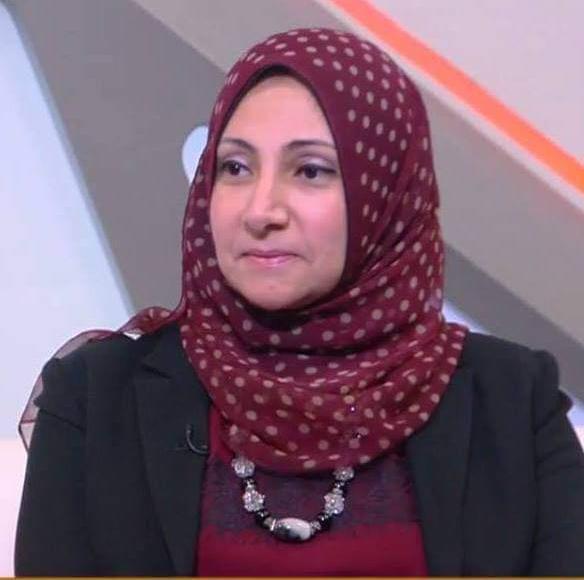
Professor of Geriatrics
Professor Dr. Walaa Wesam AliJob Title: Professor of GeriatricsDirector of the Geriatric Hospital - Faculty of Medicine,... Read More: Dr. Walaa Wesam Ali
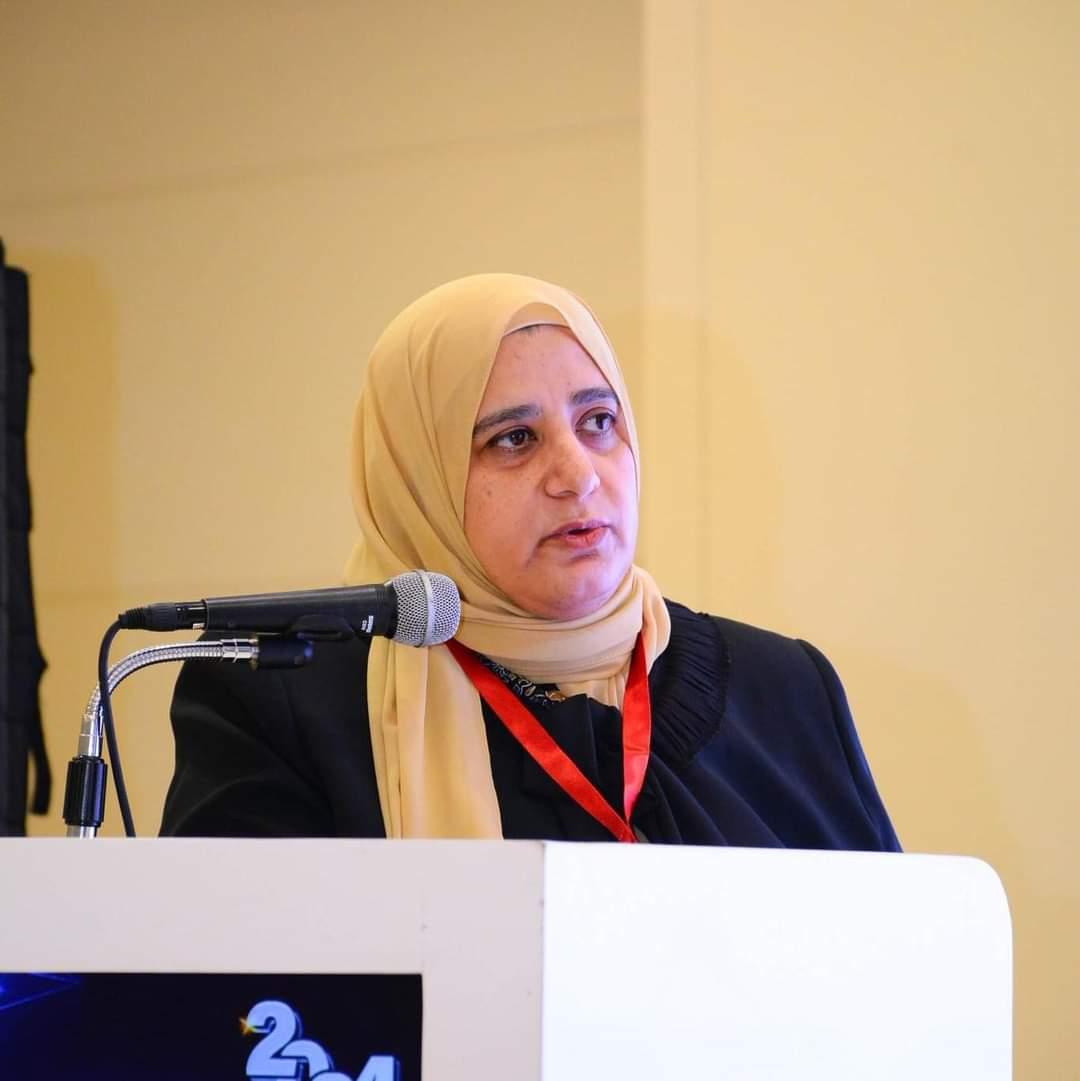
Consultant in Geriatrics
Professor Dr. Samia Ahmed Abdel Rahman Position: Consultant in Geriatrics Academic Qualifications: Professor at the Faculty of Medicine - Ain... Read More: Dr. Samia Ahmed Abdel Rahman

Consultant in Geriatrics and Internal Medicine
Dr. Eman HassanConsultant in Geriatrics and Internal Medicine About the Doctor Dr. Eman Hassan is a consultant in... Read More: Dr. Eman Hassan

Consultant of Geriatric Medicine and Gerontology
Dr. Nesma Ashraf University Lecturer Consultant of Geriatric Medicine and Gerontology About the Doctor Dr. Nesma Ashraf is... Read More: Dr. Nesma Ashraf

Consultant in Geriatric Medicine
Dr. Mohamed Shawky KhaterGeriatrics Consultant About Dr. Mohamed Shawky Khater: Dr. Mohamed Shawky Khater is a leading geriatrics... Read More: Dr. Mohamed Shawky Khater

Geriatric Medicine Specialist
Dr. Mohamed Ahmed El-Saadany Geriatric Medicine Specialist About Dr. Mohamed Ahmed El-Saadany: Dr. Mohamed Ahmed El-Saadany is a distinguished... Read More: Dr. Mohamed Ahmed El-Saadany
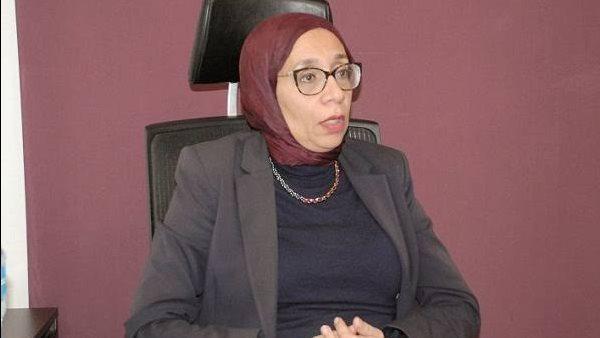
Consultant in Geriatric Medicine
Dr. Hala Sweid Consultant in Geriatric Medicine About Dr. Hala Sweid: Dr. Hala Sweid is one of the leading... Read More: Dr. Hala Sweid
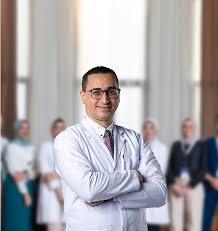
Geriatric Medicine Specialist
Dr. Ahmed Adel Geriatric Medicine Specialist About Dr. Ahmed Adel: Dr. Ahmed Adel is a prominent specialist in the... Read More: Dr. Ahmed Adel
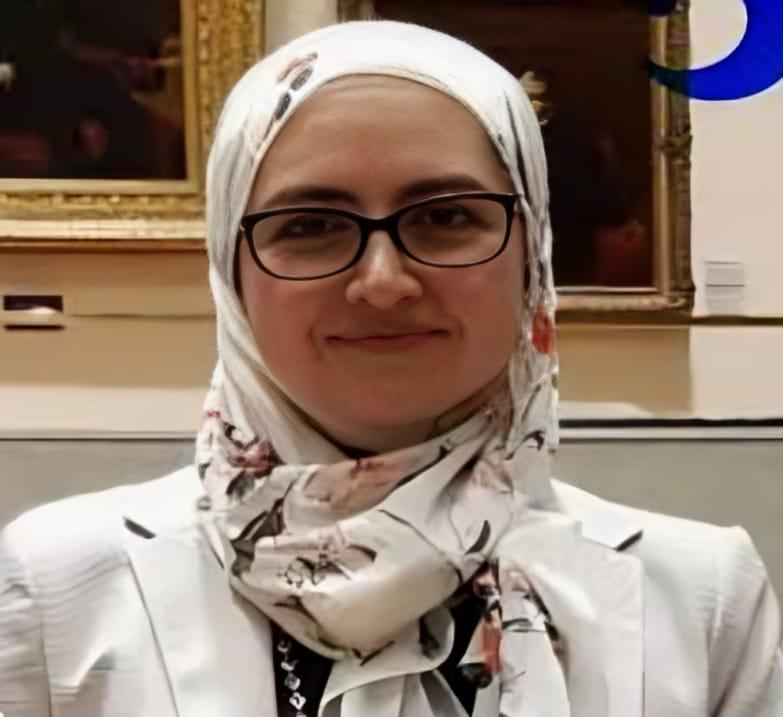
Consultant in Geriatrics
👩⚕️ Dr. Heba Gamal Saber 🎓 Specialization: Consultant in Geriatrics 🏫 Qualifications: Consultant in Geriatrics at Ain Shams... Read More: Dr. Heba Gamal Saber

Consultant of Internal Medicine and Geriatrics Lecturer of General Internal...
🩺 Dr. Iman Hassan Consultant of Internal Medicine and Geriatrics Lecturer of General Internal Medicine and Geriatrics at... Read More: Dr. Iman Hassan
Best Geriatric Doctors in Egypt | Book Now Easily
Are you looking for the best geriatric doctor specializing in elderly care in Egypt? 👴👵
We provide you with a comprehensive guide to the top specialists and consultants in:
Chronic diseases in the elderly, Alzheimer's and dementia, osteoporosis, comprehensive medical care, and mobility rehabilitation.
⭐ Choose your doctor now and book your appointment easily through our platform! ✅
✅ Book now with the best geriatric doctor in Egypt effortlessly!
Specialized medical care for seniors ensures a healthier and more comfortable life! 🔍 Search now for the best geriatric specialist and book your appointment easily through our comprehensive directory.
Geriatrics, or geriatric medicine, is a branch of medicine that focuses on the healthcare of elderly individuals. It involves the diagnosis, prevention, and treatment of diseases and conditions that affect older adults. This field addresses the physical and mental changes that come with aging and aims to improve quality of life and reduce the burden of disease. With the increasing elderly population in many countries, geriatrics is a crucial field that encompasses:
- Physical Care: Treatment of physical diseases such as heart diseases, diabetes, high blood pressure, and osteoporosis.
- Psychological and Cognitive Care: Management of depression, anxiety, and memory loss (such as Alzheimer's disease).
- Social Care: Addressing social issues such as isolation and loneliness.
The diseases that affect older adults are diverse, including many chronic conditions that impact various organs and systems:
- Heart Diseases: Such as high blood pressure, coronary artery disease, and heart failure. These conditions are among the leading causes of death in the elderly.
- Diabetes: Type 2 diabetes becomes more prevalent with age. This condition requires careful monitoring to manage blood sugar levels.
- Dementia and Alzheimer’s Disease: Dementia and memory loss lead to a gradual decline in the ability to think and make decisions.
- Arthritis and Osteoporosis: Joint and bone problems result in difficulty with movement and persistent pain.
- Depression and Anxiety: Depression is one of the most common psychological conditions among the elderly due to isolation and social circumstances.
Diagnosing diseases in the elderly requires a comprehensive examination that includes:
- Physical Assessment: This includes examining muscles and joints, blood pressure, heart rate, and lung function.
- Laboratory Tests: These tests include measuring blood sugar levels, cholesterol, liver and kidney functions, and other tests to diagnose chronic diseases.
- Imaging Tests: Such as X-rays, magnetic resonance imaging (MRI), or ultrasounds to identify problems with bones and joints.
- Psychological Assessment: Diagnosing depression, anxiety, and conducting memory tests to determine the presence of dementia or Alzheimer’s disease.
- Genetic Testing: In some cases, genetic testing may be required to determine genetic predisposition to certain diseases.
Improving the quality of life relies on providing comprehensive care that includes:
- Social Interaction: Engaging in social activities such as clubs or community gatherings reduces the risk of isolation and depression.
- Proper Nutrition: Providing a balanced diet that contains all the essential nutrients for the body's health.
- Physical Activities: Engaging in exercises like walking or swimming can improve muscle strength and joint mobility.
- Health Monitoring: Regular medical check-ups with specialists to slow the progression of diseases.
Chronic diseases in the elderly require comprehensive, multidisciplinary management:
- Medications: Adherence to daily treatment for conditions such as diabetes, high blood pressure, or heart disease.
- Dietary Adjustments: Modifying the diet to support treatment, such as reducing salt intake for individuals with high blood pressure.
- Physical Therapy: Regular exercise improves joint and muscle movement.
- Continuous Monitoring: Regular visits to healthcare providers to assess disease progression and adjust treatment as needed.
Social isolation can lead to a range of health problems:
- Depression and Anxiety: The feeling of isolation can contribute to psychological issues such as depression.
- Decline in Health: Isolation may lead to a lack of physical activity and participation in healthy activities.
- Chronic Diseases: Isolated individuals may ignore health symptoms or fail to seek necessary treatment in a timely manner.
The medications used in geriatrics vary based on the individual’s health condition and may include:
- Cardiovascular Medications: Such as antihypertensive drugs and blood thinners (e.g., aspirin).
- Diabetes Medications: Medications to regulate blood sugar levels, such as insulin or oral hypoglycemic agents.
- Pain Relievers: Such as non-steroidal anti-inflammatory drugs (NSAIDs) to treat joint pain.
- Psychiatric Medications: Such as antidepressants or anxiolytics to improve mental health in the elderly.
- Nutritional Supplements: Such as vitamin D, calcium, and omega-3 fatty acids.
