


Ophthalmologists

Ophthalmologists

Medical 103 Directory

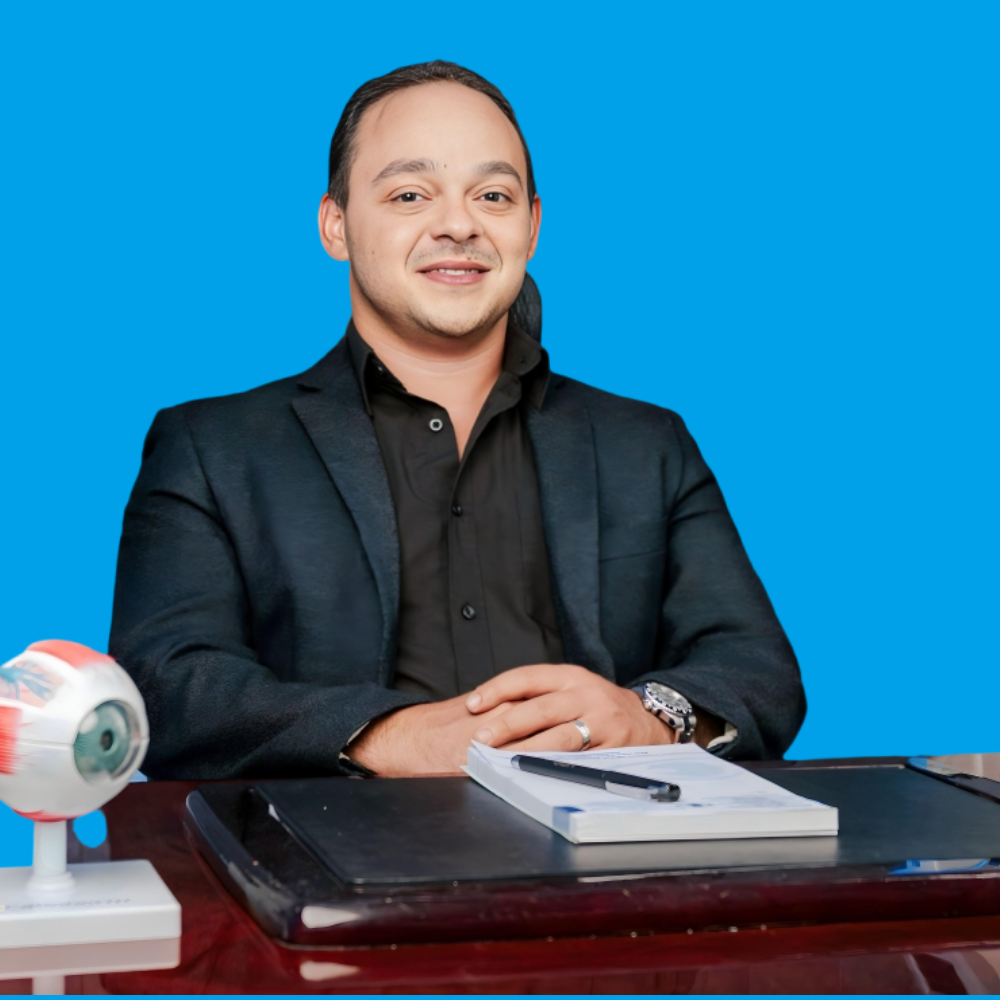
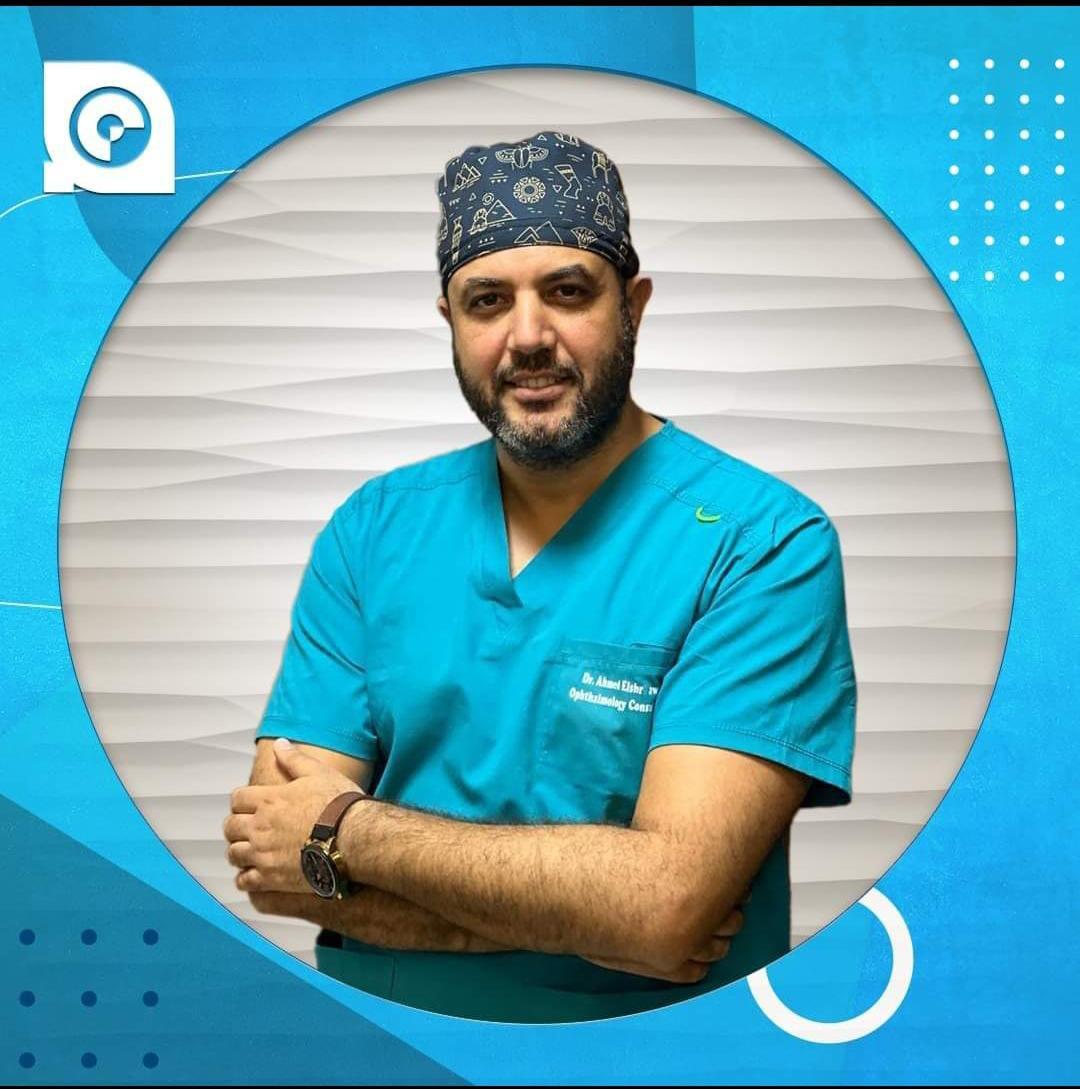
Dr. Shihab El-Din Amjad Dowidar
(5.0)

Dr. Shehab El-Din Amjad Dowidar Ophthalmology and Laser Surgery...

Speciality: دكتور عيون
Price: 200
Alexandria
Address: 26 Lagetie Street, above El-Waheed Restaurant and Safir Optics, El-Ibrahimeya, Alexandria.

Dr. Shehab Eldin Amgad Dwidar📌 About Dr. Shehab Eldin Amgad Dwidar👁️ Specialty: Specialist in Eye Surgery... Read More: Dr. Shihab El-Din Amjad Dowidar

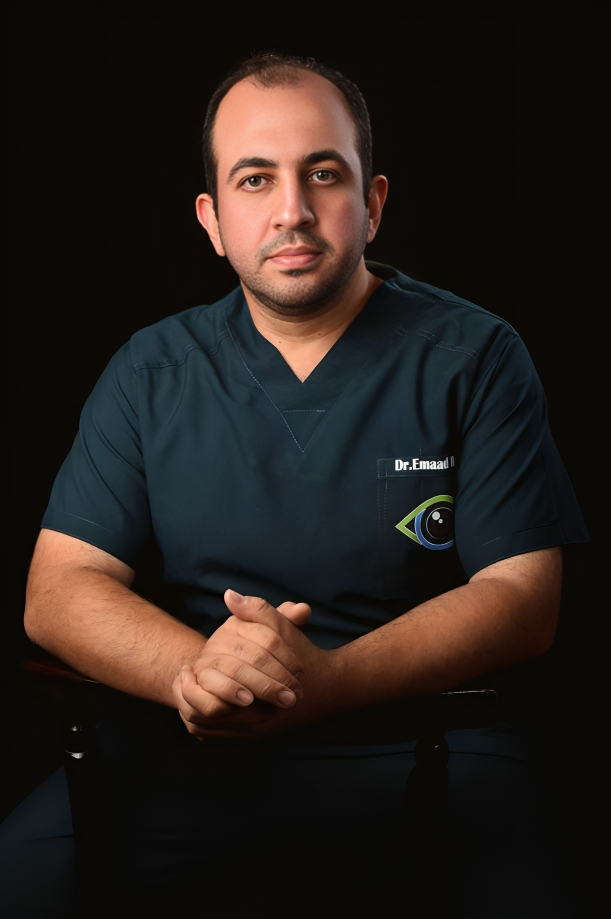
Dr. Emad Rashid Turkmani
(5.0)

Consultant in Ophthalmology and Eye Surgery

Speciality: Eye doctor
6 October, Giza
Address: 6th of October - Central Axis - City Towers (A) - Seventh tower after Al-Hosary Mosque - above Pan Sarah El-Batta.

Dr. Imad Rashed Turkmani Consultant of Ophthalmology Surgery 👁️🗨️ 💼 Specialties and Medical Services: 🔬 Retinal and... Read More: Dr. Emad Rashid Turkmani

Dr. Suzanne Fouad
(5.0)

Dr. Suzanne Fouad – Ophthalmology Consultant

Speciality: استشاري طب وجراحة العيون
Price: 300
Maadi, Cairo
Address: Clinic 152, Al-Horreya Tower, in front of El-Shawa Mall, Maadi, above El-Khalafada Pharmacy.

Dr. Susan Fouad Consultant Ophthalmologist and Eye Surgeon in Maadi📍 Address:Clinic 152, Liberty Tower, in... Read More: Dr. Suzanne Fouad

 Dr. Wadid Zahra
(5.0)

LASIK/Laser Vision Correction Surgeon

Speciality: Eye doctor
Heliopolis, Cairo
Address: 1 Hegaz Square – Heliopolis, Egypt

✅ Dr. Wadid Zahra LASIK/Laser Vision Correction Surgeon🔹 Memberships in Leading Global Associations and Universities🌍... Read More: Dr. Wadid Zahra

 Dr. Mahmoud El-Azizy
(5.0)

Dr. Mahmoud El-Azizy is an ophthalmology specialist and eye...

Speciality: Ophthalmology Specialist & Eye Surgeon
Cairo
Address: 82 10th Street, next to Hada’iq El-Qubba Police Station, opposite Al-Shaer Pharmacy, Panorama Tower – before Al-Zawiya Bridge

🩺 Dr. Mahmoud El-AzizyOphthalmology Specialist and Eye Surgeon Hadaiq El-Qubba El-Khosous, Cairo 👨⚕️ Who is... Read More: Dr. Mahmoud El-Azizy

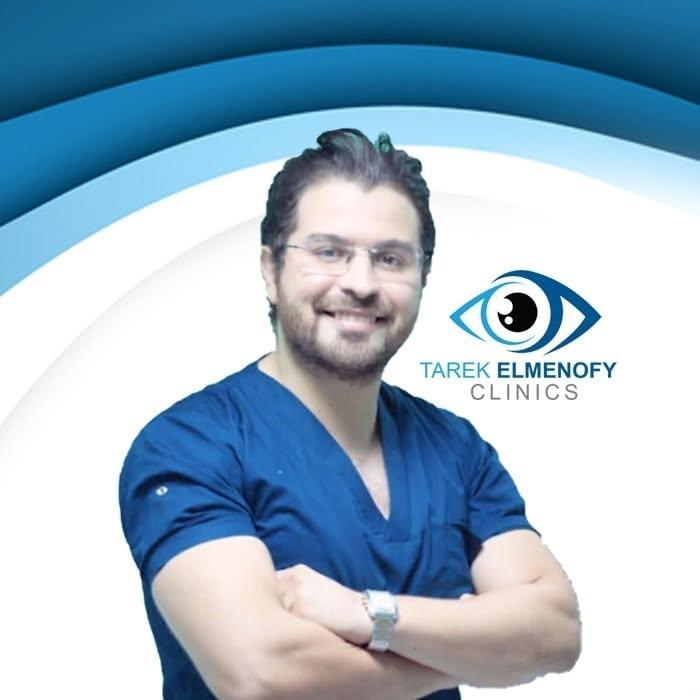
Dr. Tarek El Menoufy
(5.0)

Dr. Tarek Elminofy is a Consultant of Ophthalmology, providing...

Speciality: Consultant of Ophthalmology
Maadi, Cairo
Address: Maadi – Cairo

👁️ Ophthalmology Consultant Maadi Dr. Tarek Elminofy "Clearer Vision for a Better Life" Dr. Tarek Elminofy is one... Read More: Dr. Tarek El Menoufy

Dr. Kamel Mansour

Ophthalmology and Surgery Center

Speciality: Eye doctor
New Valley
Address: The center is located at El-Kharga - Moot Road, El-Wahat El-Dakhla District, New Valley Governorate, specifically in the Rashida area in El-Wahat El-Dakhla, making it easily

Dr. Kamel Mansour Ophthalmology and Surgery Center New Valley Governorate If you're looking for top eye... Read More: Dr. Kamel Mansour

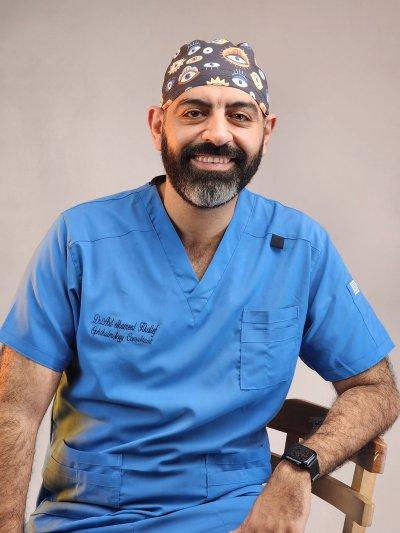
Dr. Abdel Hamid Khalif

Ophthalmology consultant Member of the Royal College of Surgeons of...

Speciality: Eye doctor
Price: 200
Alexandria

Dr. Abd El-Hamid Mohamed Khalif Consultant in Ophthalmology and Eye Surgery Who is Dr. Abd El-Hamid Khalif?Dr. Abd... Read More: Dr. Abdel Hamid Khalif

Dr. Ahmed Mohamed Hassan

Ophthalmology Specialist

Speciality: Eye doctor
Heliopolis, Cairo
Address: Heliopolis, Othman Ibn Affan Street, Ismailia Square

Dr. Ahmed Mohamed Hassan Specialty: Ophthalmology Specialist Educational Qualifications: Specialized certification in Ophthalmology. Expertise in modern techniques for diagnosing and treating... Read More: Dr. Ahmed Mohamed Hassan

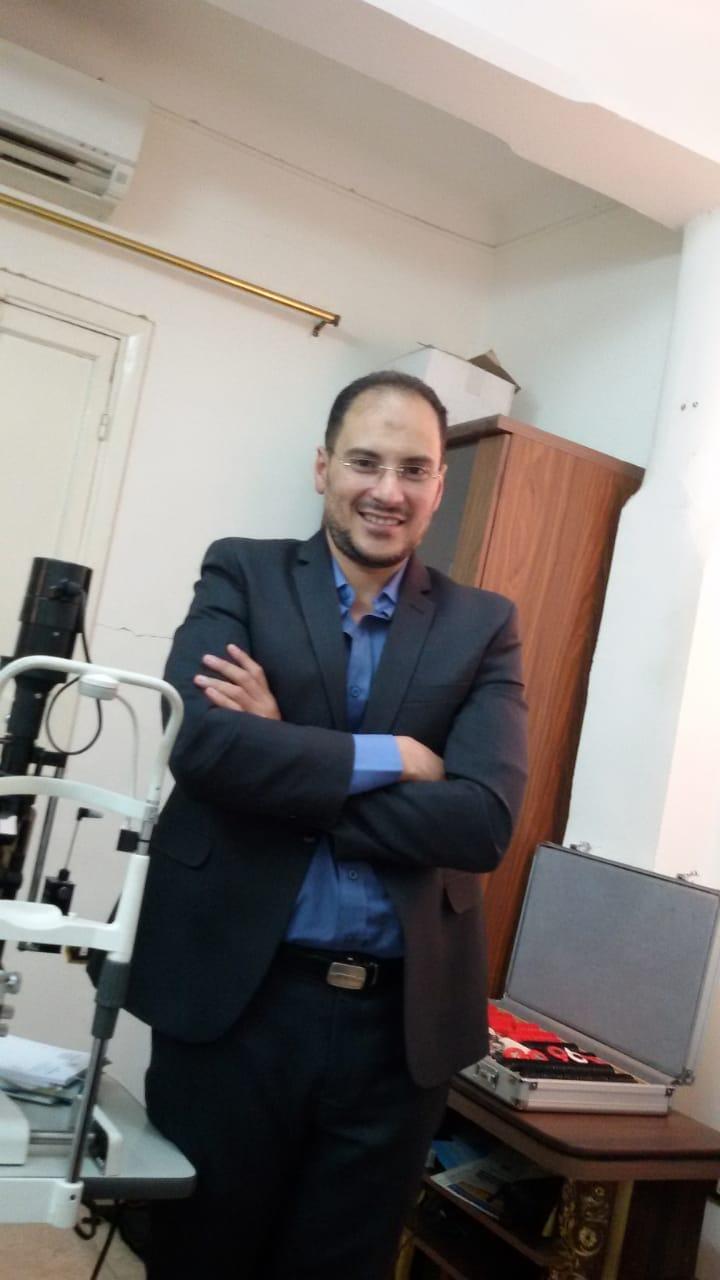
Dr. Mohamed Sharara

Consultant in Ophthalmology and Eye Surgery

Speciality: Eye doctor
El Rehab, Cairo
Address: Cairo - Rehab, Medical Center 3, Clinic 202, next to the National Bank of Egypt.

Dr. Mohamed Sharara Consultant in Ophthalmology and Eye Surgery 👁️ Specialties: Pediatric Ophthalmology 👶 Treatment of eye problems in children,... Read More: Dr. Mohamed Sharara

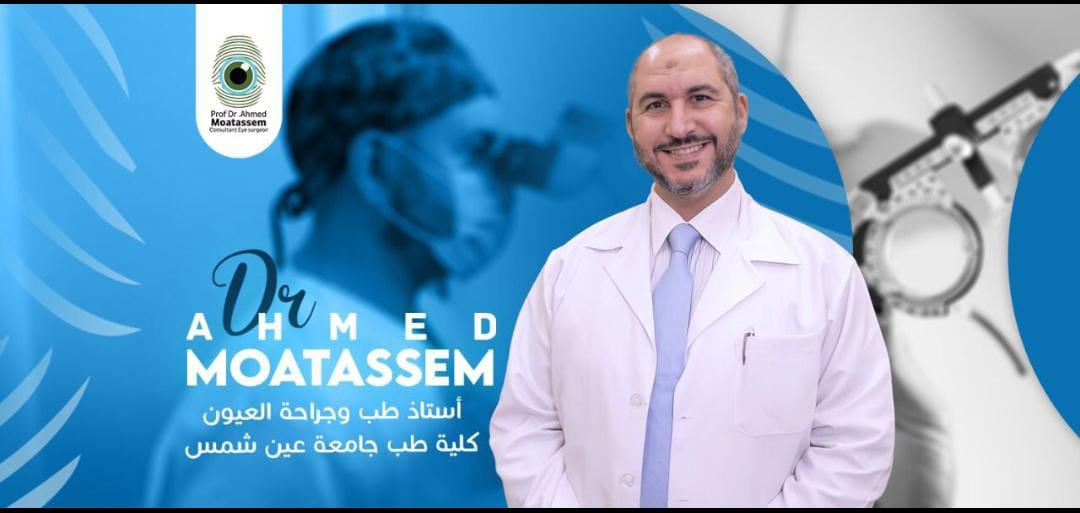
Dr. Ahmed Al-Mu'tasim

Professor and Consultant in Ophthalmic Surgery

Speciality: Eye doctor
Heliopolis, Cairo
Address: 75 Abu Bakr Al-Siddiq, Almaza, Heliopolis District, Cairo Governorate

Dr. Ahmed Al-Mu'tasimProfessor and Consultant in Ophthalmic SurgeryFaculty of Medicine, Ain Shams UniversityHeliopolis, Egypt About the Doctor:Professor... Read More: Dr. Ahmed Al-Mu'tasim

Dr. Ammar Nassar

Consultant in Eye Surgery and LASIK

Speciality: Eye doctor
El Agouza, Giza
Address: 5 Lebanon, Mit Okba Island, Agouza District, Giza Governorate

Dr. Ammar Nassar Specialty: Consultant in Eye Surgery and LASIK Educational Qualifications: Specialized certification in Eye Surgery. Expertise in LASIK surgery... Read More: Dr. Ammar Nassar

Dr. Ahmed Al-Najjar

Consultant in Ophthalmology

Speciality: Eye doctor
Mohandisin, Giza
Address: 24 Arabian Peninsula Street, Mohandessin,

Dr. Ahmed Al-Najjar Specialty: Consultant in OphthalmologySubspecialties: Adult and Pediatric Eye Surgeries, Laser Vision Correction (LASIK and... Read More: Dr. Ahmed Al-Najjar

Dr. Ehab Abdel Shafy

Ophthalmology Specialist

Speciality: Eye doctor
6 October, Giza
Address: October 6, District 11 - Block 1 - Gamal Abdel Nasser Axis - Bank Buildings, Building 3

Dr. Ehab Abdel ShafySpecialization: Ophthalmology Specialist Educational Qualifications: Specialist in Ophthalmology and Eye Surgery.Member of the Royal College... Read More: Dr. Ehab Abdel Shafy

Dr. Mohamed Hamed El-Akshar

Consultant in Ophthalmology and Eye Surgery

Speciality: Eye doctor
Tanta, Gharbia
Address: 33 Sheikha Sabah Street, Tanta (Section 2), Tanta,

Dr. Mohamed Hamed El-Akshar Specialty: Consultant in Ophthalmology and Eye Surgery Educational Qualifications: Specialized certification in Ophthalmology and Eye Surgery. Expertise... Read More: Dr. Mohamed Hamed El-Akshar

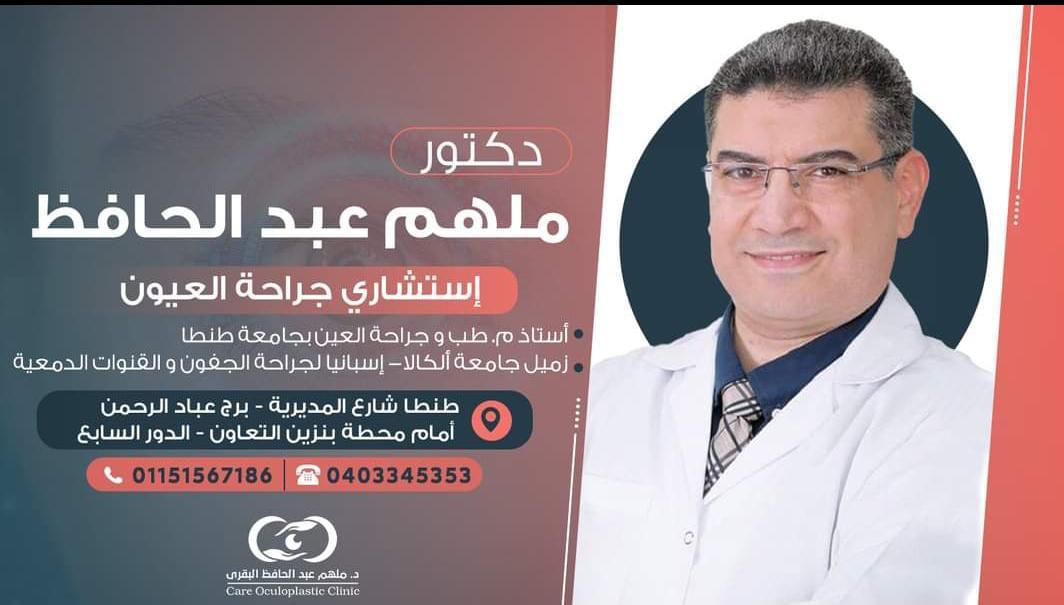
Dr. Mulham Abdel Hafiz

Consultant in Eye Surgery

Speciality: Eye doctor
Tanta, Gharbia
Address: Tanta, Al-Muderia Street, in front of Al-Taawon Gas Station

Dr. Mulham Abdel Hafiz Specialty: Consultant in Eye Surgery Educational Qualifications: Specialized certification in Eye Surgery. Expertise in the latest techniques... Read More: Dr. Mulham Abdel Hafiz

Dr. Ahmed El-Sharqawi

Consultant in Eye Surgery

Speciality: Eye doctor
Tanta, Gharbia
Address: Al-Muderia Al-Qibli Street, Tanta (Section 2), First Section of Tanta, Gharbia Governorate

Dr. Ahmed El-Sharqawi Specialty: Consultant in Eye Surgery Educational Qualifications: Specialized certification in Eye Surgery. Expertise in the latest techniques in... Read More: Dr. Ahmed El-Sharqawi

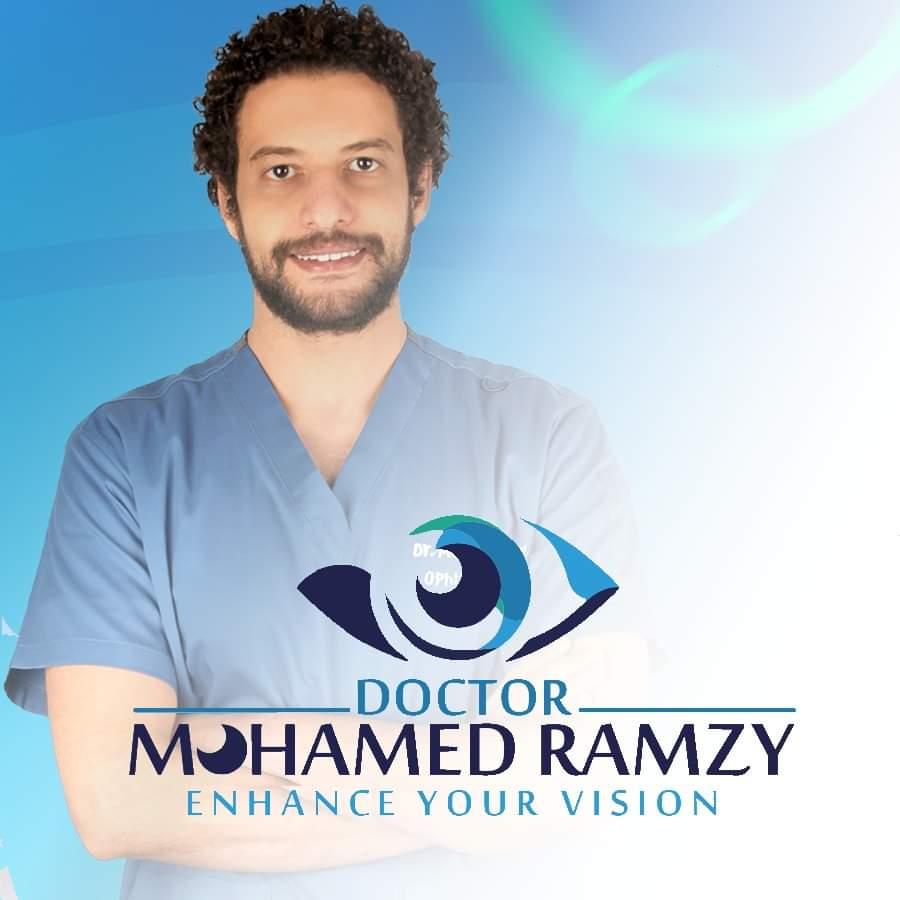
Dr. Mohamed Ramzy

Consultant in Eye Surgery and LASIK

Speciality: Eye doctor
Mohandisin, Giza
Address: 54 Ahmed Abdel Aziz Street, intersection with Arab League Street

Dr. Mohamed Ramzy Specialty: Consultant in Eye Surgery and LASIK Educational Qualifications: Specialized certification in Eye Surgery. Expertise in LASIK surgery... Read More: Dr. Mohamed Ramzy

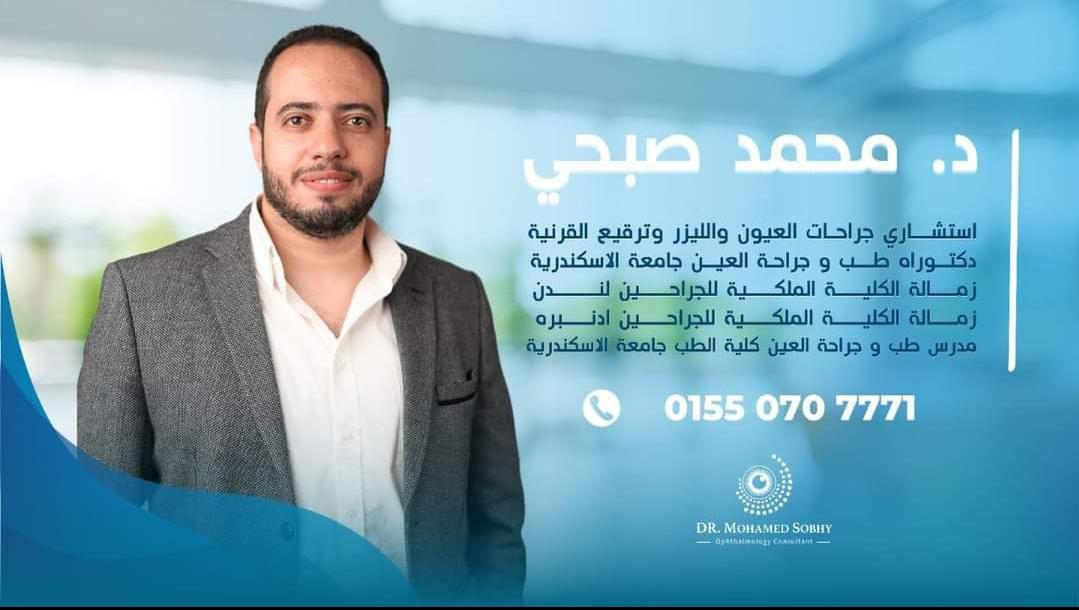
Dr. Mohamed Sobhi

Consultant in Ophthalmology and Eye Surgery

Speciality: Eye doctor
Smouha, Alexandria
Address: Smouha, Abdel Maqsoud Street, branching off from Mostafa Kamel Street

Dr. Mohamed Sobhi Specialty: Consultant in Ophthalmology and Eye Surgery Educational Qualifications: Specialized certification in Ophthalmology and Eye Surgery. Expertise in... Read More: Dr. Mohamed Sobhi

Dr. Mahmoud Al-Naggar

Consultant in Ophthalmology and Eye Surgery

Speciality: Eye doctor
Sidi Gaber, Alexandria
Address: Al Safwa Specialized Clinics 293 Port Said Street, Sidi Gaber, First Floor

Dr. Mahmoud Al-Naggar Specialty: Consultant in Ophthalmology and Eye Surgery Educational Qualifications: Specialized certification in Ophthalmology and Eye Surgery. Expertise in... Read More: Dr. Mahmoud Al-Naggar

👁️ Best Eye Doctor in Egypt | Comprehensive Vision Exams & Treatments

Searching for the best eye doctor in Egypt to treat vision problems, retina, or cornea issues? Misr Connect helps you find renowned ophthalmologists with advanced technology and expertise.

  • 🔬 Accurate diagnosis of vision problems using advanced devices
  • 👓 Cataract, glaucoma treatment & laser vision correction
  • 🧒 Pediatric eye exams and strabismus treatments
  • 🧾 Ongoing care for diabetic retinopathy and corneal diseases
  • ✨ Personalized tips to maintain healthy vision and prevent complications

All doctors are verified with real patient reviews and transparent consultation fees, helping you choose the right specialist easily.

📍 Book now with the best eye doctor in Egypt via Misr Connect and start your journey to clear vision

FAQ

FAQ

Comprehensive and direct answers to the most frequently asked questions about available services and specialties.

Egypt's #1 Verified Directory

The symptoms of eye inflammation vary depending on its cause and type, but generally include:

1. Redness: This occurs due to the dilation of blood vessels in the eye.

2. Itching and burning: Itching or a burning sensation may indicate eye inflammation.

3. Swollen eyelids: Swelling may occur in either the upper or lower eyelid.

4. Discharge: Clear, yellow, or green discharge may appear from the eye, especially upon waking.

5. Increased tearing: Tears may increase due to irritation in the eye.

6. Feeling of a foreign body in the eye: The person may feel as though something is stuck in the eye, even if there is nothing there.

7. Light sensitivity: Looking at light may become uncomfortable due to inflammation.

8. Blurred vision: Inflammation can cause temporary blurred vision.

9. Eye pain: Mild or severe pain may accompany eye inflammation, especially if swelling is present.

If these symptoms occur or worsen, it is recommended to consult an ophthalmologist for diagnosis and appropriate treatment, as neglecting the inflammation can lead to complications affecting eye health and vision.

Eye Allergies:

  1. Causes itching, redness, and increased tearing.
  2. Other symptoms include mild swelling of the eyelids and a burning sensation.
  3. Causes include dust, pollen, smoke, or pet dander.
  4. Treatment: Avoiding triggers, using antihistamine eye drops, and applying cold compresses to reduce redness.

Eye Infections:

  1. Caused by bacterial, viral infections, or internal inflammation in the eye.
  2. Symptoms include severe redness, pain, yellow or green discharge, and light sensitivity.
  3. Treatment: Bacterial infections require antibiotics, while viral infections need antiviral medications.
  4. See an eye doctor if symptoms persist or are severe.

Yes, eye infections can be dangerous if not treated in time. Severe eye infections, especially bacterial or viral, can affect vision or cause permanent damage to the eye.

When is an eye infection dangerous?

  1. Severe eye pain.
  2. Blurry or partial loss of vision.
  3. Severe light sensitivity.
  4. Yellow or green discharge.
  5. Symptoms persisting for more than two days without improvement.

Complications if the infection is untreated:

  1. Corneal ulcers affecting vision.
  2. Spread of the infection to other parts of the eye.
  3. Permanent vision impairment.
 
  1. Follow the doctor’s instructions: Be sure to follow your doctor’s advice carefully, such as using the prescribed eye drops, to reduce the risk of infections and speed up recovery.
  2. Avoid rubbing your eyes: Rubbing your eyes can affect healing and cause vision problems, so try to avoid it completely.
  3. Avoid exposure to dust and water: After LASIK surgery, stay away from dusty places, and avoid swimming or showering in deep water to prevent any risks.
  4. Rest your eyes: Try to limit screen time (mobile, computer) in the first few days to reduce eye strain.
  5. Get enough rest and sleep: Good sleep helps rejuvenate cells and maintain eye health, speeding up the healing process.
  6. Follow up with your doctor: Keep your follow-up appointments to ensure the recovery is going smoothly.

By following these tips, you'll help maintain your eye health and ensure that your LASIK surgery was successful. If you notice any changes in your vision or experience unusual symptoms, don’t hesitate to consult your doctor immediately.

Certainly! Here's the translation tailored to be simple, professional, and relatable for the Egyptian audience:

Sleep plays a vital role in relaxing and rejuvenating the eyes. During sleep, the eyes get a much-needed break from constant exposure to light, screens, and daily stress. This period allows the muscles around the eyes to relax and regain their energy.

Moreover, sleep helps regenerate cells in the eye tissues and improves blood circulation, providing essential nutrients and oxygen for eye health. Good sleep also reduces the risk of eye problems caused by strain, such as dryness and redness, leaving your eyes healthier and more refreshed when you wake up.

Yes, sleep is one of the most important ways to relax the eyes and help them recover, maintaining their health. During sleep, the eyes get a break from continuous exposure to light, screens, and the visual strain caused by focusing throughout the day.

How does sleep contribute to eye comfort?

  1. Tissue Renewal: During sleep, the tissues and cells of the eyes regenerate, helping repair any minor damage caused by dryness, dust, or strain.

  2. Eye Moisturization: Sleep helps in the secretion of natural tears that moisturize the surface of the eye, reducing the risk of dry eye.

  3. Reducing Visual Fatigue: Sleep relaxes the eye muscles that get fatigued during long hours of work or screen use, thus minimizing the chances of visual fatigue.

  4. Enhancing Retina Health: Quality sleep supports retina health and maintains eye pressure balance, reducing the risk of eye diseases.

عندما لا يحصل الشخص على قسط كافٍ من النوم، قد يلاحظ الأعراض التالية في العين:

  • احمرار وتهيج.
  • جفاف وحكة.
  • انتفاخ الجفون وظهور هالات سوداء حول العينين.
  • تشوش الرؤية أو الشعور بثقل في العين.

لذا، يعتبر النوم من أفضل الطرق الطبيعية لراحة العين والحفاظ على صحتها، وينصح بالحصول على 7-8 ساعات من النوم يوميًا لضمان أداء بصري جيد.

التخلص من التهاب العين يعتمد على سبب الالتهاب. إليك بعض الخطوات العامة التي يمكنك اتباعها:

1. استشارة طبيب العيون

من المهم مراجعة طبيب العيون لتحديد السبب الدقيق للالتهاب. قد تكون هناك حاجة لاستخدام الأدوية المناسبة، مثل المضادات الحيوية أو مضادات الفيروسات.

2. استخدام الأدوية الموصوفة

إذا كان الالتهاب ناتجًا عن عدوى بكتيرية، قد يصف الطبيب مضادات حيوية.

إذا كان الالتهاب ناتجًا عن فيروس، يمكن أن يوصي بأدوية مضادة للفيروسات أو مسكنات للألم.

3. تجنب المهيجات

تجنب التعرض للغبار، الدخان، والعطور القوية، والتي يمكن أن تزيد من تهيج العين.

حاول عدم فرك العين، حيث يمكن أن يؤدي ذلك إلى تفاقم الالتهاب.

4. استخدام الكمادات الدافئة

ضع كمادة دافئة على العين المصابة لمدة 10-15 دقيقة عدة مرات يوميًا. هذا يمكن أن يساعد في تخفيف الألم والاحتقان.

5. الترطيب الجيد

استخدم قطرات مرطبة للعين (دموع اصطناعية) إذا كانت العين جافة.

6. الحفاظ على نظافة العين

اغسل يديك جيدًا قبل لمس عينيك أو وضع قطرات العين.

إذا كانت هناك إفرازات، استخدم قطعة قماش نظيفة أو كحول لتنظيف المنطقة حول العين.

7. تجنب العدسات اللاصقة

إذا كنت ترتدي العدسات اللاصقة، تجنب استخدامها أثناء فترة الالتهاب حتى تتحسن حالتك.

8. تجنب الشاشات

قلل من استخدام الشاشات (الهاتف، الكمبيوتر) خلال فترة الالتهاب لتقليل إجهاد العين.

9. تناول الغذاء الصحي

احرص على تناول نظام غذائي متوازن يحتوي على فيتامينات ومعادن تعزز من صحة العين مثل فيتامين A، C، والزنك.

10. راحة العين

احصل على قسط كافٍ من النوم لتساعد العينين على التعافي.

إذا استمرت الأعراض أو تفاقمت، من المهم استشارة طبيب العيون للحصول على تقييم دقيق وعلاج مناسب.

وجود خط أحمر في العين، والذي يُعرف عادةً بالعين الحمراء أو احمرار العين، يمكن أن يكون نتيجة لعدة أسباب. إليك بعض الأسباب الشائعة:

1. التهاب الملتحمة

يُعرف أيضًا بـ "عين الوردية"، وهو التهاب في الغشاء الذي يغطي الجزء الأبيض من العين. يمكن أن يكون ناتجًا عن عدوى فيروسية أو بكتيرية، أو حتى حساسية.

2. تمزق الأوعية الدموية

يمكن أن يحدث تمزق في الأوعية الدموية الصغيرة في العين بسبب إجهاد العين، السعال، أو حتى فرك العين بشدة، مما يؤدي إلى ظهور خط أحمر.

3. الإجهاد البصري

الاستخدام المفرط للشاشات أو القراءة لفترات طويلة يمكن أن يؤدي إلى إجهاد العين، مما قد يسبب احمرارًا.

4. الجفاف

عدم ترطيب العين بشكل كافٍ يمكن أن يؤدي إلى جفاف العين، مما قد يسبب الاحمرار.

5. حساسية

يمكن أن تتسبب المواد المسببة للحساسية مثل الغبار، حبوب اللقاح، أو الدخان في التهاب العين واحمرارها.

6. عدوى العين

بعض العدوى، مثل التهاب القرنية أو التهاب الجفن، يمكن أن تؤدي إلى ظهور احمرار في العين.

7. التعرض للمواد الكيميائية

التعرض للمواد الكيميائية أو المهيجات مثل الصابون أو الشامبو أو حتى المياه الملوثة يمكن أن يؤدي إلى احمرار العين.

8. الإصابات

إصابات العين، حتى لو كانت خفيفة، يمكن أن تسبب احمرارًا.

9. الأمراض النظامية

بعض الحالات الطبية مثل ارتفاع ضغط الدم أو السكري قد تظهر أيضًا كاحمرار في العين.

متى يجب زيارة الطبيب؟

إذا كان الخط الأحمر مصحوبًا بأعراض أخرى مثل الألم الشديد، أو فقدان الرؤية، أو الإفرازات، أو إذا استمر لفترة طويلة، فمن المهم استشارة طبيب العيون للحصول على تقييم دقيق وعلاج مناسب.

LASIK is a surgical procedure designed to correct vision problems like nearsightedness, farsightedness, and astigmatism. It uses laser technology to reshape the cornea, the clear layer covering the front of the eye. Here's how it works:

1. Reshaping the cornea: The laser reshapes the cornea to focus light properly on the retina, improving vision. For nearsightedness, tissue is removed from the center of the cornea to reduce curvature. For farsightedness, tissue is removed from the edges to increase curvature.

2. Improved vision: After the procedure, many patients can stop using glasses or contact lenses. Vision typically improves immediately after surgery and continues to get better in the following days.

3. Quick recovery: The procedure is not very painful, and most patients can return to their normal activities within a day or two.

4. Reduced reliance on visual corrections: The goal of LASIK is to reduce or eliminate the need for glasses or contact lenses, offering more freedom in daily life.

5. Pre-surgery evaluation: Before the surgery, a thorough eye exam is conducted to ensure the patient is a suitable candidate. This includes measuring corneal thickness and overall eye health.

6. Risks and side effects: While LASIK is beneficial, it's not without risks. Possible side effects include temporary dry eyes, halos around lights, difficulty seeing at night, or the need for additional surgeries to further improve vision.

Temporary dry eyes.
Halos around lights.
Difficulty seeing at night.
The possibility of needing additional surgeries to further improve vision.

الليزك والليزر مصطلحان يرتبطان بعلاج مشاكل الرؤية، لكنهما يشيران إلى جوانب مختلفة في هذا المجال. إليك الفرق بينهما:

1. الليزر (Laser)

التعريف: الليزر هو جهاز يُستخدم لإنتاج شعاع ضوئي مكثف ومركّز. كلمة "ليزر" هي اختصار لـ "Light Amplification by Stimulated Emission of Radiation".

الاستخدامات: يُستخدم الليزر في مجموعة متنوعة من التطبيقات الطبية، بما في ذلك:

جراحة العيون (مثل الليزك)

إزالة الشعر

علاج الأمراض الجلدية

الجراحة العامة

الإجراءات التجميلية

الأنواع: هناك أنواع متعددة من أجهزة الليزر، مثل ليزر الأرجون، وليزر الإكزيمر، وليزر CO2، وكل نوع له استخداماته المحددة.

2. الليزك (LASIK)

التعريف: الليزك هو نوع محدد من جراحة العين يستخدم الليزر لتصحيح مشاكل الرؤية، مثل قصر النظر، طول النظر، والاستجماتيزم.

الإجراء: يتضمن إجراء الليزك عدة خطوات:

إنشاء شريحة رقيقة في القرنية باستخدام ليزر خاص (مثل ليزر الفيمتو ثانية).

استخدام ليزر الإكزيمر لتعديل شكل القرنية.

إعادة الشريحة إلى مكانها.

الهدف: يهدف الليزك إلى تحسين القدرة على الرؤية وتقليل الاعتماد على النظارات أو العدسات اللاصقة.

الخلاصة

الليزر هو التقنية أو الجهاز الذي يُستخدم في العديد من الإجراءات الطبية، بينما الليزك هو إجراء محدد يعتمد على استخدام الليزر لتصحيح مشاكل الرؤية.

يمكن القول إن جميع عمليات الليزك تستخدم الليزر، لكن ليس كل استخدام لليزر يتعلق بالليزك.

Recovery time after LASIK surgery varies from person to person, but generally, here's what to expect:

1. Immediate recovery: Right after the surgery, you may feel some discomfort or blurry vision, but most people start to notice clear improvement within a few hours.

2. Recovery in the first few days: During the first few days after the surgery, most people can return to regular activities like office work. However, it's better to rest and avoid strenuous activities.

3. Full vision recovery: Around a week after the surgery, your vision will start to improve noticeably, but some people may need a week or two for their vision to stabilize even more.

  • Ongoing improvement: Your vision may continue to improve for weeks or even months after the surgery.

Post-surgery tips:

1. Don’t rub your eyes.

2. Use the prescribed eye drops to reduce dryness.

3. Wear sunglasses to protect your eyes.

4. Avoid strenuous activities like swimming or intense sports for a while.

Follow-up care: It’s important to follow up with your doctor after the surgery to ensure proper healing.

Does using a mobile phone weaken vision after LASIK?

After LASIK surgery, using a mobile phone won't directly weaken your vision, but here are some tips to follow:

1. Rest for your eyes: After the surgery, your eyes may be a bit sensitive, so it's best to reduce screen time in the first few days.

2. Eye strain: Prolonged mobile use can cause eye strain, which may lead to discomfort or temporary blurry vision. This can happen even without LASIK surgery.

3. Lighting: Make sure the lighting you're using while looking at your phone is good. Poor or harsh lighting can increase eye strain.

4. Hygiene and care: After the surgery, it's important not to rub or touch your eyes. Reducing mobile phone use can help minimize the risk of accidentally touching your eyes.

5. Rest breaks: Follow the 20-20-20 rule: Every 20 minutes of mobile use, look at something 6 meters away for 20 seconds. This helps reduce eye strain.

Summary: Using a mobile phone after LASIK surgery isn't dangerous in itself, but by following these tips, you'll minimize any strain or discomfort. If you experience any vision problems after the surgery, it's best to consult your eye doctor.

After LASIK surgery, there are certain things to avoid to ensure quick healing and prevent any issues:

1. Rubbing your eyes: Avoid rubbing your eyes as it can affect the healing process.

2. Water in the eyes: Avoid getting water in your eyes, whether from showers or swimming pools.

3. Cosmetics: It's better to avoid using makeup or any cosmetics around the eyes in the first few days.

4. Intense physical activities: Avoid intense sports or swimming for at least one to two weeks.

5. Exposure to dust and smoke: Try to stay away from places with a lot of dust or smoke.

6. Using screens for long periods: Limit your use of phones and computers in the first few days.

7. Driving: If your vision is unstable, avoid driving.

8. Using eye drops without consulting your doctor: Do not use any eye drops without your doctor's approval.

Summary: Following these tips will help speed up the healing process. If you have any concerns, don't hesitate to consult your eye doctor.

Sure! Here's a professional yet simple and easy-to-understand translation, tailored for an Egyptian audience:

LASIK is not painful, and most people don’t feel pain. You might feel some pressure in your eye, but that's because the eye will be numbed with drops before the procedure. After the procedure, you might feel a slight burning or like something strange in your eye, but this usually goes away quickly.

More Details:

During the Procedure:
Before starting, the doctor will apply numbing drops to your eyes so you won’t feel pain. You might feel some pressure or an odd sensation, but the procedure itself isn’t painful.

After the Procedure:

1. Burning or Tingling Sensation: After the procedure, you might feel some burning or as if something is in your eye. This is completely normal and should go away within hours.

2. Blurry Vision: In the first few hours after the procedure, your vision might not be 100% clear, but that clears up over time.

3. Redness in the Eyes: Some people experience redness in their eyes after the procedure, but it disappears within a couple of days.

Pain and Comfort:
If you feel mild discomfort after the procedure, the doctor might recommend some light pain relievers. It's also important to rest and avoid straining your eyes in the first few days after the procedure.

When to See the Doctor:
If you feel severe pain, if the symptoms last for a long time, or if anything unusual happens like vision loss or bleeding, you should see the doctor immediately.

This procedure is simple, safe, and can greatly improve your vision. Just make sure to rest your eyes and follow up with your doctor in the first few days after the procedure.

عملية الليزك تُعتبر إجراءً شائعًا لتصحيح مشاكل الرؤية، ولكن مثل أي إجراء طبي، لها بعض العيوب والمخاطر المحتملة. إليك أبرز عيوب عملية الليزك:

1. جفاف العين

بعد العملية، قد يعاني بعض المرضى من جفاف العين، مما يتطلب استخدام قطرات مرطبة لفترة.

2. تغيرات في الرؤية

في بعض الحالات، قد يحدث تغيير مؤقت أو دائم في الرؤية، مثل:

رؤية ضبابية أو غير مستقرة: قد يشعر بعض المرضى بعدم وضوح الرؤية لبعض الوقت بعد العملية.

هالات أو بريق حول الأضواء: قد يُلاحظ البعض ظهور هالات حول الأضواء ليلاً.

3. عدم تحقيق النتيجة المرجوة

هناك احتمال ألا تصل النتيجة إلى درجة التصحيح المطلوبة، مما قد يتطلب إجراء عملية إضافية.

4. المضاعفات المحتملة

مثل أي عملية جراحية، قد توجد مخاطر مثل:

التهاب العين: قد يحدث التهاب في العين بعد العملية.

فقدان الرؤية: في حالات نادرة، قد يؤدي الليزك إلى فقدان جزئي أو كامل للرؤية.

5. عدم القدرة على تصحيح بعض الحالات

الليزك قد لا يكون مناسبًا لبعض المرضى الذين يعانون من حالات مثل:

قرنية رقيقة: إذا كانت القرنية رقيقة جدًا، قد لا تكون العملية ممكنة.

حالات مرضية معينة: مثل مرض السكري غير المنضبط أو أمراض العين الأخرى.

6. الاحتياج إلى نظارات بعد العملية

في بعض الحالات، قد يحتاج المرضى إلى نظارات لتحسين الرؤية بعد العملية، خاصةً مع التقدم في العمر.

سعر عملية الليزك للعيون في مصر يتراوح عادة بين 10,000 إلى 20,000 جنيه مصري لكل عين، لكن الأسعار قد تختلف بناءً على عدة عوامل، مثل:

نوع التكنولوجيا المستخدمة: هناك تقنيات مختلفة لعملية الليزك، مثل الليزك التقليدي، والـFemto-LASIK، والـSMILE، وكل منها له تكلفته الخاصة.

مستوى المركز الطبي أو المستشفى: قد يختلف السعر حسب سمعة المركز الطبي أو طبيب العيون.

التكاليف الإضافية: قد تشمل التكاليف الإضافية الفحوصات قبل العملية، والمتابعة بعد العملية، وأدوية التخدير والقطرات.

المنطقة الجغرافية: قد تختلف الأسعار بين المدن الكبرى مثل القاهرة والإسكندرية مقارنةً بالمدن الأصغر.

نصيحة

من المهم التواصل مع عدة مراكز طبية للحصول على تقديرات دقيقة وفهم جميع التكاليف المحتملة قبل اتخاذ القرار. كما يُفضل التأكد من مؤهلات الطبيب والتقنيات المستخدمة لضمان الحصول على خدمة جيدة.

العمر المناسب لعملية الليزك يعتمد على عدة عوامل، لكن بشكل عام، يُنصح أن يكون المرضى:

1. في سن 18 عامًا أو أكبر

يُعتبر سن 18 هو الحد الأدنى، حيث يتمكن الأطباء من تقييم استقرار الرؤية. قبل هذا العمر، قد تستمر تغييرات الرؤية بسبب النمو والتطور.

2. استقرار الوصفة الطبية

يجب أن تكون الوصفة الطبية مستقرة لمدة عام على الأقل قبل إجراء العملية. هذا يعني أن التغييرات في قوة النظارات أو العدسات اللاصقة يجب أن تكون ضئيلة أو معدومة.

3. العوامل الصحية

يجب أن يكون المريض في حالة صحية جيدة، ولا يعاني من حالات طبية تؤثر على صحة العين مثل:

مرض السكري غير المنضبط.

أمراض العين مثل القرنية المخروطية.

مشاكل صحية مزمنة.

4. المتابعة مع طبيب العيون

من المهم أن يقوم المريض باستشارة طبيب عيون مختص لتقييم حالته. الطبيب يمكنه تحديد ما إذا كان الشخص مؤهلاً للعملية بناءً على صحته العامة، وصحة العين، ودرجة الاستعداد النفسي.

عملية الليزك تُعتبر آمنة بشكل عام، لكن كما هو الحال مع أي إجراء طبي، هناك مخاطر ومضاعفات محتملة. فقدان البصر أو العمى بعد عملية الليزك هو أمر نادر جدًا، لكنه ممكن في حالات استثنائية. إليك بعض النقاط المتعلقة بهذا الموضوع:

1. مخاطر فقدان البصر

فقدان الرؤية الدائم: هناك حالات نادرة جدًا قد تؤدي فيها المضاعفات إلى فقدان الرؤية بشكل دائم. يمكن أن تشمل هذه المضاعفات:

العدوى: العدوى الشديدة بعد العملية قد تؤدي إلى تلف دائم في العين.

ردود فعل سلبية للتخدير: ردود فعل غير متوقعة تجاه الأدوية المستخدمة أثناء العملية.

2. المضاعفات المحتملة الأخرى

الضبابية أو عدم وضوح الرؤية: بعد العملية، قد يعاني بعض المرضى من رؤية ضبابية أو عدم وضوح، ولكن غالبًا ما تتحسن هذه الحالة مع الوقت.

الهالات والبريق حول الأضواء: هذه الأعراض قد تكون مؤقتة وتختفي مع الوقت.

3. اختيار مركز طبي موثوق

من المهم اختيار مركز طبي محترف وجراح ذو خبرة. تقنيات الليزك الحديثة، مثل Femto-LASIK، تقلل من المخاطر بشكل كبير.

4. استشارة الطبيب

يجب على المرضى التحدث مع طبيب العيون حول جميع المخاطر والفوائد المحتملة للعملية. الطبيب سيقوم بتقييم الحالة الصحية للعين ويحدد ما إذا كانت العملية مناسبة.

بعد عملية الليزك، العديد من المرضى يتمكنون من الوصول إلى رؤية 6/6 (أو رؤية طبيعية) أو قريبًا منها، ولكن النتائج يمكن أن تختلف من شخص لآخر. إليك بعض النقاط التي توضح ما يمكن توقعه بعد العملية:

1. تحسين الرؤية

نسبة عالية من النجاح: حوالي 90% من المرضى يحققون رؤية 6/6 أو أفضل بعد العملية. الكثير منهم لا يحتاجون إلى نظارات أو عدسات لاصقة بعد العملية.

استعادة الرؤية: بعض المرضى قد يحتاجون إلى فترة قصيرة لاستعادة الرؤية الكاملة، حيث يمكن أن تكون الرؤية ضبابية في الأيام الأولى بعد العملية.

2. التغيرات المحتملة

التباين في النتائج: قد يحقق بعض المرضى رؤية أفضل من 6/6، بينما قد يحتاج البعض الآخر إلى تصحيح إضافي إذا لم تصل رؤيتهم إلى المستوى المطلوب.

التغييرات مع الزمن: بعض المرضى قد يواجهون تغيرات في الرؤية بعد عدة سنوات بسبب تقدم العمر أو حالات صحية أخرى، ولكن هذا ليس مرتبطًا مباشرة بعملية الليزك.

3. التقييم الفردي

التقييم قبل العملية: طبيب العيون سيقوم بتقييم دقيق لحالة العين لتحديد مدى ملاءمة المريض للعملية، وهذا يمكن أن يؤثر على النتائج النهائية.

التقنية المستخدمة: التقنيات الحديثة مثل Femto-LASIK قد تزيد من فرص تحقيق نتائج أفضل.

نصيحة

من المهم التواصل مع طبيب العيون بعد العملية للمتابعة والتأكد من أن التعافي يسير بشكل جيد وأن الرؤية تتحسن كما هو متوقع.

نسبة فشل عملية الليزك تُعتبر منخفضة جدًا، لكنها ليست صفرية. هنا بعض المعلومات حول معدل الفشل ومخاطر العملية:

1. نسبة النجاح

معدل النجاح المرتفع: يُقدر معدل النجاح لعملية الليزك بحوالي 90-98%، حيث يتمكن معظم المرضى من الحصول على رؤية 6/6 أو ما يقاربها بعد العملية.

2. مخاطر الفشل

نسبة الفشل: نسبة الفشل أو الحاجة لتصحيح إضافي بعد عملية الليزك تتراوح عادة بين 1-5% من الحالات. الفشل يمكن أن يشير إلى عدم تحقيق النتائج المتوقعة، أو عدم تحسين الرؤية كما هو مخطط.

3. أسباب الفشل

استقرار الوصفة الطبية: إذا كانت الوصفة الطبية غير مستقرة قبل العملية، فقد يؤدي ذلك إلى نتائج غير مرضية.

مضاعفات صحية: مثل العدوى، أو جفاف العين الشديد، أو مشاكل في شفاء القرنية.

تحولات في حالة العين: التغييرات في صحة العين بعد العملية، مثل ظهور مشاكل جديدة أو تفاقم حالات موجودة.

4. اختيار المركز الطبي

أهمية الخبرة: اختيار مركز طبي موثوق وجراح ذو خبرة يمكن أن يقلل من مخاطر الفشل بشكل كبير. التقنيات الحديثة مثل Femto-LASIK تقدم دقة أفضل وتقلل من المخاطر.

نصيحة

قبل اتخاذ قرار إجراء عملية الليزك، من المهم مناقشة جميع المخاطر والفوائد مع طبيب العيون والتأكد من فهم جميع الجوانب المتعلقة بالعملية.

بعد عملية الليزك، يُعتبر فترة الراحة والتعافي مهمة لضمان نتائج جيدة. إليك ما تحتاج لمعرفته حول فترة الراحة بعد العملية:

1. الراحة الفورية

الراحة لمدة 1-2 يوم: يُفضل أن يأخذ المريض يومًا أو يومين من الراحة بعد العملية. خلال هذه الفترة، يُنصح بتجنب الأنشطة المجهدة أو التي تتطلب تركيزًا عاليًا.

2. الأنشطة التي يجب تجنبها

تجنب الشاشات: يُفضل تقليل استخدام الأجهزة الإلكترونية (مثل الهواتف والحواسيب) لمدة 24-48 ساعة.

تجنب السباحة أو دخول الحمامات الساخنة: لمدة أسبوع بعد العملية.

تجنب الأنشطة الرياضية: يُنصح بالابتعاد عن الأنشطة البدنية القاسية مثل الجري أو رفع الأثقال لمدة أسبوعين تقريبًا.

3. المتابعة مع الطبيب

زيارة المتابعة: من المهم الذهاب إلى المواعيد المقررة مع طبيب العيون بعد العملية لمراقبة الشفاء والتأكد من أن كل شيء يسير على ما يرام.

4. فترة الشفاء الكاملة

تحسن الرؤية: قد يستغرق الأمر بعض الوقت (بضع ساعات إلى أيام) لرؤية النتائج الكاملة. قد يواجه المريض رؤية ضبابية أو تغيرات في الرؤية خلال الأيام الأولى.

نصيحة

من المهم اتباع تعليمات الطبيب بدقة، حيث سيقدم نصائح مخصصة بناءً على حالة المريض الخاصة. الراحة والعناية بالعينين يمكن أن تساهم بشكل كبير في تحسين النتائج النهائية للعملية.

بعد عملية الليزك، يمكن أن تكون هناك بعض التوجيهات حول استخدام الهاتف أو أي أجهزة إلكترونية أخرى. إليك ما يجب أن تعرفه:

1. الراحة الفورية

تجنب الاستخدام الفوري: يُفضل تجنب استخدام الهاتف أو أي جهاز إلكتروني خلال الساعات الأولى بعد العملية (المدة التي يقضيها المريض في المنزل مباشرة بعد إجراء العملية).

2. العودة للاستخدام

بعد 24-48 ساعة: بعد مرور يوم أو يومين، يمكن أن يبدأ معظم المرضى في استخدام الهواتف بشكل معتدل. من المهم أن يكون الاستخدام خفيفًا في البداية.

3. نصائح للاستخدام الآمن

تجنب إجهاد العين: من المهم تجنب استخدام الهاتف لفترات طويلة. يُفضل أخذ فترات راحة منتظمة (قاعدة 20-20-20: كل 20 دقيقة، انظر إلى شيء يبعد 20 قدمًا (6 أمتار) لمدة 20 ثانية).

الإضاءة المناسبة: تأكد من أن الإضاءة جيدة عند استخدام الهاتف لتقليل إجهاد العين.

استخدام وضع الليل: إذا كان الهاتف يحتوي على وضع "وضع الليل" أو "الوضع الداكن"، يمكن أن يساعد في تقليل توهج الشاشة.

4. المتابعة مع الطبيب

استشارة الطبيب: من الأفضل دائمًا استشارة الطبيب حول متى يمكن استئناف الأنشطة اليومية، بما في ذلك استخدام الهاتف.

نصيحة

إذا شعرت بأي ألم، أو عدم وضوح في الرؤية، أو أي أعراض غير طبيعية أثناء استخدام الهاتف، يجب عليك التوقف عن الاستخدام والتواصل مع طبيب العيون.

Related Categories
Search Directory