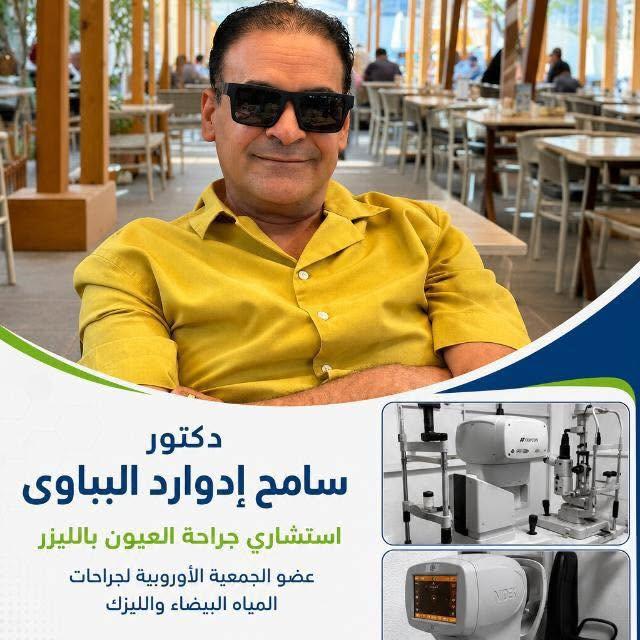
دكتورسامح إدوارد البباوي

دكتورسامح إدوارد البباوي

Verified account

احجز مع دكتورسامح إدوارد البباوي | استشاري طب وجراحة العيون

Ophthalmologists Aswan 5 (55 Reviews)
Egypt's #1 Verified Directory Verified Information
Contact
Available Now
Book Appointment / Phone Whatsapp
Address

إدفو وقراها والمناطق المحيطة، والرديسية، وأسوان والمناطق المحيطة., , Aswan

Follow Us
Overview

احجز استشارتك مع دكتور سامح إدوارد البباوي، استشاري طب وجراحة العيون والمياه البيضاء في إدفو وتواصل معنا الآن.

Full Name دكتورسامح إدوارد البباوي
City / Area Aswan
Description

يقدم دكتور سامح إدوارد البباوي خدمات متخصصة في طب وجراحة العيون، مع اهتمام خاص بتشخيص وعلاج المياه البيضاء وإجراء عمليات إزالتها باستخدام أحدث تقنيات الفاكو وزراعة العدسات داخل العين. كما يقدم استشارات طبية لفحص مشكلات الإبصار وتقييم أمراض العيون وتحديد الخيارات العلاجية المناسبة لكل حالة.

يهتم د. سامح إدوارد باستخدام الأجهزة الطبية الحديثة والتقنيات العالمية، بما يشمل الأجهزة الأمريكية والألمانية والسويسرية، مع التركيز على راحة المريض وتقليل الألم أثناء الإجراءات الجراحية، واختيار العدسات المناسبة وفقًا لاحتياجات كل مريض.

تقع عيادته في إدفو بمحافظة أسوان، بشارع 23 يوليو أمام عمر أفندي، ويستقبل المرضى من إدفو وقراها والرديسية والمناطق المحيطة وأسوان، كما يتيح إجراء عمليات العيون المشمولة بالتأمين الصحي الشامل بمركز أسوان للعيون والليزر يوم الأربعاء أو بموعد يُحدد مسبقًا.



تخصصات وخدمات دكتور سامح إدوارد البباوي

أولًا: جراحات المياه البيضاء وزراعة العدسات

  • جراحات إزالة المياه البيضاء باستخدام تقنية الفاكو.

  • زراعة العدسات داخل العين.

  • اختيار وتركيب العدسات عالية الجودة وفقًا لاحتياجات كل حالة.

  • تقييم حالات المياه البيضاء وتحديد التوقيت المناسب للتدخل الجراحي.

تُعد عملية المياه البيضاء بالفاكو من التقنيات المستخدمة في جراحات إزالة عتامة عدسة العين، ويعتمد تحديد نوع العدسة المناسبة على الفحص الطبي وقياسات العين واحتياجات المريض البصرية، مع مناقشة الخيارات المتاحة قبل إجراء العملية.

ثانيًا: فحص وتشخيص وعلاج أمراض العيون

  • فحص وتشخيص مشكلات الإبصار.

  • تشخيص وعلاج أمراض العيون المختلفة.

  • فحص أمراض الشبكية.

  • تشخيص وعلاج التهابات العين.

  • متابعة الحالات التي تحتاج إلى تقييم دوري.

يساعد الفحص المتخصص على تحديد سبب الأعراض وتقييم حالة العين، سواء كانت مرتبطة بضعف الإبصار أو الالتهابات أو أمراض الشبكية، ثم اختيار الخطة العلاجية المناسبة وفقًا لنتائج الكشف.

ثالثًا: العدسات الطبية والعدسات اللاصقة

  • اختيار وتركيب العدسات داخل العين.

  • توفير العدسات اللاصقة الطبية.

  • تقييم احتياجات المريض البصرية.

  • تحديد نوع العدسات المناسب وفقًا لقياسات العين والحالة الطبية.

يعتمد اختيار العدسات على طبيعة مشكلة الإبصار ونتائج القياسات والفحص، لذلك تتم مناقشة الأنواع المناسبة مع المريض قبل تحديد الاختيار.

رابعًا: عمليات الزفرة

- إجراء عمليات إزالة الزفرة بأحدث الطرق المتاحة.

تحتاج حالات الزفرة إلى فحص طبي لتحديد حجمها ومدى تأثيرها على سطح العين أو الرؤية، وتقييم مدى الحاجة إلى التدخل الجراحي، مع توضيح خطوات الإجراء والرعاية المطلوبة بعد العملية.

خامسًا: جراحات الجفون والقنوات الدمعية

  • إزالة الأكياس الدهنية بالجفون.

  • علاج حبوب الجفون.

  • إزالة أورام الجفون البسيطة.

  • علاج وجراحات القنوات الدمعية.

يتم تقييم مشكلات الجفون والقنوات الدمعية لتحديد طبيعة الحالة والإجراء المناسب، سواء كان العلاج دوائيًا أو تدخلًا جراحيًا، مع مراعاة الحالة الصحية ودرجة المشكلة.

سادسًا: عمليات العيون بالتأمين الصحي الشامل

يتيح دكتور سامح إدوارد إجراء عمليات العيون المشمولة بالتأمين الصحي الشامل في مركز أسوان للعيون والليزر، وذلك يوم الأربعاء أو من خلال موعد آخر يتم تحديده مسبقًا.

وتساعد هذه الخدمة المرضى المستفيدين من منظومة التأمين الصحي الشامل على الاستفسار عن إمكانية إجراء العمليات المطلوبة، وفقًا لشروط التغطية والإجراءات المعتمدة.

المؤهلات العلمية والمهنية

  • استشاري طب وجراحة العيون.

  • متخصص في جراحات المياه البيضاء وإزالة المياه البيضاء بتقنية الفاكو.

  • خبرة استشارية في تقييم حالات العيون واختيار العدسات المناسبة.

  • استخدام أجهزة طبية حديثة من شركات عالمية أمريكية وألمانية وسويسرية.

أين تقع عيادة د. سامح إدوارد البباوي؟

تقع عيادة دكتور سامح إدوارد البباوي في إدفو بمحافظة أسوان، في شارع 23 يوليو أمام عمر أفندي.

ويستقبل المرضى من

  • إدفو وقراها.الرديسية.أسوان والمناطق المحي  أسوان والمناطق المحيطة.كما يتيح إجراء عمليات العيون المشمولة بالتأمين الصحي الشامل بمركز أسوان للعيون والليزر يوم الأربعاء أو بموعد آخر يتم تحديده مسبقًا

كيف تحجز كشفًا مع د. سامح إدوارد البباوي؟

إذا كنت تبحث عن استشارة متخصصة في طب وجراحة العيون، أو تحتاج إلى تقييم لحالات المياه البيضاء أو ضعف الإبصار أو أمراض الشبكية والجفون، يمكنك التواصل مع العيادة للاستفسار عن الخدمات المتاحة ومواعيد الكشف والحجز.رقم الهاتف و  صفحة فيسبوك

ومن خلال مصر كونكت، يمكنك التعرف على تفاصيل دكتور سامح إدوارد البباوي، والاطلاع على تخصصاته وخدماته الطبية ومعلومات العيادة، بالإضافة إلى التواصل للاستفسار عن مواعيد الحجز والخدمات المتاحة.

الأسئلة الشائعة

من هو دكتور سامح إدوارد البباوي؟

دكتور سامح إدوارد البباوي هو استشاري طب وجراحة العيون والمياه البيضاء، يقدم خدمات تشمل جراحات المياه البيضاء بالفاكو وزراعة العدسات، وفحص أمراض الشبكية والعيون، وجراحات الجفون والقنوات الدمعية. 

من هو أفضل دكتور عيون في إدفو؟

يعتمد اختيار طبيب العيون المناسب على تخصصه وخبرته في التعامل مع المشكلة التي يعاني منها المريض، سواء كانت المياه البيضاء أو ضعف الإبصار أو أمراض الشبكية. يُنصح بمراجعة مؤهلات الطبيب والخدمات التي يقدمها وإجراء الكشف لتحديد العلاج المناسب.

ما هي عملية المياه البيضاء بالفاكو؟

عملية المياه البيضاء بالفاكو هي إجراء جراحي يُستخدم لإزالة عدسة العين المعتمة، من خلال تقنية الموجات فوق الصوتية، ثم زراعة عدسة صناعية داخل العين لتحسين الرؤية. ويحدد الطبيب مدى ملاءمة التقنية 

ما هي أنواع العدسات التي يتم زراعتها داخل العين؟

توجد أنواع متعددة من العدسات التي تُستخدم بعد إزالة المياه البيضاء، ويختلف اختيارها حسب قياسات العين واحتياجات المريض البصرية والحالة الصحية. .

هل يمكن إجراء عمليات العيون بالتأمين الصحي الشامل في أسوان؟

نعم، يتيح دكتور سامح إدوارد إجراء عمليات العيون المشمولة بالتأمين الصحي الشامل في مركز أسوان للعيون والليزر، يوم الأربعاء أو بموعد آخر يتم تحديده مسبقًا، 

ما الخدمات التي يقدمها دكتور سامح إدوارد في إدفو؟

يقدم خدمات متعددة في طب وجراحة العيون، تشمل عمليات المياه البيضاء بالفاكو، وزراعة العدسات، وفحص أمراض الشبكية والتهابات العين، وعمليات الزفرة، وإزالة الأكياس الدهنية وأورام الجفون البسيطة، 

FAQ

FAQ

Comprehensive and direct answers to the most frequently asked questions about available services and specialties.

Egypt's #1 Verified Directory

The symptoms of eye inflammation vary depending on its cause and type, but generally include:

1. Redness: This occurs due to the dilation of blood vessels in the eye.

2. Itching and burning: Itching or a burning sensation may indicate eye inflammation.

3. Swollen eyelids: Swelling may occur in either the upper or lower eyelid.

4. Discharge: Clear, yellow, or green discharge may appear from the eye, especially upon waking.

5. Increased tearing: Tears may increase due to irritation in the eye.

6. Feeling of a foreign body in the eye: The person may feel as though something is stuck in the eye, even if there is nothing there.

7. Light sensitivity: Looking at light may become uncomfortable due to inflammation.

8. Blurred vision: Inflammation can cause temporary blurred vision.

9. Eye pain: Mild or severe pain may accompany eye inflammation, especially if swelling is present.

If these symptoms occur or worsen, it is recommended to consult an ophthalmologist for diagnosis and appropriate treatment, as neglecting the inflammation can lead to complications affecting eye health and vision.

Eye Allergies:

  1. Causes itching, redness, and increased tearing.
  2. Other symptoms include mild swelling of the eyelids and a burning sensation.
  3. Causes include dust, pollen, smoke, or pet dander.
  4. Treatment: Avoiding triggers, using antihistamine eye drops, and applying cold compresses to reduce redness.

Eye Infections:

  1. Caused by bacterial, viral infections, or internal inflammation in the eye.
  2. Symptoms include severe redness, pain, yellow or green discharge, and light sensitivity.
  3. Treatment: Bacterial infections require antibiotics, while viral infections need antiviral medications.
  4. See an eye doctor if symptoms persist or are severe.

Yes, eye infections can be dangerous if not treated in time. Severe eye infections, especially bacterial or viral, can affect vision or cause permanent damage to the eye.

When is an eye infection dangerous?

  1. Severe eye pain.
  2. Blurry or partial loss of vision.
  3. Severe light sensitivity.
  4. Yellow or green discharge.
  5. Symptoms persisting for more than two days without improvement.

Complications if the infection is untreated:

  1. Corneal ulcers affecting vision.
  2. Spread of the infection to other parts of the eye.
  3. Permanent vision impairment.
 
  1. Follow the doctor’s instructions: Be sure to follow your doctor’s advice carefully, such as using the prescribed eye drops, to reduce the risk of infections and speed up recovery.
  2. Avoid rubbing your eyes: Rubbing your eyes can affect healing and cause vision problems, so try to avoid it completely.
  3. Avoid exposure to dust and water: After LASIK surgery, stay away from dusty places, and avoid swimming or showering in deep water to prevent any risks.
  4. Rest your eyes: Try to limit screen time (mobile, computer) in the first few days to reduce eye strain.
  5. Get enough rest and sleep: Good sleep helps rejuvenate cells and maintain eye health, speeding up the healing process.
  6. Follow up with your doctor: Keep your follow-up appointments to ensure the recovery is going smoothly.

By following these tips, you'll help maintain your eye health and ensure that your LASIK surgery was successful. If you notice any changes in your vision or experience unusual symptoms, don’t hesitate to consult your doctor immediately.

Certainly! Here's the translation tailored to be simple, professional, and relatable for the Egyptian audience:

Sleep plays a vital role in relaxing and rejuvenating the eyes. During sleep, the eyes get a much-needed break from constant exposure to light, screens, and daily stress. This period allows the muscles around the eyes to relax and regain their energy.

Moreover, sleep helps regenerate cells in the eye tissues and improves blood circulation, providing essential nutrients and oxygen for eye health. Good sleep also reduces the risk of eye problems caused by strain, such as dryness and redness, leaving your eyes healthier and more refreshed when you wake up.

Yes, sleep is one of the most important ways to relax the eyes and help them recover, maintaining their health. During sleep, the eyes get a break from continuous exposure to light, screens, and the visual strain caused by focusing throughout the day.

How does sleep contribute to eye comfort?

  1. Tissue Renewal: During sleep, the tissues and cells of the eyes regenerate, helping repair any minor damage caused by dryness, dust, or strain.

  2. Eye Moisturization: Sleep helps in the secretion of natural tears that moisturize the surface of the eye, reducing the risk of dry eye.

  3. Reducing Visual Fatigue: Sleep relaxes the eye muscles that get fatigued during long hours of work or screen use, thus minimizing the chances of visual fatigue.

  4. Enhancing Retina Health: Quality sleep supports retina health and maintains eye pressure balance, reducing the risk of eye diseases.

LASIK is a surgical procedure designed to correct vision problems like nearsightedness, farsightedness, and astigmatism. It uses laser technology to reshape the cornea, the clear layer covering the front of the eye. Here's how it works:

1. Reshaping the cornea: The laser reshapes the cornea to focus light properly on the retina, improving vision. For nearsightedness, tissue is removed from the center of the cornea to reduce curvature. For farsightedness, tissue is removed from the edges to increase curvature.

2. Improved vision: After the procedure, many patients can stop using glasses or contact lenses. Vision typically improves immediately after surgery and continues to get better in the following days.

3. Quick recovery: The procedure is not very painful, and most patients can return to their normal activities within a day or two.

4. Reduced reliance on visual corrections: The goal of LASIK is to reduce or eliminate the need for glasses or contact lenses, offering more freedom in daily life.

5. Pre-surgery evaluation: Before the surgery, a thorough eye exam is conducted to ensure the patient is a suitable candidate. This includes measuring corneal thickness and overall eye health.

6. Risks and side effects: While LASIK is beneficial, it's not without risks. Possible side effects include temporary dry eyes, halos around lights, difficulty seeing at night, or the need for additional surgeries to further improve vision.

Temporary dry eyes.
Halos around lights.
Difficulty seeing at night.
The possibility of needing additional surgeries to further improve vision.

Recovery time after LASIK surgery varies from person to person, but generally, here's what to expect:

1. Immediate recovery: Right after the surgery, you may feel some discomfort or blurry vision, but most people start to notice clear improvement within a few hours.

2. Recovery in the first few days: During the first few days after the surgery, most people can return to regular activities like office work. However, it's better to rest and avoid strenuous activities.

3. Full vision recovery: Around a week after the surgery, your vision will start to improve noticeably, but some people may need a week or two for their vision to stabilize even more.

  • Ongoing improvement: Your vision may continue to improve for weeks or even months after the surgery.

Post-surgery tips:

1. Don’t rub your eyes.

2. Use the prescribed eye drops to reduce dryness.

3. Wear sunglasses to protect your eyes.

4. Avoid strenuous activities like swimming or intense sports for a while.

Follow-up care: It’s important to follow up with your doctor after the surgery to ensure proper healing.

Does using a mobile phone weaken vision after LASIK?

After LASIK surgery, using a mobile phone won't directly weaken your vision, but here are some tips to follow:

1. Rest for your eyes: After the surgery, your eyes may be a bit sensitive, so it's best to reduce screen time in the first few days.

2. Eye strain: Prolonged mobile use can cause eye strain, which may lead to discomfort or temporary blurry vision. This can happen even without LASIK surgery.

3. Lighting: Make sure the lighting you're using while looking at your phone is good. Poor or harsh lighting can increase eye strain.

4. Hygiene and care: After the surgery, it's important not to rub or touch your eyes. Reducing mobile phone use can help minimize the risk of accidentally touching your eyes.

5. Rest breaks: Follow the 20-20-20 rule: Every 20 minutes of mobile use, look at something 6 meters away for 20 seconds. This helps reduce eye strain.

Summary: Using a mobile phone after LASIK surgery isn't dangerous in itself, but by following these tips, you'll minimize any strain or discomfort. If you experience any vision problems after the surgery, it's best to consult your eye doctor.

After LASIK surgery, there are certain things to avoid to ensure quick healing and prevent any issues:

1. Rubbing your eyes: Avoid rubbing your eyes as it can affect the healing process.

2. Water in the eyes: Avoid getting water in your eyes, whether from showers or swimming pools.

3. Cosmetics: It's better to avoid using makeup or any cosmetics around the eyes in the first few days.

4. Intense physical activities: Avoid intense sports or swimming for at least one to two weeks.

5. Exposure to dust and smoke: Try to stay away from places with a lot of dust or smoke.

6. Using screens for long periods: Limit your use of phones and computers in the first few days.

7. Driving: If your vision is unstable, avoid driving.

8. Using eye drops without consulting your doctor: Do not use any eye drops without your doctor's approval.

Summary: Following these tips will help speed up the healing process. If you have any concerns, don't hesitate to consult your eye doctor.

Sure! Here's a professional yet simple and easy-to-understand translation, tailored for an Egyptian audience:

LASIK is not painful, and most people don’t feel pain. You might feel some pressure in your eye, but that's because the eye will be numbed with drops before the procedure. After the procedure, you might feel a slight burning or like something strange in your eye, but this usually goes away quickly.

More Details:

During the Procedure:
Before starting, the doctor will apply numbing drops to your eyes so you won’t feel pain. You might feel some pressure or an odd sensation, but the procedure itself isn’t painful.

After the Procedure:

1. Burning or Tingling Sensation: After the procedure, you might feel some burning or as if something is in your eye. This is completely normal and should go away within hours.

2. Blurry Vision: In the first few hours after the procedure, your vision might not be 100% clear, but that clears up over time.

3. Redness in the Eyes: Some people experience redness in their eyes after the procedure, but it disappears within a couple of days.

Pain and Comfort:
If you feel mild discomfort after the procedure, the doctor might recommend some light pain relievers. It's also important to rest and avoid straining your eyes in the first few days after the procedure.

When to See the Doctor:
If you feel severe pain, if the symptoms last for a long time, or if anything unusual happens like vision loss or bleeding, you should see the doctor immediately.

This procedure is simple, safe, and can greatly improve your vision. Just make sure to rest your eyes and follow up with your doctor in the first few days after the procedure.

 Dr. Wadid Zahra receives patients at his eye clinic in Heliopolis.

Address: 1 Hegaz Square, Heliopolis, Cairo, Egypt.

Search Directory