







Cardiologists

Cardiologists

Medical 193 Directory

Dr. Samar El Sayed Madani
(5.0)

Consultant in Cardiology and Coronary Angiography

Speciality: Cardiologist
Price: 200
Al Ajmi, Alexandria
Address: Al Agami, Main Road, Gate 8, in front of Fatima Zahra Hospital.

Dr. Samar Sayed MadaniConsultant in Cardiology and Coronary Angioplasty 📍 Address Al-Ajami, Main Road, Gate 8, in front... Read More: Dr. Samar El Sayed Madani

Dr. Muhammad Saleh
(5.0)

Consultant in Cardiology, Catheterization, Electrophysiology, and Pacemakers

Speciality: Cardiologist
Price: 300
Heliopolis, Cairo
Address: Tahrir Square, Qasr El Nil, Cairo Governorate.

Dr. Mohamed Saleh Consultant and Lecturer in Cardiology, Catheterization, Cardiac Arrhythmias, and Pacemaker Implantation Personal Information 📞 Phone Number:... Read More: Dr. Muhammad Saleh

Dr. Mohamed El-Khouli
(5.0)

Dr. Mohamed El-Khouli is one of Egypt’s leading consultants...

Speciality: Cardiologist
Price: 300
Tanta, Gharbia
Address: Address: Talaat Harb Street, Safa and Marwa Tower, above Nasser New Pharmacy.

Dr. Mohamed Elkhouly - Top Consultant in Cardiology and Interventional Catheterization in Tanta and El Mahalla... Read More: Dr. Mohamed El-Khouli

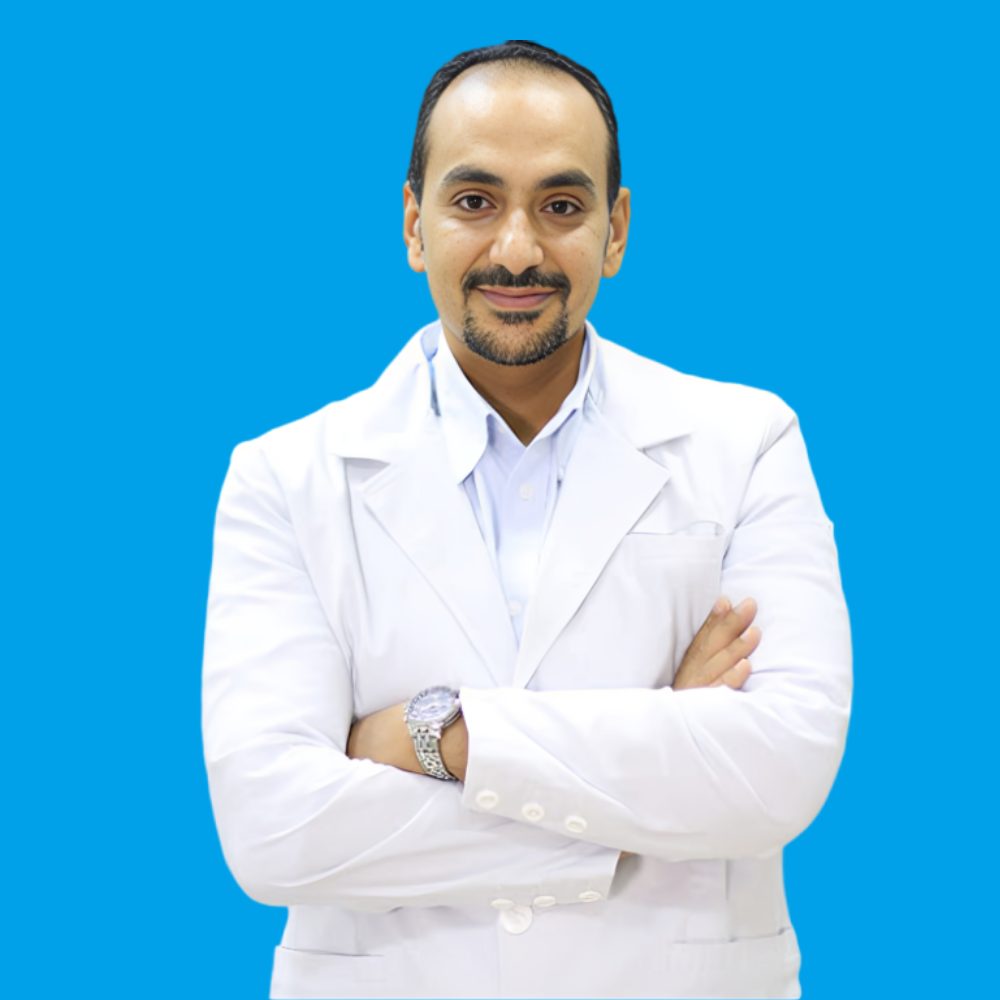
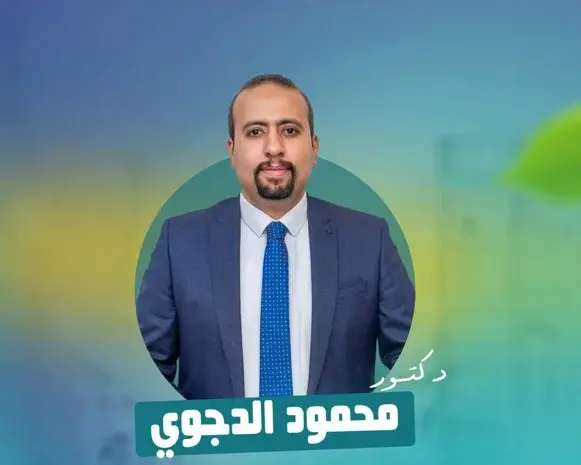
Dr. Mahmoud El-Degwy Ahmed
(5.0)

Professor and Consultant in Cardiothoracic Surgery at Kasr Al-Ainy...

Speciality: استشاري جراحات القلب
Price: 300
Mohandisin, Cairo
Address: First Syria Street from the direction of the Arab League Mosque, Mohandessin, Giza

🏥 Adult Pediatric Cardiothoracic Surgery Clinic Prof. Dr. Mahmoud Eldegwy Ahmed Professor Consultant of... Read More: Dr. Mahmoud El-Degwy Ahmed

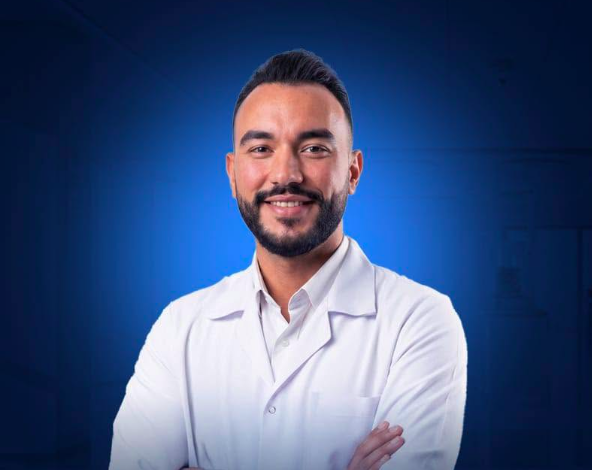
Dr. Ahmed Mahmoud Salama
(5.0)

🎓 PhD in Cardiac and Thoracic Surgery, Cairo University

Speciality: Cardiologist
Price: 250
Nasr City, Cairo
Address: Nasr City, Tahrir Street, in front of the First Nasr City Police Station, 7 Youth Engineers Buildings, 3rd Floor, above Al-Burj Lab.

Dr. Ahmed Mahmoud Salama Consultant Cardiac and Thoracic Surgeon ✔ PhD in Cardiac and Thoracic Surgery... Read More: Dr. Ahmed Mahmoud Salama

Dr. Basheer Hafez Mohamed Ali
(5.0)

Consultant Cardiologist & Catheterization Specialist

Speciality: Cardiologist
Price: 300
Dokki, Giza
Address: 📍45 El-Dokki Street – 4th Floor – Above Farghaly Juice – Near Dokki Metro Station

🫀 Dr. Basheer Hafez Mohamed Ali | Consultant Cardiologist Catheterization Specialist Dokki, Cairo ✨ Professional... Read More: Dr. Basheer Hafez Mohamed Ali

Dr. Mohamed Osman
(5.0)

Dr. Mohamed Osman – Cardiologist and Interventional Cardiology Specialist...

Speciality: Cardiology & Interventional Cardiology – Expert in diagnosing and treating chronic and acute heart diseases – Follow-up after catheterization and heart surgery
Mokattam, Cairo
Address: المقطم – قطعة ٨٩٠٨ – شارع ٩ – الدور الأول – أعلى محل بيت الرياضة وأسواق الشريف – بجوار مطعم حسني

✨ Dr. Mohamed Osman Cardiologist Interventional Cardiology Specialist 🫀 Dr. Mohamed Osman is a specialist... Read More: Dr. Mohamed Osman

Dr. Youssef Mohamed Khadr
(5.0)

Cardiology and Internal Medicine Consultant in Desouk – Kafr...

Speciality: Consultant Cardiologist and Internist
Kafr El Sheikh, Kafr El Sheikh
Address: Desouk – First Abdel Aziz Street – Directly in front of Al-Salam Pharmacy – Next to the old Al-Masilhi Garage – First Floor (Upper Floor).

🫀 Dr. Youssef Mohamed Khadr Consultant of Cardiology Internal Medicine: Your Heart in Safe... Read More: Dr. Youssef Mohamed Khadr

 Dr. Ramy Raafat
(5.0)

Dr. Ramy Raafat is a consultant in cardiology, internal...

Speciality: Consultant of Cardiology and Internal Medicine
Tagamoaa Khames, Cairo
Address: 90th Street – 3rd Floor – Clinic 328

✨ Dr. Ramy Raafat 🫀 Consultant of Cardiology 🩺 Consultant of Internal Medicine and Diabetes Dr. Ramy Raafat is... Read More: Dr. Ramy Raafat

Dr. Youssef Abdel Moneim
(5.0)

If you are looking for one of the best...

Speciality: دكتور
Address: Gemiza Belqas, Above Dr. Magda Magdy Pharmacy and Al Safa Medical Laboratory.

❤️ رعاية قلبية متكاملة زمالة الباطنة والقلب والقسطرة القلبية ❤️ زمالة الباطنة والقلب والقسطرة القلبية دكتور... Read More: Dr. Youssef Abdel Moneim

Dr. Kyrillos  Nagdy Gamal
(5.0)

Consultant in Internal Medicine and Cardiovascular Diseases

Speciality: Cardiologist
Price: 200
Shubra El Kheima, Cairo

Dr. Kyrillos Nagdy Gamal - Specialist in Internal Medicine and Cardiovascular Diseases Dr. Kyrillos Nagdy Gamal is... Read More: Dr. Kyrillos Nagdy Gamal

Dr. Hesham Ahmed El-Nady
(5.0)

Cardiovascular Specialist and Critical Care Expert

Speciality: Cardiologist
Price: 200
Santa, Gharbia
Address: Al-Santa - Al-Santa Zefta Road, above Kanzy Hall, near Al-Santa station.

Dr. Hisham Ahmed El-Nady Consultant in Cardiology, Vascular Diseases, and Intensive Care Dr. Hisham Ahmed El-Nady is a... Read More: Dr. Hesham Ahmed El-Nady

Dr. Ahmed Nader Taha Hussein
(5.0)

Interventional Cardiology Consultant

Speciality: Cardiologist
Price: 500
Cairo
Address: Carrefour Extension, Zahraa El Maadi 🏢 Above Alfa Labs

🩺 Dr. Ahmed Nader Taha Hussein Interventional Cardiology Consultant Zahraa El Maadi, Cairo 📍 Address: Carrefour Extension,... Read More: Dr. Ahmed Nader Taha Hussein

Dr. Mohamed Saeed El Gamal

Professor and Consultant of Cardiology, Vascular Diseases, and Cardiac...

Speciality: Cardiologist
Price: 300
Dokki, Giza
Address: 47 Dokki Street, Dokki A, Dokki District, Giza Governorate

Dr. Mohamed Said El Gamal Professor and Consultant of Cardiology, Vascular Diseases, and Cardiac Catheterization - Al-Azhar... Read More: Dr. Mohamed Saeed El Gamal

Dr. Mohamed Rashad

Consultant in Cardiology and Vascular Diseases

Speciality: Cardiologist
Price: 200
El Mahalla El Kubra, Gharbia
Address: Shawn Burj Al-Laithi, above Vodafone - next to the second section - first floor,

About Dr. Mohamed Rashad Dr. Mohamed Rashad is a consultant in cardiology and vascular diseases, with over... Read More: Dr. Mohamed Rashad

Dr. Mahmoud Said Dahab

Consultant in Cardiology, Vascular Diseases, and Interventional Cardiac Catheterization

Speciality: Cardiologist
Price: 200
El Mahalla El Kubra, Gharbia
Address: For Mahalla Al-Kubra Al-Gharbia, Al-Shoun Square, next to Mobil gas station, Ibn Ammam building, above Huda Beauty Center

About Dr. Mahmoud Said Dahab Dr. Mahmoud Said Dahab is a consultant in cardiology and vascular diseases... Read More: Dr. Mahmoud Said Dahab

Dr. Mohamed Naeem Zidan

Cardiologist and Cardiac Catheterization Specialist

Speciality: Cardiologist
Price: 200
Tanta, Gharbia
Address: Gharbia, Tanta, El Hekma Street, branching off from Stota Square, after El Madaris Street

About Dr. Mohamed Naeem Zidan Dr. Mohamed Naeem Zidan is a Cardiologist and Cardiac Catheterization Specialist who... Read More: Dr. Mohamed Naeem Zidan

Dr. Sally Wasfy

Cardiology Consultant

Speciality: Cardiologist
Price: 250
El Asafra, Alexandria
Address: 8 Al-Imam Al-Adel Street intersection with Bin Shaltout. Al-Asafir Bahri - above the tunnel.

Dr. Sally WasfiCardiology Consultant Academic Qualifications: 🎓 Masters Degree in Cardiology📜 Specialization Certificate in Cardiology Medical Specializations: High Blood Pressure... Read More: Dr. Sally Wasfy

Dr. Ahmed El-Sayed

Consultant in Cardiology, Allergy, and Pulmonology

Speciality: Cardiologist
Price: 300
Bakos, Alexandria
Address: 177 Mostafa Kamel Saqr Street, in front of Bakos Police Station

Dr. Ahmed El-Sayed🏥 Cardiology, Allergy, and Chest Consultant 🎓 Academic Qualifications: Masters degree in Cardiology 💓Dr. Ahmed obtained... Read More: Dr. Ahmed El-Sayed

Dr. Joseph George

Consultant in Cardiac and Thoracic Surgery

Speciality: Cardiologist
Price: 250
Sidi Bishr, Alexandria
Address: 26 El-Sagh Mohamed Abdel Salam Street, off El-Assawi Street, Sidi Bishr, next to Fathallah Market, Alexandria Royal Clinics

Dr. Joseph George🩺 Cardiothoracic Surgery Consultant 🎓 Academic Qualifications: Master's Degree in Heart Surgery 💓 Dr. Joseph George holds... Read More: Dr. Joseph George

❤️ Best Cardiologist in Egypt | Trusted Heart Care with Advanced Technology

Looking for the best cardiologist to treat heart and vascular conditions in Egypt? Misr Connect offers a comprehensive guide to renowned specialists providing expert care.

  • 🫀 Accurate diagnosis and treatment of heart and vascular diseases
  • 🧪 Advanced tests like stress ECG and echocardiography
  • 💊 Blood pressure and cholesterol management for prevention
  • 🏥 Full care before and after cardiac catheterization or surgery
  • ✨ Customized treatment plans to enhance heart health and quality of life

All doctors are verified, with patient reviews and transparent consultation fees to help you choose easily.

📍 Book now with the best cardiologist for your condition via Misr Connect

FAQ

FAQ

Comprehensive and direct answers to the most frequently asked questions about available services and specialties.

Egypt's #1 Verified Directory

The recovery of a heart patient depends on several factors, including the type of disease, the severity of the condition, general health factors, and lifestyle. Some heart diseases, such as ischemic heart disease (atherosclerosis), can be well-managed, while others may require advanced treatments or surgery.

Managing Heart Disease

Medications: Many patients require medications such as anticoagulants, cholesterol-lowering drugs, and blood pressure medications. These medications can help improve quality of life and reduce risks.

Lifestyle Changes: Adhering to a healthy lifestyle, including a balanced diet, regular exercise, and quitting smoking, can make a significant difference in heart health.

Surgical Interventions
In some cases, surgical interventions such as heart catheterization or coronary artery bypass surgery may be necessary. These procedures can help improve blood flow and relieve symptoms.

Full Recovery
Some patients can fully recover after treatment, while others may need long-term management of their condition. Psychological and social support also plays a key role in recovery.

Cardiologists treat a wide range of conditions, including coronary artery disease, high blood pressure, heart rhythm disturbances, heart muscle weakness, heart valve disease, and heart attacks.

To choose the best cardiologist, it's best to research their medical experience, specialty, patient reviews, availability of modern treatment technologies, and the level of medical care they provide. You can find a list of the best cardiologists in Egypt on EgyptConnect.


A cardiologist treats heart and artery diseases using medications and non-surgical interventions such as cardiac catheterization, while a cardiac surgeon performs surgical procedures such as open-heart surgery, valve replacement, and coronary artery bypass surgery.


Yes, in many cases, heart disease can be treated with lifestyle changes, medications, or medical procedures such as angioplasty and stenting without the need for open-heart surgery.


The cost of the examination varies depending on the doctor's experience, the hospital or clinic, and the services provided. Examination prices range from 300 to 1,000 Egyptian pounds, and may increase for specialized consultations or additional tests such as an electrocardiogram or echocardiogram.


You can easily book an appointment through the Egypt Connect website, where you'll find a list of the best cardiologists in Egypt with options to book directly by phone or online.


Yes, a heart patient can work, but it depends on their health condition and the type of work they do. Several factors need to be considered:

Severity of the condition: Patients with mild heart conditions may be able to return to work without any issues, while those with more severe conditions may need adjustments to their tasks or even extended rest.

Type of work: Office jobs or those requiring moderate physical activity may be more suitable for heart patients. On the other hand, jobs requiring heavy physical effort or high psychological stress may not be appropriate.

Medical advice: Patients are advised to consult with their doctor about their ability to work, as the doctor can provide personalized guidance based on the patient's condition.

Workplace adjustments: In some cases, adjustments in the work environment may be necessary, such as reducing work hours or changing job tasks to ensure comfort.

Tips for returning to work:

  • Consulting the doctor: It is important for the patient to consult their doctor to determine if they are able to work and what limitations should be considered.
  • Psychological preparation: Returning to work can also be a psychological challenge, so the patient should be prepared for this aspect.
  • Gradual return: The patient may need to return to work gradually, starting with shorter hours and gradually increasing time over time.

Yes, it is possible to live with heart muscle weakness, also known as heart failure, but it requires careful management of the condition and changes in lifestyle. Here are some key points about how to live with this condition:

Medical Treatment: Patients must adhere to the prescribed treatment, which may include medications to improve heart function and reduce symptoms. These medications might include ACE inhibitors, beta-blockers, and diuretics.

Lifestyle Changes:

Diet: A balanced diet with reduced salt, saturated fats, and sugar is recommended, with an emphasis on fruits, vegetables, and whole grains.

Physical Activity: Regular exercise, as recommended by the doctor, may help improve overall health and increase endurance.

Quitting Smoking: Quitting smoking is one of the most important steps to improve heart health.

Self-monitoring: Patients should monitor symptoms and weight fluctuations, as rapid weight gain may indicate fluid retention, which is a sign of worsening condition.

Psychological Support: Psychological and social support can be helpful. Participating in support groups or counseling can assist patients in coping with the psychological stress associated with the condition.

Communication with Doctors: It is crucial to maintain regular communication with healthcare providers to adjust treatment if necessary.


يمكن أن تشير عدة علامات وأعراض إلى ضعف عضلة القلب (فشل القلب). إليك بعض العلامات الشائعة التي يمكن أن تساعدك في معرفة ما إذا كانت عضلة قلبك ضعيفة:

  1. ضيق التنفس: قد يشعر الشخص بضيق في التنفس أثناء النشاط البدني أو حتى في حالة الراحة. هذا يحدث بسبب عدم قدرة القلب على ضخ الدم بكفاءة.

  2. التعب والإرهاق: الإحساس بالتعب غير العادي أو الإرهاق، خاصة بعد القيام بأنشطة بسيطة، يمكن أن يكون علامة على ضعف القلب.

  3. تورم الأطراف: قد يحدث تورم في الساقين أو الكاحلين أو القدمين بسبب احتباس السوائل. هذا التورم يُعرف أيضًا بالوذمة.

  4. زيادة الوزن المفاجئة: الزيادة السريعة في الوزن بسبب احتباس السوائل قد تشير إلى تفاقم حالة القلب.

  5. الخفقان: شعور غير منتظم أو سريع في ضربات القلب يمكن أن يدل على وجود مشكلة في وظيفة القلب.

  6. السعال المزمن: قد يُعاني الشخص من سعال جاف أو مصحوب بالبلغم، خاصة عند الاستلقاء.

إذا كنت تعاني من أي من هذه الأعراض، فمن المهم استشارة طبيب مختص. قد يجري الطبيب بعض الفحوصات، مثل تخطيط القلب (ECG) أو أشعة سينية على الصدر أو فحوصات الدم لتحديد حالة قلبك بشكل دقيق.

للحصول على مزيد من المعلومات، يمكنك زيارة الروابط التالية:

Yes, a person with heart disease can get married, but there are some important considerations. Generally, the ability of a heart patient to marry depends on their overall health, the type of heart disease they have, and how well their symptoms are controlled. Here are some key points to consider:

Medical Evaluation: It’s important for a heart patient to consult their doctor before getting married. The doctor can assess their overall health and provide advice on managing the condition during marriage.

Communication: Open communication with the partner is crucial regarding the health condition. This helps both partners understand the special needs and challenges the heart patient may face.

Managing Stress: Marriage is a significant event that can cause psychological stress. It’s essential for a heart patient to work on reducing stress levels, as stress can negatively affect heart health.

Physical Activities: Any physical activity restrictions should be discussed with the doctor. Some activities that require intense effort may need to be avoided.

Healthy Lifestyle: Maintaining a healthy lifestyle, which includes a balanced diet, regular exercise, avoiding smoking, and adhering to prescribed medications, can help the heart patient maintain overall health.

Marriage can be a beautiful experience and adds value to an individual’s life, even under health conditions. With proper care and support, a heart patient can enjoy a happy and healthy married life.

يمكن لمريض القلب أن ينجب، لكن هناك عوامل عديدة تؤثر على ذلك. يعتمد الأمر على نوع مرض القلب وشدته، فضلاً عن الحالة الصحية العامة للمريض. إليك بعض النقاط الرئيسية التي يجب مراعاتها:

  1. التقييم الطبي: من المهم أن يستشير مريض القلب طبيبه قبل اتخاذ قرار الإنجاب. يمكن للطبيب تقييم المخاطر المحتملة وإعطاء نصائح حول كيفية الحمل والولادة بأمان.

  2. حالة القلب: بعض حالات القلب قد تؤثر على القدرة على الإنجاب أو قد تزيد من المخاطر أثناء الحمل. مثلاً، النساء اللاتي يعانين من أمراض قلبية شديدة قد يواجهن مضاعفات أثناء الحمل، مما يتطلب رعاية إضافية.

  3. الأدوية والعلاج: يجب مراجعة الأدوية التي يتناولها مريض القلب، حيث إن بعضها قد يكون غير آمن خلال الحمل. يمكن أن يوصي الطبيب بتغييرات في الأدوية لضمان سلامة الأم والجنين.

  4. الدعم النفسي والعاطفي: قد يواجه مرضى القلب تحديات نفسية وعاطفية تتعلق بإنجاب الأطفال. من المهم أن يحصلوا على الدعم من أطبائهم وعائلاتهم خلال هذه الفترة.

Among heart diseases, Ischemic Heart Disease (also known as Coronary Artery Disease) is considered one of the most dangerous types. This disease occurs when fat and cholesterol accumulate on the walls of the coronary arteries, causing these arteries to narrow, thus reducing blood flow to the heart. This can lead to:

Heart Attack: If the arteries are completely blocked, part of the heart muscle may die due to lack of oxygen.

Angina: Chest pain caused by insufficient oxygenated blood reaching the heart muscle.

Sudden Death: This may occur due to severe heart rhythm disorders.

Other heart conditions that can also be serious include:

Heart Failure: When the heart is unable to pump enough blood to meet the body's needs.

High Blood Pressure: This can damage blood vessels and increase the risk of heart disease.

Arrhythmias: Such as Atrial Fibrillation, which increases the risk of stroke.

These conditions require careful medical management to monitor the patient's health and provide appropriate treatment to maintain heart health.

نعم، الزعل أو التوتر العاطفي يمكن أن يؤثر بشكل كبير على صحة القلب. عند تعرض الشخص للحزن أو التوتر، يقوم الجسم بإفراز هرمونات مثل الأدرينالين والكورتيزول، مما يؤدي إلى زيادة معدل ضربات القلب وضغط الدم. هذه التغيرات يمكن أن تسبب مشاكل صحية على المدى الطويل، بما في ذلك:

  1. ارتفاع ضغط الدم: التوتر المستمر يمكن أن يؤدي إلى ارتفاع ضغط الدم، وهو عامل خطر رئيسي لأمراض القلب.

  2. النوبات القلبية: الدراسات تشير إلى أن الإجهاد العاطفي يمكن أن يؤدي إلى زيادة خطر النوبات القلبية، خاصةً لدى الأفراد الذين لديهم تاريخ سابق لمشاكل قلبية.

  3. اضطرابات القلب: التوتر يمكن أن يزيد من احتمال الإصابة باضطرابات نظم القلب، مما يؤدي إلى أعراض مثل خفقان القلب.

  4. تأثيرات نفسية: الاكتئاب والقلق، اللذان غالبًا ما يكونان مرتبطين بالحزن، هما أيضًا من العوامل المساهمة في مشاكل القلب.

بعض الدراسات تشير إلى أن التفاعل بين العواطف والوظائف القلبية يمكن أن يكون معقدًا، حيث أن المشاعر السلبية يمكن أن تؤدي إلى سلوكيات غير صحية مثل تناول الطعام غير الصحي وقلة النشاط البدني، مما يزيد من مخاطر مشاكل القلب.

To determine if you have a blocked artery, you can monitor a range of symptoms and signs, but it's always essential to consult a doctor for an accurate diagnosis. Here are some signs and symptoms that may indicate a blocked artery:

Chest Pain: Feeling pain or pressure in the chest, also known as angina. This pain may occur during physical activity or periods of stress.

Shortness of Breath: If you experience difficulty breathing during activity or even at rest, this could be a sign that your heart is not receiving enough blood.

Dizziness or Fainting: Frequent dizziness or fainting can be indicators of issues with blood flow.

Pain in the Limbs: Pain or weakness in the arms or legs, especially during activity, may suggest arterial blockage.

General Fatigue: Unexplained tiredness or exhaustion could be due to heart problems.

Necessary Tests

If you experience any of these symptoms, you should visit your doctor. The doctor may perform the following tests:

Electrocardiogram (ECG): To detect any changes in the electrical activity of the heart.

Stress Tests: To assess heart function under physical stress.

X-rays or MRI: To visualize the arteries and determine the extent of the blockage.

Blood Tests: To evaluate cholesterol and other proteins in the blood.

The percentage of heart muscle function becomes critical when there is significant weakness in its ability to pump blood. This is commonly measured by Ejection Fraction (EF), a metric used to assess the heart's efficiency. Here's an overview of when this percentage becomes dangerous:

Normal Ejection Fraction:

The normal range for ejection fraction is between 55% and 70%.

Less Than 40%:

If the ejection fraction is below 40%, this indicates severe heart muscle weakness and may require urgent medical intervention. This level is considered dangerous, as it reflects the heart's inability to pump enough blood.

Between 40% and 55%:

This range indicates mild to moderate weakness, but it may require ongoing monitoring and medical treatment.

Other Symptoms:

Regardless of the ejection fraction, there may be other symptoms indicating a severe condition, such as shortness of breath, extreme fatigue, swollen legs, or chest pain.

Importance of Testing:

It's crucial to undergo necessary tests (such as ECG or X-rays) to accurately assess the heart's condition. If you experience any of the symptoms mentioned or have concerns about your heart health, it's recommended to consult a specialist.


Cardiac arrest, or a heart attack, occurs when the heart stops beating effectively, preventing blood from flowing to vital organs. Several signs may indicate a potential cardiac arrest, including:

Loss of consciousness: The person may suddenly lose consciousness as the lack of blood flow to the brain causes this.

No pulse: There may be no detectable pulse when trying to measure it, which is a key indicator of cardiac arrest.

Abnormal or cessation of breathing: Breathing may become irregular or stop altogether.

Skin color changes: The skin may appear pale or bluish, especially around the lips and extremities, due to a lack of oxygen in the blood.

Preceding symptoms: Before cardiac arrest, the person may experience symptoms like chest pain, shortness of breath, dizziness, or a sudden feeling of fear.

Seizures: In some cases, muscle spasms or seizures may occur due to low oxygen levels in the blood.

If you notice any of these signs: It is crucial to call emergency services immediately and begin cardiopulmonary resuscitation (CPR) if possible, as these actions could be vital for saving a life.

Yes, a patient who has undergone open-heart surgery can live a normal life, but this depends on several factors, including the condition of the heart before the surgery, the type of surgery performed, and the lifestyle adopted after the operation.

Factors influencing life after open-heart surgery:

Recovery from surgery: Recovery typically takes several weeks, and patients need regular medical follow-up to ensure there are no complications.

Lifestyle: Adopting a healthy lifestyle after surgery is crucial, which includes:

Balanced diet: Eating healthy foods like fruits and vegetables and avoiding saturated fats and sugars.

Physical activity: Most patients can resume physical activity after a period of rest, but it's essential to consult with the doctor regarding suitable exercises.

Smoking cessation: Avoiding smoking is essential to improve heart health.

Medical follow-up: Keeping up with follow-up visits to the doctor for necessary check-ups and medication adjustments if needed.

Psychological impact: Some patients may experience anxiety or depression after the surgery, so it's important to consult a mental health specialist if negative feelings affect quality of life.

Research and studies: Studies show that many open-heart surgery patients can return to their daily activities and resume work after a recovery period. High success rates of surgery help patients significantly improve their quality of life.

Heart catheterization is a medical procedure used to diagnose and treat many heart and vascular issues. While it is generally considered safe, there are some risks associated with it, and in rare cases, it may lead to serious complications, including death.

Risks associated with heart catheterization:

General risks:

Bleeding: There may be bleeding at the site where the catheter is inserted.

Infection: There is a risk of infection at the insertion site or in the bloodstream.

Allergic reactions: Some medications or dyes used during the procedure may cause allergic reactions.

Cardiac risks:

Blood clots: Blood clots may form in the heart or blood vessels during or after the procedure.

Arrhythmia: Abnormal heart rhythms may occur due to the procedure.

Rare risks:

Serious complications: In rare cases, complications such as a heart attack or heart failure may occur, potentially leading to death.

Statistics: Studies indicate that the death rate from heart catheterization is very low, ranging from 0.1% to 0.5%, depending on the type of procedure and the patient's overall health condition.

Yes, the heart muscle can improve after heart catheterization, especially if the procedure involves widening blood vessels or removing blockages. Here are some key points on how catheterization can affect the heart muscle:

Improved Blood Flow:

Opening blocked arteries: If the catheterization aims to open blocked coronary arteries (such as with stent procedures), improving blood flow can help enhance the overall function of the heart muscle.

Restoration of Heart Function:

Symptom relief: Patients who experience symptoms like chest pain or shortness of breath may feel significant improvement after the procedure, indicating that the heart muscle is working better due to the improved blood flow.

Follow-up Heart Health:

After the catheterization, patients should follow up regularly with a cardiologist to monitor heart function, as this can help detect any improvements or changes in the heart muscle’s performance.

Impact of Lifestyle and Medications:

Other factors, such as prescribed medications and lifestyle changes (such as diet and exercise), can play a significant role in improving heart health after the procedure.

Conclusion: Overall, heart catheterization can improve the heart muscle's function, especially if the underlying causes of heart problems have been effectively addressed. However, it is crucial to continue medical care after the procedure to ensure the best outcomes.

The amount of rest a patient requires after heart catheterization depends on several factors, including the type of procedure performed and the patient's general health. Here are some key points:

Immediate Rest After Catheterization:

After the procedure, the patient is typically advised to rest for 6 to 12 hours. During this time, the patient is closely monitored for any complications, such as bleeding or a drop in blood pressure.

Return to Daily Activities:

Most patients can resume light daily activities after 1 to 3 days following the procedure. However, strenuous activities, such as lifting heavy objects or engaging in intense exercise, should be avoided for up to two weeks or according to the doctor's recommendations.

Following Medical Instructions:

It is essential to follow the doctor's instructions regarding which activities can be done. The patient may be advised to avoid driving for a certain period and should consult their doctor if any unusual symptoms, such as pain or bleeding from the catheter insertion site, occur.

Follow-up Healthcare:

The patient should adhere to follow-up appointments with the cardiologist to ensure full recovery and to assess the effectiveness of the procedure.

نعم، هناك بدائل لقسطرة القلب تعتمد على حالة المريض والتشخيص الطبي. من بين البدائل الممكنة:

1. الأدوية:

  • يمكن استخدام الأدوية للتحكم في الحالات القلبية، مثل الأدوية المضادة للتخثر (مثل الأسبرين) أو أدوية خفض الكولسترول. يمكن للأدوية أن تساعد في تقليل الأعراض وتحسين نوعية الحياة دون الحاجة إلى إجراءات جراحية.

2. تغييرات في نمط الحياة:

  • إجراء تغييرات في نمط الحياة مثل تحسين النظام الغذائي، ممارسة الرياضة بانتظام، والإقلاع عن التدخين يمكن أن تكون فعالة في إدارة صحة القلب وتقليل الحاجة إلى القسطرة.

3. الإجراءات غير الجراحية:

  • بعض الإجراءات مثل الاستئصال الكهربائي أو الترقيع بالبالون يمكن أن تكون بدائل للقسطرة. هذه الإجراءات تساهم في علاج بعض حالات انسداد الشرايين دون الحاجة إلى القسطرة التقليدية.

4. الجراحة:

  • في بعض الحالات، قد تكون جراحة القلب المفتوح أو جراحة تحويل مجرى الشريان التاجي (CABG) هي الخيار المفضل لعلاج مشاكل القلب المعقدة التي قد لا تتطلب القسطرة.

5. التقنيات الجديدة:

  • هناك تقنيات جديدة تتطور في مجال علاج القلب، مثل التحفيز الكهربائي القلبي أو استخدام الدعامات الذكية، والتي قد تقدم بدائل فعالة للقسطرة في المستقبل.

While heart catheterization is a common and effective procedure, it can carry certain risks and potential complications. Here are some possible adverse effects:

Cardiac Complications:

Some complications may occur during or after the procedure, such as a heart attack or atrial fibrillation, where the catheter may affect the heart's rhythm.

Bleeding:

Bleeding can occur at the insertion site, such as the femoral artery or wrist. In rare cases, this may require a blood transfusion or additional medical procedures.

Blood Vessel Damage:

Inserting the catheter may damage blood vessels, which can lead to blockages or blood clots.

Infection:

As with any procedure involving penetration of the skin, there is a risk of infection at the insertion site.

Allergic Reactions:

Some patients may experience allergic reactions to the dye used for angiography (X-ray imaging of blood vessels) during the procedure.

Kidney Complications:

The dye used in some cases can impair kidney function, particularly in patients with pre-existing kidney problems.

Blood Clots:

There is also a risk of developing blood clots in the vessels after the procedure, which could lead to complications such as a stroke.

 

مرض القلب هو مجموعة من الأمراض التي تؤثر على وظيفة القلب، مثل أمراض الشرايين التاجية، فشل القلب، واضطرابات النظم. يمكن أن يكون هناك حلول وعلاجات مختلفة، اعتمادًا على نوع المرض وشدته. إليك بعض الخيارات المتاحة:

1. تغييرات نمط الحياة:

  • النظام الغذائي: اتباع نظام غذائي صحي للقلب، مثل نظام "Mediterranean diet"، الذي يتضمن الفواكه، الخضروات، الحبوب الكاملة، والأسماك.
  • النشاط البدني: ممارسة التمارين الرياضية بانتظام يمكن أن تعزز صحة القلب وتساعد في تقليل مخاطر الأمراض.
  • الإقلاع عن التدخين: يعتبر التدخين من عوامل الخطر الرئيسية لأمراض القلب، والإقلاع عنه يمكن أن يحسن الصحة بشكل كبير.

2. الأدوية:

  • تشمل الأدوية الموصوفة مثل الستاتينات لتقليل الكوليسترول، مضادات الضغط، ومضادات التخثر للحد من مخاطر تجلط الدم.

3. العلاج الطبي:

  • القسطرة القلبية: يمكن استخدامها لعلاج انسداد الشرايين.
  • عمليات القلب: مثل جراحة تحويل مسار الشريان التاجي أو جراحة استبدال صمامات القلب.

4. إدارة الأمراض المزمنة:

  • من الضروري مراقبة الحالات الصحية المرتبطة، مثل السكري وارتفاع ضغط الدم، للمساعدة في إدارة صحة القلب بشكل أفضل.

5. العلاج النفسي:

  • تقنيات مثل التأمل واليوغا يمكن أن تقلل من التوتر وتحسن من الصحة العامة.

The heart stent procedure (cardiac catheterization) is a relatively common and generally safe medical intervention. However, like any medical procedure, it does carry certain risks. Below are the key points regarding its potential risks and benefits:

Potential Risks:

Bleeding and bruising: Minor bleeding or bruising can occur at the catheter insertion site.

Infection: There is a small risk of infection at the insertion site.

Allergic reactions: Some patients may experience allergic reactions to materials used during the procedure, such as contrast dyes.

Vascular damage: The insertion of the catheter may occasionally cause damage to blood vessels, potentially requiring additional intervention.

Cardiac complications: In rare cases, the procedure may lead to a heart attack or irregular heart rhythms, especially in patients with pre-existing heart conditions.

Benefits:
Despite the risks, the stent procedure offers significant benefits, including improved blood flow, relief from symptoms associated with heart disease, and a reduced risk of future heart attacks. It is widely used to enhance quality of life and prevent severe complications.

Statistics and Safety:
Studies indicate that the risk of serious complications during a cardiac catheterization procedure is less than 1%, making it a relatively safe option. Nonetheless, it is essential to discuss any concerns with your doctor beforehand to ensure the procedure is suitable for your condition.

The heart may require stents in cases where blockages in the coronary arteries impede blood flow to the heart muscle. Below are some common situations that may necessitate the placement of a stent:

Coronary Artery Disease (CAD):
Stents are often used when fatty plaques (atherosclerosis) build up in the arteries, causing partial or complete blockages.

Chest Pain (Angina):
Stents can help relieve chest pain caused by reduced blood flow to the heart, especially if the condition does not respond well to medications.

Heart Attacks:
During a heart attack, stents may be urgently needed to quickly restore blood flow to the heart and minimize damage.

Stress Test Results:
If stress tests reveal significant blockages or a high risk to the heart, a stent may be recommended to improve blood flow.

Insufficient Response to Medication:
When medications fail to adequately manage symptoms of heart disease, stents may offer an effective alternative for restoring proper circulation and alleviating symptoms.


Catheterization and stents are medical procedures used to treat heart and vascular conditions, but they differ in function and method. Here's a detailed comparison:

Catheterization

Procedure:
Catheterization involves inserting a thin tube (catheter) into the blood vessels, typically through arteries or veins, to reach the heart or coronary arteries.

Purpose:
It is used to diagnose heart and blood vessel issues by evaluating blockages, measuring pressure, or collecting blood samples. It can also deliver medications, such as clot-dissolving agents.

Diagnosis and Treatment:
Catheterization can serve both diagnostic and therapeutic purposes, guiding treatments like balloon angioplasty or stent placement.

Stent

Procedure:
A stent is a small device implanted within an artery after catheterization. It is inserted following the widening of the artery using a balloon during angioplasty.

Function:
The stent helps keep the artery open to prevent re-blockage, ensuring improved blood flow to the heart.

Types of Stents:
Stents may vary in material and design, including permanent metallic stents and bioresorbable (dissolvable) stents.

Summary

Key Difference:
Catheterization refers to the process of inserting a tube to access blood vessels or the heart, while a stent is a device used to support arteries after they are widened.

Interdependence:
Catheterization can be performed without placing a stent, but stent placement usually involves catheterization as part of the procedure.


Heart stents are placed in specific situations where there is a blockage or narrowing in the coronary arteries. Here are some conditions that may necessitate stent placement:

1. Acute Blockages

When a coronary artery is suddenly blocked, leading to a heart attack, stents are used to restore blood flow quickly and prevent further damage to the heart muscle.

2. Chronic Artery Narrowing

Stents can help widen chronically narrowed or partially blocked coronary arteries, improving blood flow and reducing the risk of complications.

3. Angina Symptoms

For patients experiencing angina (chest pain or shortness of breath) caused by narrowed arteries, stent placement may alleviate symptoms and enhance quality of life.

4. Findings During Catheterization

If blockages or significant narrowing are discovered during a catheterization procedure, the physician may opt to place a stent immediately to address the issue.

5. High-Risk Patients

Individuals with high-risk factors, such as a family history of heart disease, diabetes, hypertension, or high cholesterol, may benefit from stent placement as part of a preventive treatment strategy.

By improving blood flow and reducing the risk of future heart complications, stents play a crucial role in managing coronary artery disease and enhancing patient outcomes.

After heart stent placement, there is a critical period during which the patient must closely monitor their health. The risk associated with the procedure typically diminishes over time, influenced by several factors:

1. The First Week

The initial 24–48 hours are the most critical, as the patient is closely monitored in the hospital to detect and manage complications such as bleeding or adverse reactions.

2. The First Few Weeks

During the following weeks, patients often experience noticeable improvement, but adherence to prescribed medications (such as blood thinners) is essential to prevent the formation of new clots.

3. After 4–6 Weeks

By this period, the risks associated with the procedure are significantly reduced. Patients can generally return to their daily activities gradually, but follow-up appointments remain crucial.

4. Ongoing Evaluation

Continuous monitoring and regular check-ups with the doctor are necessary to ensure the arteries respond well to the stent and to rule out complications.

Follow-Up Tips

Medication Compliance: Take all prescribed medications, especially antiplatelets, as directed.

Healthy Lifestyle: Maintain a balanced diet, regular exercise, and avoid smoking.

Regular Check-Ups: Attend follow-up visits to monitor stent function and overall heart health.

By following these guidelines, patients can significantly reduce their risk of complications and enjoy better long-term outcomes.

The success rate of heart stent procedures typically ranges between 80% and 95%, depending on factors such as the patient’s condition, the severity of arterial blockages, and the medical team’s expertise.

Details on Success Rates

Immediate Success:
Most patients experience immediate relief from symptoms such as chest pain or shortness of breath after stent placement.

Long-Term Success:
Over 1–2 years, there is a possibility of restenosis (re-narrowing) of the treated arteries. Studies indicate that 10–20% of patients may experience recurrent narrowing.

Contributing Factors:
The success rate is influenced by the type of artery treated, the use of drug-eluting stents versus bare-metal stents, the patient’s lifestyle habits, and adherence to prescribed post-procedure medications.

Maximizing Success

Medication Compliance: Strictly follow antiplatelet therapy to reduce clotting risks.

Lifestyle Changes: Maintain a healthy diet, exercise regularly, avoid smoking, and manage underlying conditions such as diabetes and hypertension.

Regular Monitoring: Attend follow-up appointments to detect and address any potential complications early.

With proper care and adherence to medical advice, most patients enjoy significant improvements in quality of life and reduced risk of heart complications.

A heart stent procedure typically takes 30 minutes to 2 hours, depending on several factors:

Factors Influencing Duration:

Patient’s Condition:

Complexity of the blockages (e.g., number of affected arteries).

Presence of other medical conditions such as diabetes or heart disease.

Procedure Type:

Simpler cases may require less time, while more complex interventions (e.g., multiple stents) may take longer.

Medical Facility and Equipment:

Advanced technologies and experienced staff can reduce the procedure time.

Steps of the Procedure:

Preparation (15–30 minutes):

Includes pre-procedure evaluation, administering local anesthesia, and positioning the patient.

Stent Placement (30–60 minutes):

A catheter is inserted into the coronary artery, and the stent is deployed.

Post-Procedure Monitoring (1–2 hours):

Patients are monitored in a recovery area or cardiac care unit for any immediate complications.

Additional Information:

While the procedure itself may be quick, the total time spent at the hospital (including preparation and recovery) may range from 4 to 6 hours.

In some cases, an overnight stay may be required for observation.

With proper preparation and experienced medical care, heart stent procedures are efficient and generally well-tolerated.

The lifespan of heart stents depends on the type of stent used. There are two main types of stents:

Bare-metal stents:
These usually have a long lifespan and can last for several years. However, there is a risk of re-narrowing (restenosis) of the arteries after placement.

Drug-eluting stents:
These stents are designed to reduce the chances of re-narrowing the arteries and typically last between 5 to 10 years. They gradually release medication to help prevent the formation of new tissue that could block the artery again.

Factors Affecting Stent Lifespan:

The overall health of the patient's cardiovascular system.

Adherence to a healthy lifestyle (such as exercise, diet, and avoiding smoking).

Regular follow-up visits with the doctor.

It is important for patients to follow their doctor's instructions after stent placement, including taking prescribed medications and attending regular check-ups to maintain heart health.

Yes, patients generally return to their normal lives after receiving a drug-eluting stent. However, the recovery process and long-term outcomes depend on the patient’s overall health, the severity of their heart condition, and their adherence to post-procedure care instructions.

Key Points:

Recovery Period:

Most patients are advised to rest for a few days after the procedure.

Many can resume their regular daily activities within 1 to 2 weeks, but intense physical activity should be avoided until cleared by the doctor.

Lifestyle Adjustments:

Adopting a heart-healthy lifestyle is crucial to prevent future complications. This includes:

Eating a balanced diet rich in fruits, vegetables, and whole grains.

Exercising regularly (as recommended by the doctor).

Quitting smoking and limiting alcohol intake.

Follow-Up Care:

Regular follow-up visits are essential to monitor heart health and the stent’s effectiveness.

Medications, particularly blood thinners, must be taken as prescribed to prevent blood clots forming around the stent.

General Tips:

Adherence to Medications:

Ensure consistent use of antiplatelet drugs like aspirin or clopidogrel as directed.

Watch for Symptoms:

Report any unusual signs, such as chest pain, shortness of breath, or fatigue, to your doctor immediately.

Emotional Well-being:

Heart procedures can be stressful; consider counseling or support groups if needed.

With proper care and a commitment to a healthy lifestyle, most patients experience significant symptom relief and can lead fulfilling lives after stent placement.

Yes, heart stent placement typically requires patients to adhere to lifelong medication to prevent blood clots and avoid potential complications after the procedure.

Common Medications:

Antiplatelet Agents:

Medications such as Aspirin or Clopidogrel are used to reduce the risk of blood clots forming around the stent. Most patients are advised to take these medications for an extended period, and sometimes for life.

Other Medications:

Patients may also need other medications, such as Statins to manage cholesterol levels, and blood pressure medications if necessary.

Importance of Medication Adherence:

Improved Outcomes: Adhering to prescribed medication can improve the results of stent placement and reduce the risk of future heart diseases.

Regular Follow-ups: It is recommended to follow up with the doctor regularly to adjust medications and monitor for any side effects or interactions with other drugs.

The discharge time after a heart stent procedure depends on several factors, including:

Duration of the procedure: The stent placement procedure typically takes between 30 minutes to two hours.

Patient's condition: If the patient is stable and there are no complications, they may be discharged on the same day or the following day.

Medical monitoring: After the procedure, the medical team will monitor the patient for a few hours to ensure there are no issues.

Average hospital stay:

Discharge on the same day: If the procedure is uncomplicated and no issues arise.

One or two days of hospitalization: In some cases, patients may need additional monitoring before being discharged.


A pacemaker is a small device implanted near the heart to regulate its rhythm. It is used in cases where a person experiences a significantly slow heart rate (bradycardia) or other irregular heart rhythms.

How it works:

The pacemaker continuously monitors the heart's beats.

If the heart rate becomes too slow or irregular, the device sends electrical signals to restore a normal rhythm.

In some cases, the pacemaker may also have a function to manage tachycardia (rapid heart rate) by adjusting the rhythm when needed.

Benefits of a Pacemaker:

Improves the quality of life for patients with heart rhythm disorders.

Prevents complications like fainting or dizziness caused by slow heart rates.

Can help alleviate symptoms like shortness of breath and palpitations.

Procedure:

The device is usually implanted under the skin near the chest, using local anesthesia.

After implantation, the patient needs regular follow-ups to adjust the device and ensure its proper functioning.

With modern technology, pacemakers are highly accurate and reliable, allowing patients to return to their daily lives with minimal disruption.

بعد تركيب دعامات القلب، يُنصح المرضى باتباع نظام غذائي صحي لدعم صحة القلب وتقليل المخاطر المرتبطة بأمراض القلب. إليك بعض الأطعمة الموصى بها:

1. الفواكه والخضروات

  • يجب أن تشكل الفواكه والخضروات جزءًا كبيرًا من النظام الغذائي. تحتوي على مضادات الأكسدة والفيتامينات التي تساعد في تحسين صحة القلب.

2. الحبوب الكاملة

  • مثل الشوفان، الأرز البني، والكينوا. هذه الأطعمة تحتوي على الألياف وتساعد في التحكم في مستويات الكوليسترول.

3. البروتينات الصحية

  • يُفضل تناول البروتينات من مصادر صحية مثل الأسماك (مثل السلمون) والدجاج بدون جلد، والبقوليات مثل العدس والفاصوليا.

4. الدهون الصحية

  • يُنصح بتناول الدهون غير المشبعة الموجودة في المكسرات، الأفوكادو، وزيت الزيتون. يجب تقليل تناول الدهون المشبعة والمتحولة.

5. الأطعمة المنخفضة بالملح والسكر

  • تقليل استهلاك الملح والسكر يساعد في السيطرة على ضغط الدم ومستويات السكر في الدم.

6. شرب الماء

  • يُنصح بشرب كمية كافية من الماء يومياً.

نصائح إضافية:

  • يجب على المرضى تجنب الأطعمة المقلية والوجبات السريعة، حيث تحتوي على دهون غير صحية.
  • يُفضل الابتعاد عن الأطعمة الغنية بالسكريات المضافة.

The cost of a heart stent procedure can vary significantly depending on several factors, including:

Country and Hospital: Prices differ from country to country and hospital to hospital. In developed countries, the cost might be higher compared to developing nations.

Type of Stent: There are drug-eluting stents (coated with medication to prevent blockage) and regular stents, and the type of stent can impact the price.

Patient's Condition: If there are additional complications that need to be addressed, the cost may increase.

Approximate Estimates:

In Egypt, the cost of a heart stent procedure typically ranges from 40,000 to 50,000 EGP. This cost can vary depending on factors like the type of stent used, the surgeon's experience, and the medical center where the procedure is performed.

In the United States, the cost can range between 30,000 to 50,000 USD, including medical fees, lab tests, and hospital stays.

In some other countries, stent implantation costs may be lower, ranging from about 1,500 to 3,000 USD.

Advice: It is recommended to consult with your treating physician or the hospital's sales department to get accurate estimates based on your specific condition. You can also check with your health insurance provider to understand what is covered.

Cardiac arrhythmia is a condition that occurs when the electrical signals that regulate the heart's rhythm do not function properly. Normally, the heart beats in a regular pattern controlled by electrical impulses. However, if there is a disruption, it can lead to:

Tachycardia (increased heart rate).

Bradycardia (decreased heart rate).

Irregular heartbeats (such as atrial fibrillation or other arrhythmias).

Symptoms may include:

Palpitations or irregular heartbeats.

Dizziness or fainting.

Shortness of breath.

Chest pain in some cases.

Treatment:

Medications: Used to regulate the heart's rhythm.

Medical devices: Such as a pacemaker or defibrillator, to restore normal heart rhythm.

Medical procedures: Like catheter ablation or removing tissue that causes the arrhythmia.

These treatments aim to stabilize the heart's electrical activity and prevent further complications.

Catheterization and stents are not the same thing, but they are related.

Cardiac catheterization is a medical procedure in which a thin tube (catheter) is inserted through the arteries to reach the heart. It is used to diagnose or treat heart problems, such as artery blockages.

On the other hand, a stent is a small device that is placed inside the artery after catheterization to keep the artery open after treating the blockage. In other words, catheterization is used for diagnostic or therapeutic purposes, and sometimes a stent is inserted to improve blood flow.

بعد قسطرة القلب، يُسمح عادةً بممارسة الجماع بعد فترة من 1 إلى 2 أسبوع، لكن هذا يعتمد على الحالة الصحية الفردية للمريض وطبيعة العملية التي أجراها.

يُنصح دائمًا بمراجعة الطبيب المعالج، حيث يمكنه تحديد الوقت المناسب بناءً على مدى استجابة الجسم للعملية وحالة القلب. من المهم أيضًا أن يُخبر المريض الطبيب عن أي مضاعفات قد تحدث، مثل الألم أو عدم الراحة أثناء النشاط البدني.

The treatment for leg blood clots depends on the type and size of the clot. Common treatments include:

  • Anticoagulant medications: To reduce the clot size and prevent new clots from forming.
  • Mechanical treatments: In some cases, doctors may use procedures to remove the clot.
  • Preventive treatments: Such as wearing compression stockings to help improve blood circulation.
  • Surgery: For larger clots that do not respond to medication.

It is important to consult a doctor immediately if a leg clot is suspected.

Symptoms of coronary artery blockage include:

  • Chest pain (angina).
  • Shortness of breath.
  • Easily feeling tired or fatigued.
  • Pain that radiates to the arms, neck, or jaw.
  • Dizziness or fainting in some cases.

If these symptoms appear, it is important to seek medical attention quickly to prevent worsening of the condition.

Symptoms of a heart attack include:

  • Severe chest pain that may radiate to the arms, jaw, or back.
  • Difficulty breathing or shortness of breath.
  • Dizziness or nausea.
  • Sudden sweating.
  • Feeling weak or fatigued.

If you experience any of these symptoms, you should call emergency services immediately to receive urgent treatment.

Cardiology and vascular disease is a branch of medicine that focuses on diagnosing and treating conditions that affect the heart and blood vessels, such as arteries and veins. This specialty includes the treatment of conditions like coronary artery disease, hypertension, heart attacks, and other diseases affecting the circulatory system.


A cardiologist and vascular specialist treats a wide range of heart and vascular-related conditions. These include coronary artery disease, heart rhythm problems (such as arrhythmia), artery blockages, high blood pressure, heart valve diseases, heart attacks, pericardial infections, and congenital heart defects. They also diagnose and treat heart failure and vascular diseases.


Symptoms of angina include:

  • Chest pain or pressure that worsens with physical activity or stress.
  • Severe fatigue or exhaustion.
  • Shortness of breath.
  • Nausea or dizziness.
  • Pain that may radiate to the arms, jaw, or neck.

Angina refers to temporary reduced blood flow to the heart and could indicate a higher risk of a heart attack, so it’s important to consult a doctor promptly.

Related Categories
Search Directory