
All details about Dr. Mohamed Osman are available on his official profile on Misr Connect.
📞 01015898955


Dr. Mohamed Osman – Cardiologist & Interventional Cardiology Specialist
المقطم – قطعة ٨٩٠٨ – شارع ٩ – الدور الأول – أعلى محل بيت الرياضة وأسواق الشريف – بجوار مطعم حسني, Mokattam, Cairo
Location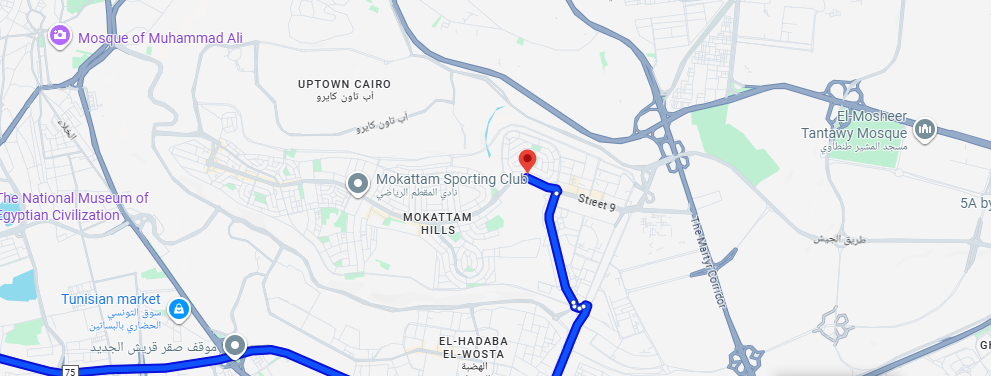
Dr. Mohamed Osman – Cardiologist and Interventional Cardiology Specialist in Mokattam. Provides services including diagnosis and treatment of chronic and acute heart diseases, precise catheterization, echocardiography, 24/48-hour Holter monitoring, and home follow-up for patients.
✨ Dr. Mohamed Osman – Cardiologist & Interventional Cardiology Specialist 🫀
Dr. Mohamed Osman is a specialist in cardiology and interventional cardiology, and a member of the Egyptian and European Cardiology Societies. He has extensive experience in diagnosing and treating chronic and acute heart diseases and ensures precise follow-up for patients after catheterization and surgery to guarantee full recovery.
💬 "Your heart deserves precise care, and we are here to ensure a healthy heart and continuous follow-up."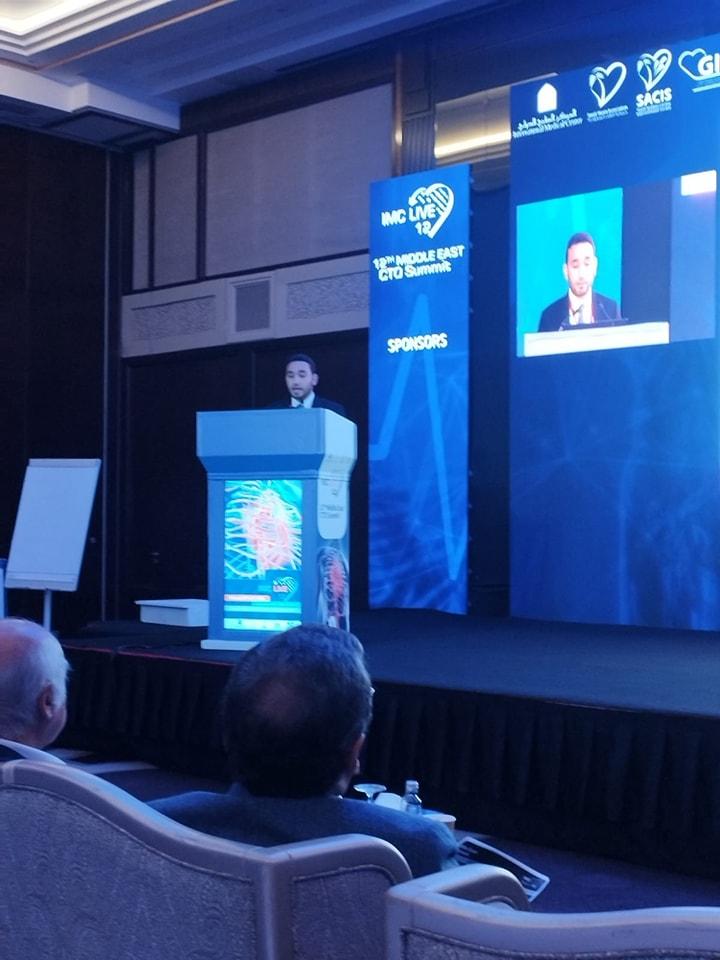
🏥 Services at Dr. Mohamed Osman’s Clinic
Located in the heart of Mokattam, the clinic provides comprehensive cardiac care combining accurate diagnosis, specialized treatment, and continuous follow-up. The clinic is equipped with the latest medical devices to offer precise cardiac services, including:
High-precision echocardiography to monitor heart function.
24/48-hour Holter monitoring to track heart rhythms and detect any irregularities.
Some services can be performed at home to ensure patient comfort and reduce the need for travel.
The clinic offers a professional and comfortable environment, with a trained team capable of managing all heart conditions, whether chronic or critical. It also provides preventive consultations and patient education on how to prevent heart diseases and improve lifestyle habits.
🩺 Consultations and Services – Comprehensive Cardiac Care
1️⃣ Diagnosis and Treatment of Heart Diseases:
Angina: Chest pain due to narrowed coronary arteries, with follow-up for patients with a family history of heart disease.
Heart Muscle Weakness (Cardiomyopathy): Difficulty in pumping blood to organs, with symptoms such as leg swelling, abdominal bloating, shortness of breath, and weight gain due to fluid retention.
Arrhythmias: Recurrent palpitations, irregular heartbeats, dizziness, or fainting.
Chronic Heart Diseases: Follow-up for high blood pressure, high cholesterol, and post-surgery or post-catheterization patients.
2️⃣ Interventional Cardiology (Precise Catheterization):
Accurate diagnosis and treatment of narrowed arteries.
Patient follow-up after catheterization to ensure recovery and reduce risks.
Personalized treatment plans according to each patient’s condition.
3️⃣ Advanced Follow-up and Home Services:
Echocardiography with the latest equipment.
24/48-hour Holter monitoring.
Home follow-up services for patient comfort and safety without needing to leave home.
4️⃣ Preventive Consultations and Patient Education:
Assessment of heart and vascular risk factors.
Nutritional advice and healthy lifestyle guidance for heart health.
Monitoring blood pressure, cholesterol, and blood sugar to prevent complications.
⚡ Dr. Mohamed Osman’s Personal and Professional Skills:
Gentle and professional approach toward patients and their families.
Accurate and comprehensive diagnostic skills for all heart conditions.
Continuous follow-up for chronic and critical cases.
Practical guidance to manage daily symptoms and complications.
Psychological support for patients during treatment and guidance for families on patient care.
🕒 Working Hours:
Monday – Thursday | 7:00 AM – 10:00 PM
Free consultation for two weeks after the initial visit.
📍 Address:
Mokattam – Block 8908 – Street 9 – First Floor – Above Beit Al-Riyada & Al-Sharif Markets – Next to Hosni Restaurant
📞 Contact & Appointments:
01015898955
01142542546
📧 Email: [email protected]
💡 Conclusion – Dr. Mohamed Osman’s Vision:
"We believe that heart health is the foundation of a long and healthy life. Our goal is to provide precise and comprehensive cardiac care for every patient, whether at the clinic or at home, with continuous follow-up and personalized treatment plans. Every consultation and service we provide aims to maintain your heart health, promote a healthy lifestyle, and ensure both psychological and physical well-being for you and your family."
When heart health matters most, expertise makes the difference. In Mokattam, Dr. Mohamed Osman offers advanced cardiac care built on precision, follow-up, and patient-centered treatment.
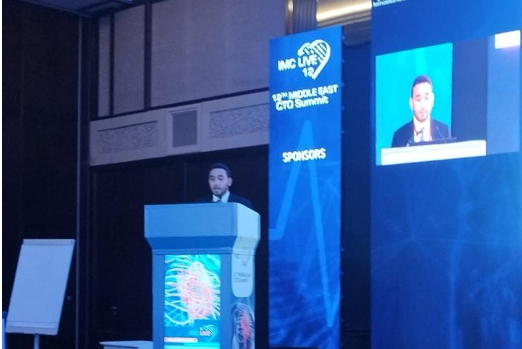
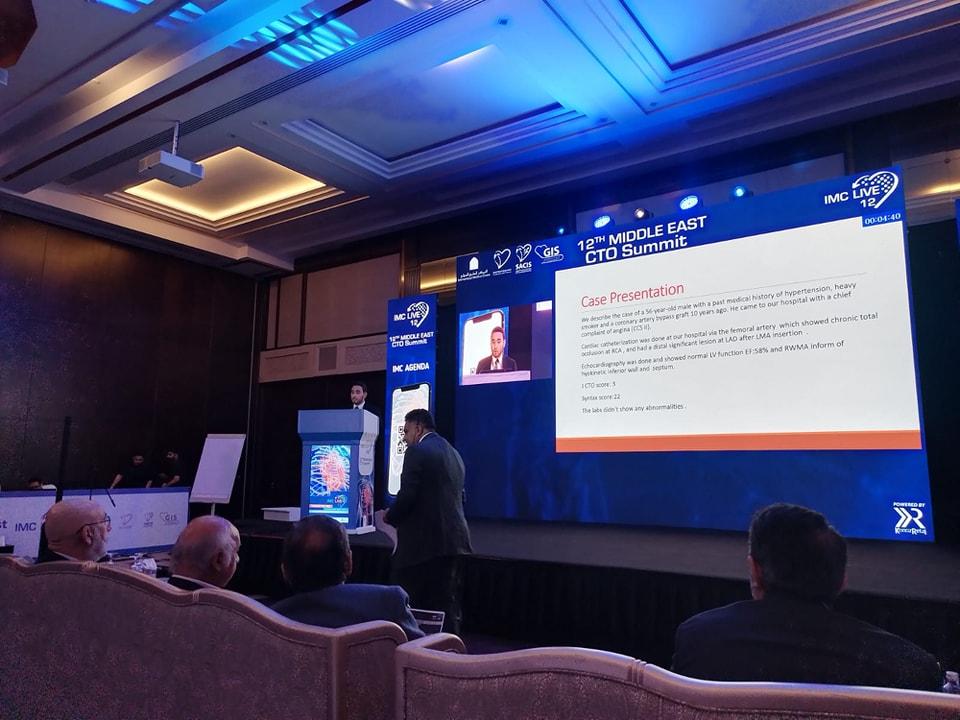
Everything You Need to Know About Cardiac Catheterization in Mokattam with Dr. Mohamed Othman Cardiac catheterization is a precise medical procedure used to diagnose and treat heart diseases. Doctors resort to it to obtain a clear picture of the condition of the coronary arteries and the functions of the heart. In this article, we provide a simplified explanation of cardiac catheterization, when it is recommended, and the differences between its types, along with an introduction to the expertise of Dr. Mohamed Othman – Consultant of Cardiology and Advanced Cardiac Catheterization in Mokattam.
Pregnancy in women with heart conditions requires careful medical supervision to prevent complications. Dr. Mohamed Osman, a cardiology consultant in Mokattam, provides specialized diagnosis and safe treatment plans for heart problems during pregnancy, ensuring continuous care for both mother and baby.

Chemotherapy and radiotherapy are essential cancer treatments, but they can affect heart health. Dr. Mohamed Osman – Consultant of Cardiology and Interventional Cardiology in Mokattam plays a key role in monitoring patients before, during, and after treatment to ensure heart safety and proper function.
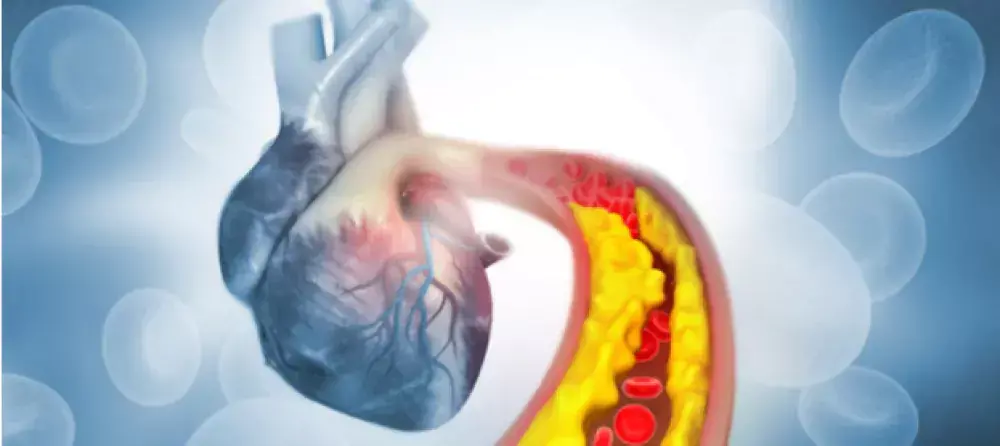
Suffering from chest pain or shortness of breath? Discover how coronary artery narrowing can be treated without surgery using advanced cardiac catheterization, helping you regain your normal life quickly and safely.
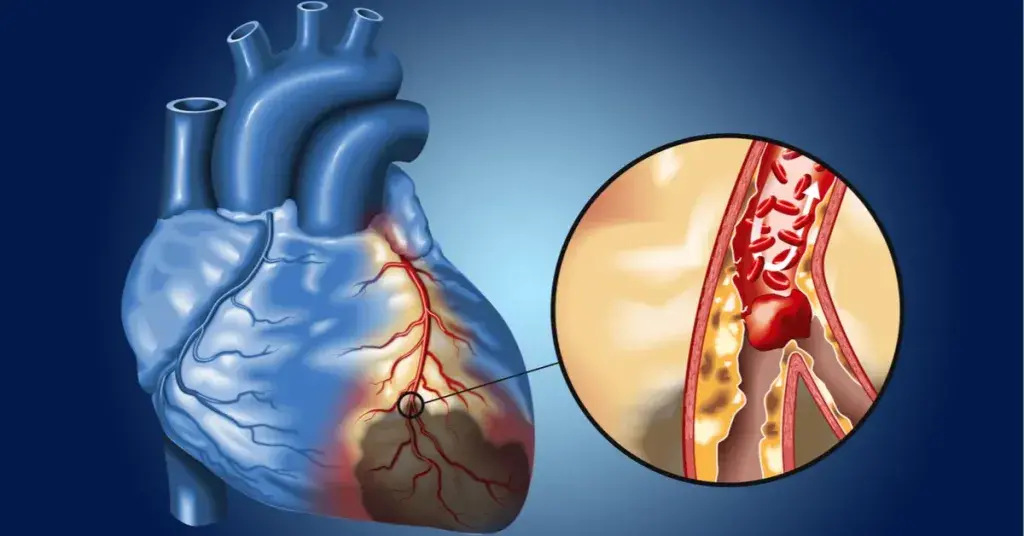
Coronary artery disease (CAD) is one of the most common and serious heart conditions worldwide. It is directly related to the blood supply that feeds the heart muscle with oxygen and nutrients. When the coronary arteries become narrowed or blocked, the amount of blood reaching the heart decreases, leading to symptoms that may start mildly but can progress over time if not properly managed.

A medical article explaining how to manage high blood pressure without complications through accurate diagnosis, continuous follow-up, and lifestyle modifications, while highlighting the importance of blood pressure control in maintaining heart health and reducing future health risks.
Looking for a doctor for diagnosing and treating heart diseases in Mokattam? Dr. Mohamed Osman provides comprehensive cardiac care services, including advanced diagnosis, treatment, and follow-up plans tailored to each patient's needs using the latest medical technologies.
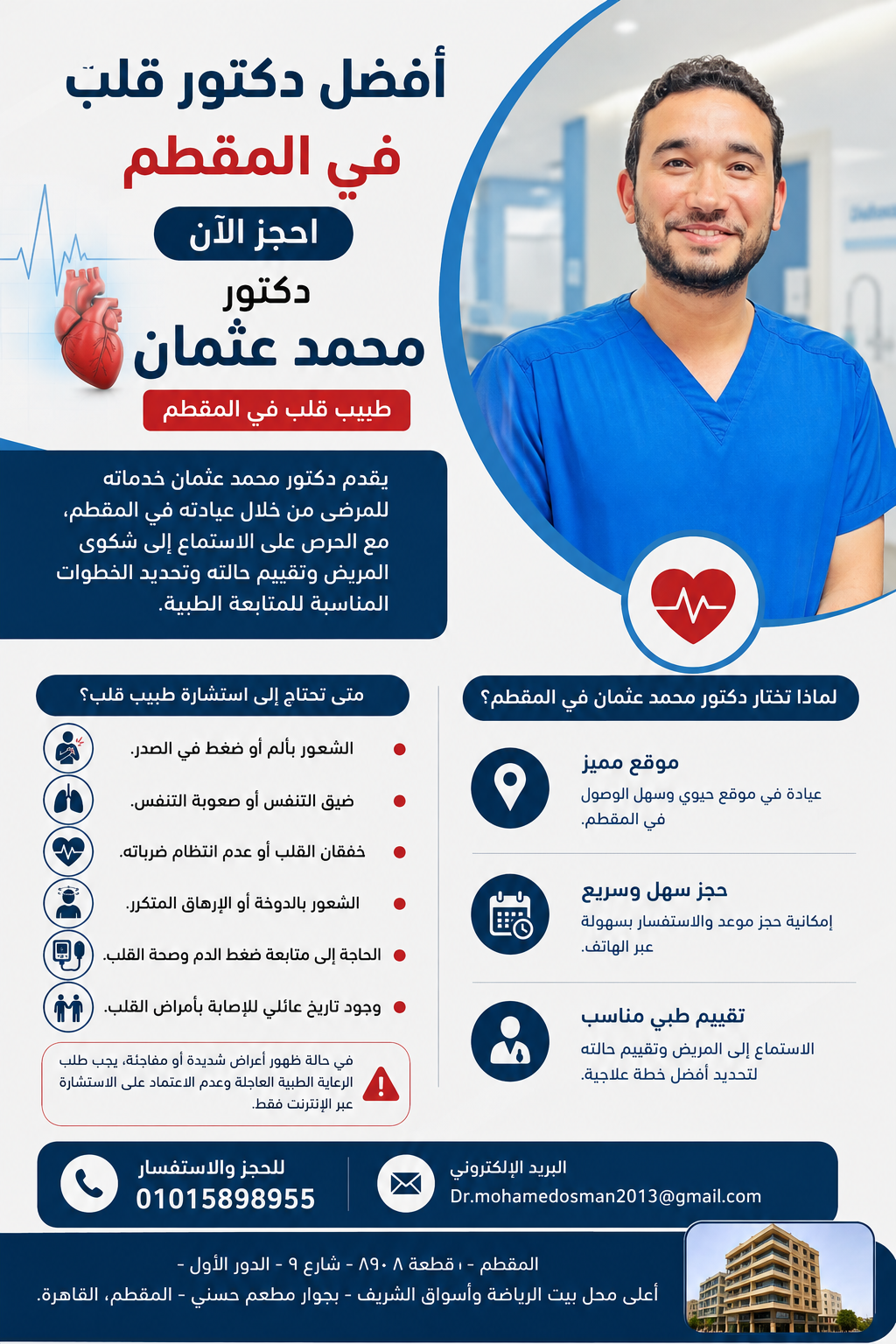
Learn more about Dr. Mohamed Osman, a cardiologist in Mokattam, and benefit from easy appointment booking and communication. The clinic address, phone number, and details are available now.
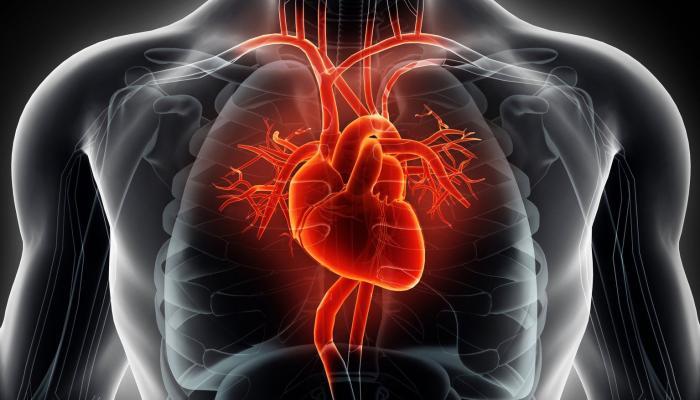
Heart rhythm disorders in Mokattam require accurate diagnosis and proper medical follow-up, especially with recurring palpitations or irregular heartbeat. Learn about the cardiac care services provided by Dr. Mohamed Osman, Consultant of Cardiology and Precise Cardiac Catheterization, including Holter monitoring and echocardiography.
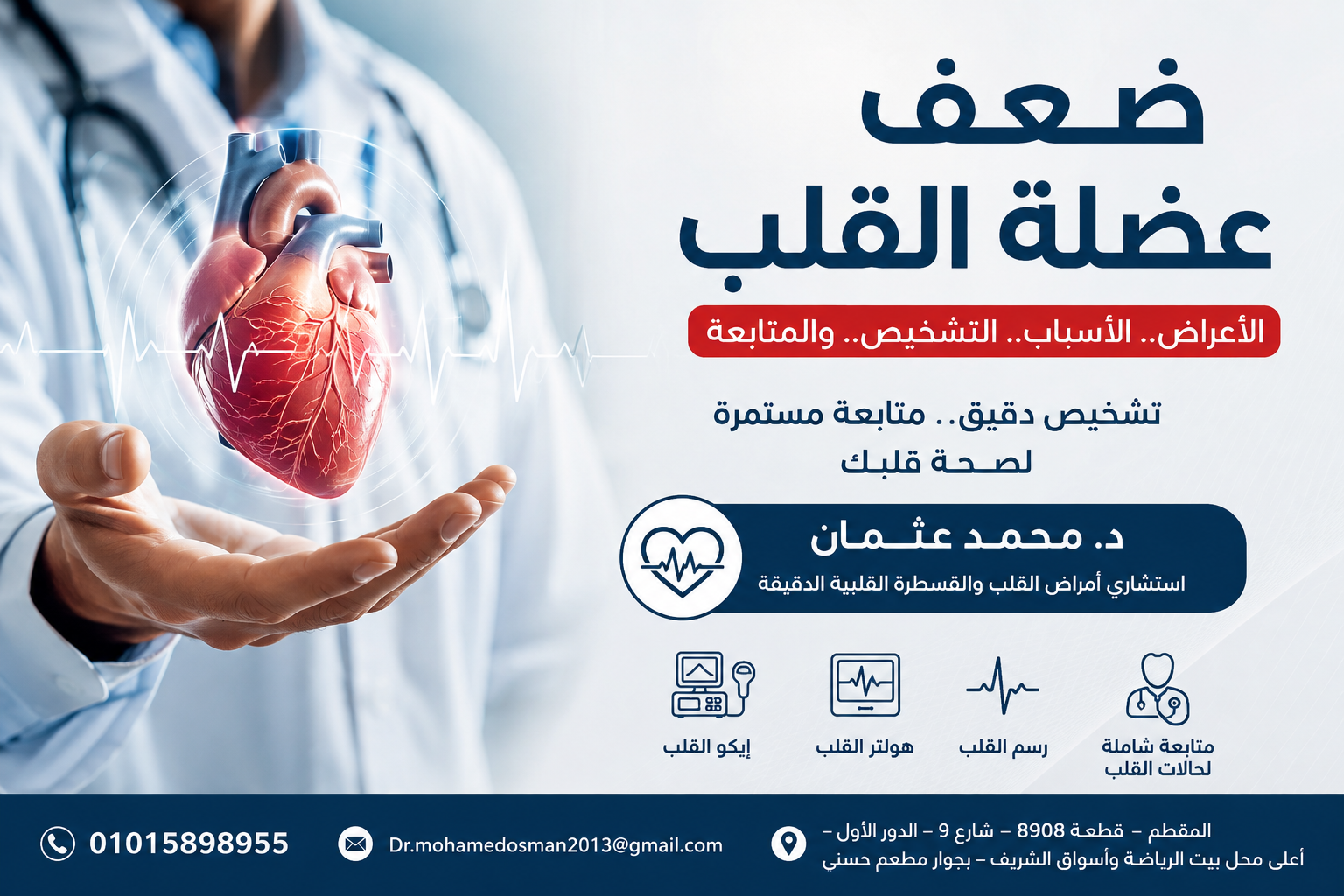
Learn about the causes and symptoms of heart muscle weakness, as well as methods of diagnosis and follow-up with Dr. Mohamed Othman, a cardiologist on 9th Street in Mokattam.
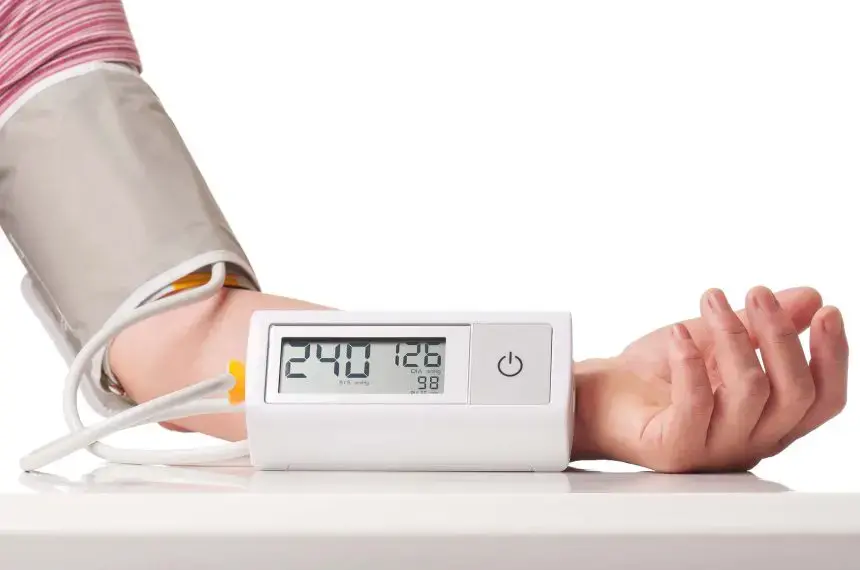
Learn about high blood pressure symptoms, causes, and the importance of regular monitoring with Dr. Mohamed Osman, Consultant Cardiologist and Precise Cardiac Catheterization Specialist in Mokattam.
Yes, a heart patient can work, but it depends on their health condition and the type of work they do. Several factors need to be considered:
Severity of the condition: Patients with mild heart conditions may be able to return to work without any issues, while those with more severe conditions may need adjustments to their tasks or even extended rest.
Type of work: Office jobs or those requiring moderate physical activity may be more suitable for heart patients. On the other hand, jobs requiring heavy physical effort or high psychological stress may not be appropriate.
Medical advice: Patients are advised to consult with their doctor about their ability to work, as the doctor can provide personalized guidance based on the patient's condition.
Workplace adjustments: In some cases, adjustments in the work environment may be necessary, such as reducing work hours or changing job tasks to ensure comfort.
Tips for returning to work:
Yes, a person with heart disease can get married, but there are some important considerations. Generally, the ability of a heart patient to marry depends on their overall health, the type of heart disease they have, and how well their symptoms are controlled. Here are some key points to consider:
Medical Evaluation: It’s important for a heart patient to consult their doctor before getting married. The doctor can assess their overall health and provide advice on managing the condition during marriage.
Communication: Open communication with the partner is crucial regarding the health condition. This helps both partners understand the special needs and challenges the heart patient may face.
Managing Stress: Marriage is a significant event that can cause psychological stress. It’s essential for a heart patient to work on reducing stress levels, as stress can negatively affect heart health.
Physical Activities: Any physical activity restrictions should be discussed with the doctor. Some activities that require intense effort may need to be avoided.
Healthy Lifestyle: Maintaining a healthy lifestyle, which includes a balanced diet, regular exercise, avoiding smoking, and adhering to prescribed medications, can help the heart patient maintain overall health.
Marriage can be a beautiful experience and adds value to an individual’s life, even under health conditions. With proper care and support, a heart patient can enjoy a happy and healthy married life.
To determine if you have a blocked artery, you can monitor a range of symptoms and signs, but it's always essential to consult a doctor for an accurate diagnosis. Here are some signs and symptoms that may indicate a blocked artery:
Chest Pain: Feeling pain or pressure in the chest, also known as angina. This pain may occur during physical activity or periods of stress.
Shortness of Breath: If you experience difficulty breathing during activity or even at rest, this could be a sign that your heart is not receiving enough blood.
Dizziness or Fainting: Frequent dizziness or fainting can be indicators of issues with blood flow.
Pain in the Limbs: Pain or weakness in the arms or legs, especially during activity, may suggest arterial blockage.
General Fatigue: Unexplained tiredness or exhaustion could be due to heart problems.
Necessary Tests
If you experience any of these symptoms, you should visit your doctor. The doctor may perform the following tests:
Electrocardiogram (ECG): To detect any changes in the electrical activity of the heart.
Stress Tests: To assess heart function under physical stress.
X-rays or MRI: To visualize the arteries and determine the extent of the blockage.
Blood Tests: To evaluate cholesterol and other proteins in the blood.
Cardiac arrest, or a heart attack, occurs when the heart stops beating effectively, preventing blood from flowing to vital organs. Several signs may indicate a potential cardiac arrest, including:
Loss of consciousness: The person may suddenly lose consciousness as the lack of blood flow to the brain causes this.
No pulse: There may be no detectable pulse when trying to measure it, which is a key indicator of cardiac arrest.
Abnormal or cessation of breathing: Breathing may become irregular or stop altogether.
Skin color changes: The skin may appear pale or bluish, especially around the lips and extremities, due to a lack of oxygen in the blood.
Preceding symptoms: Before cardiac arrest, the person may experience symptoms like chest pain, shortness of breath, dizziness, or a sudden feeling of fear.
Seizures: In some cases, muscle spasms or seizures may occur due to low oxygen levels in the blood.
If you notice any of these signs: It is crucial to call emergency services immediately and begin cardiopulmonary resuscitation (CPR) if possible, as these actions could be vital for saving a life.
Yes, a patient who has undergone open-heart surgery can live a normal life, but this depends on several factors, including the condition of the heart before the surgery, the type of surgery performed, and the lifestyle adopted after the operation.
Factors influencing life after open-heart surgery:
Recovery from surgery: Recovery typically takes several weeks, and patients need regular medical follow-up to ensure there are no complications.
Lifestyle: Adopting a healthy lifestyle after surgery is crucial, which includes:
Balanced diet: Eating healthy foods like fruits and vegetables and avoiding saturated fats and sugars.
Physical activity: Most patients can resume physical activity after a period of rest, but it's essential to consult with the doctor regarding suitable exercises.
Smoking cessation: Avoiding smoking is essential to improve heart health.
Medical follow-up: Keeping up with follow-up visits to the doctor for necessary check-ups and medication adjustments if needed.
Psychological impact: Some patients may experience anxiety or depression after the surgery, so it's important to consult a mental health specialist if negative feelings affect quality of life.
Research and studies: Studies show that many open-heart surgery patients can return to their daily activities and resume work after a recovery period. High success rates of surgery help patients significantly improve their quality of life.
Heart catheterization is a medical procedure used to diagnose and treat many heart and vascular issues. While it is generally considered safe, there are some risks associated with it, and in rare cases, it may lead to serious complications, including death.
Risks associated with heart catheterization:
General risks:
Bleeding: There may be bleeding at the site where the catheter is inserted.
Infection: There is a risk of infection at the insertion site or in the bloodstream.
Allergic reactions: Some medications or dyes used during the procedure may cause allergic reactions.
Cardiac risks:
Blood clots: Blood clots may form in the heart or blood vessels during or after the procedure.
Arrhythmia: Abnormal heart rhythms may occur due to the procedure.
Rare risks:
Serious complications: In rare cases, complications such as a heart attack or heart failure may occur, potentially leading to death.
Statistics: Studies indicate that the death rate from heart catheterization is very low, ranging from 0.1% to 0.5%, depending on the type of procedure and the patient's overall health condition.
The amount of rest a patient requires after heart catheterization depends on several factors, including the type of procedure performed and the patient's general health. Here are some key points:
Immediate Rest After Catheterization:
After the procedure, the patient is typically advised to rest for 6 to 12 hours. During this time, the patient is closely monitored for any complications, such as bleeding or a drop in blood pressure.
Return to Daily Activities:
Most patients can resume light daily activities after 1 to 3 days following the procedure. However, strenuous activities, such as lifting heavy objects or engaging in intense exercise, should be avoided for up to two weeks or according to the doctor's recommendations.
Following Medical Instructions:
It is essential to follow the doctor's instructions regarding which activities can be done. The patient may be advised to avoid driving for a certain period and should consult their doctor if any unusual symptoms, such as pain or bleeding from the catheter insertion site, occur.
Follow-up Healthcare:
The patient should adhere to follow-up appointments with the cardiologist to ensure full recovery and to assess the effectiveness of the procedure.
Yes, heart stent placement typically requires patients to adhere to lifelong medication to prevent blood clots and avoid potential complications after the procedure.
Common Medications:
Antiplatelet Agents:
Medications such as Aspirin or Clopidogrel are used to reduce the risk of blood clots forming around the stent. Most patients are advised to take these medications for an extended period, and sometimes for life.
Other Medications:
Patients may also need other medications, such as Statins to manage cholesterol levels, and blood pressure medications if necessary.
Importance of Medication Adherence:
Improved Outcomes: Adhering to prescribed medication can improve the results of stent placement and reduce the risk of future heart diseases.
Regular Follow-ups: It is recommended to follow up with the doctor regularly to adjust medications and monitor for any side effects or interactions with other drugs.
The cost of a heart stent procedure can vary significantly depending on several factors, including:
Country and Hospital: Prices differ from country to country and hospital to hospital. In developed countries, the cost might be higher compared to developing nations.
Type of Stent: There are drug-eluting stents (coated with medication to prevent blockage) and regular stents, and the type of stent can impact the price.
Patient's Condition: If there are additional complications that need to be addressed, the cost may increase.
Approximate Estimates:
In Egypt, the cost of a heart stent procedure typically ranges from 40,000 to 50,000 EGP. This cost can vary depending on factors like the type of stent used, the surgeon's experience, and the medical center where the procedure is performed.
In the United States, the cost can range between 30,000 to 50,000 USD, including medical fees, lab tests, and hospital stays.
In some other countries, stent implantation costs may be lower, ranging from about 1,500 to 3,000 USD.
Advice: It is recommended to consult with your treating physician or the hospital's sales department to get accurate estimates based on your specific condition. You can also check with your health insurance provider to understand what is covered.
Catheterization and stents are not the same thing, but they are related.
Cardiac catheterization is a medical procedure in which a thin tube (catheter) is inserted through the arteries to reach the heart. It is used to diagnose or treat heart problems, such as artery blockages.
On the other hand, a stent is a small device that is placed inside the artery after catheterization to keep the artery open after treating the blockage. In other words, catheterization is used for diagnostic or therapeutic purposes, and sometimes a stent is inserted to improve blood flow.
The treatment for leg blood clots depends on the type and size of the clot. Common treatments include:
It is important to consult a doctor immediately if a leg clot is suspected.
Symptoms of coronary artery blockage include:
If these symptoms appear, it is important to seek medical attention quickly to prevent worsening of the condition.
Symptoms of a heart attack include:
If you experience any of these symptoms, you should call emergency services immediately to receive urgent treatment.
Cardiology and vascular disease is a branch of medicine that focuses on diagnosing and treating conditions that affect the heart and blood vessels, such as arteries and veins. This specialty includes the treatment of conditions like coronary artery disease, hypertension, heart attacks, and other diseases affecting the circulatory system.
A cardiologist and vascular specialist treats a wide range of heart and vascular-related conditions. These include coronary artery disease, heart rhythm problems (such as arrhythmia), artery blockages, high blood pressure, heart valve diseases, heart attacks, pericardial infections, and congenital heart defects. They also diagnose and treat heart failure and vascular diseases.
Symptoms of angina include:
Angina refers to temporary reduced blood flow to the heart and could indicate a higher risk of a heart attack, so it’s important to consult a doctor promptly.
Join us now and start developing your business, ensure your best appearance on search engines, and attract the largest number of potential customers.
Contact us now and get the best offers and services provided by Misr Connect!
