Coronary Artery Disease: A Simple Medical Guide to Symptoms, Causes, and Treatment with Dr. Mohamed Othman El-Ghareeb
Coronary artery disease (CAD) is one of the most common and serious heart conditions worldwide. It is directly related to the blood supply that feeds the heart muscle with oxygen and nutrients. When the coronary arteries become narrowed or blocked, the amount of blood reaching the heart decreases, leading to symptoms that may start mildly but can progress over time if not properly managed.

By: Dr. Mohamed Osman
Coronary Artery Disease: A Simple Medical Guide to Symptoms, Causes, and Treatment with Dr. Mohamed Othman El-Ghareeb
Coronary artery disease (CAD) is one of the most common and serious heart conditions worldwide. It is directly related to the blood supply that feeds the heart muscle with oxygen and nutrients. When the coronary arteries become narrowed or blocked, the amount of blood reaching the heart decreases, leading to symptoms that may start mildly but can progress over time if not properly managed.
In an educational medical video, Dr. Mohamed Othman El-Ghareeb, Consultant Cardiologist, explains coronary artery disease in a simplified way, highlighting its main symptoms, risk factors, and modern treatment approaches that help control the condition and reduce complications.
This article is based on the explanation provided in the video, rewritten in a clear and simplified medical style for better understanding.
What is Coronary Artery Disease?
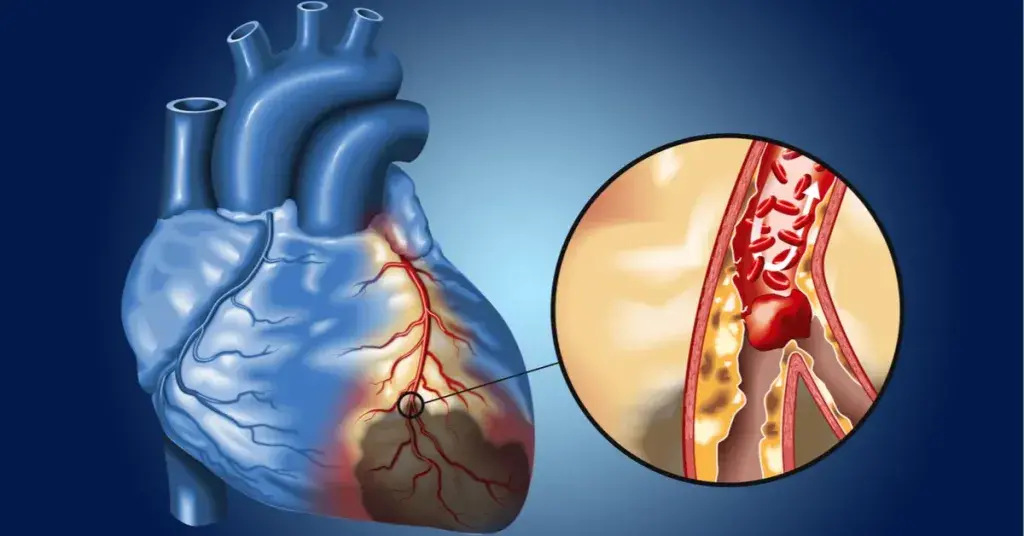
Coronary artery disease is a condition that occurs when the blood supply to the heart muscle is reduced due to narrowing or blockage in the coronary arteries, which are responsible for supplying oxygen-rich blood to the heart.
The heart, like any other muscle in the body, requires a continuous supply of oxygen and nutrients. When blood flow decreases, the heart muscle begins to struggle, leading to symptoms such as chest pain or shortness of breath.
Dr. Mohamed Othman explains that this condition usually does not appear suddenly. Instead, it develops gradually over years due to the buildup of fat and cholesterol inside the artery walls.
How Does Coronary Artery Disease Develop?
The coronary artery can be imagined as a pipe that carries blood to the heart. Over time, fatty deposits may accumulate inside this pipe, causing it to become narrower.
The narrower the artery becomes, the less blood reaches the heart. When the narrowing becomes severe, symptoms start to appear clearly.
In some cases, a complete blockage may occur, which can lead to angina (chest pain) or a heart attack.
Symptoms of Coronary Artery Disease
Symptoms may vary from person to person, but the most common include:
Chest pain or pressure, especially during physical activity
Shortness of breath
Unexplained fatigue
Rapid exhaustion during simple activities
Pain radiating to the arm, shoulder, or jaw
Excessive sweating without clear reason
Nausea or general discomfort
Some patients, especially those with diabetes, may not experience typical chest pain, making early diagnosis very important.
When is Chest Pain Dangerous?
Immediate medical attention is required in the following cases:
Severe chest pain that does not improve with rest
Pain lasting more than a few minutes
Sudden severe shortness of breath
Dizziness or fainting
These symptoms may indicate a heart attack and require emergency care.
Risk Factors of Coronary Artery Disease
Controllable factors:
Smoking
High blood pressure
High cholesterol
Diabetes
Obesity
Physical inactivity
Chronic stress
Non-controllable factors:
Age
Genetics
Gender
Controlling risk factors can significantly reduce the risk of disease progression.
Diagnosis
Diagnosis may include:
ECG (Electrocardiogram)
Stress test
Blood tests
Coronary imaging
Cardiac catheterization (in some cases)
Early diagnosis helps prevent complications and heart damage.
Treatment
Medical treatment:
Improving blood flow
Lowering blood pressure
Reducing cholesterol
Preventing blood clots
Lifestyle changes:
Quitting smoking
Healthy diet
Regular exercise
Weight control
Stress reduction
Advanced treatment:
Cardiac catheterization
Heart surgery (in severe cases)
Prevention
Prevention includes:
Regular exercise
Healthy eating habits
Routine medical checkups
Avoiding smoking
Reducing sugar and fat intake
Silent Disease Possibility
In some cases, coronary artery disease may not show symptoms and is only discovered during routine medical exams.
Conclusion
Coronary artery disease is a progressive condition that affects blood flow to the heart. Early detection, lifestyle changes, and proper treatment play a major role in preventing serious complications.
Heart health depends on awareness, prevention, and regular follow-up rather than waiting for symptoms to appear.
Video
Looking for the best dentist in Heliopolis? Discover the advanced dental services offered by Dr. Mohamed Asfour, including dental implants, fixed prosthetics, cosmetic dentistry, and comprehensive dental treatments using the latest technologies. Book your appointment now by calling 01017055547.

Looking for a trusted dental implant specialist in Nasr City? Dr. Sherif Taher Hegazy offers advanced dental implant solutions using modern digital technology, backed by over 20 years of experience and personalized treatment plans for long-lasting, natural-looking results.
Discover the services of Dr. Ashraf Darwish, the best oral surgeon in Beheira, with over 14 years of experience in oral and dental surgery, dental implants, and orthodontics, using the latest advanced technologies.

Dr. Tarek El Monofy is a Consultant Ophthalmologist and Eye Surgeon in Zahraa El Maadi, providing advanced diagnosis and treatment for eye diseases, vision correction, cataract surgery, and retinal treatments using the latest medical technologies.
