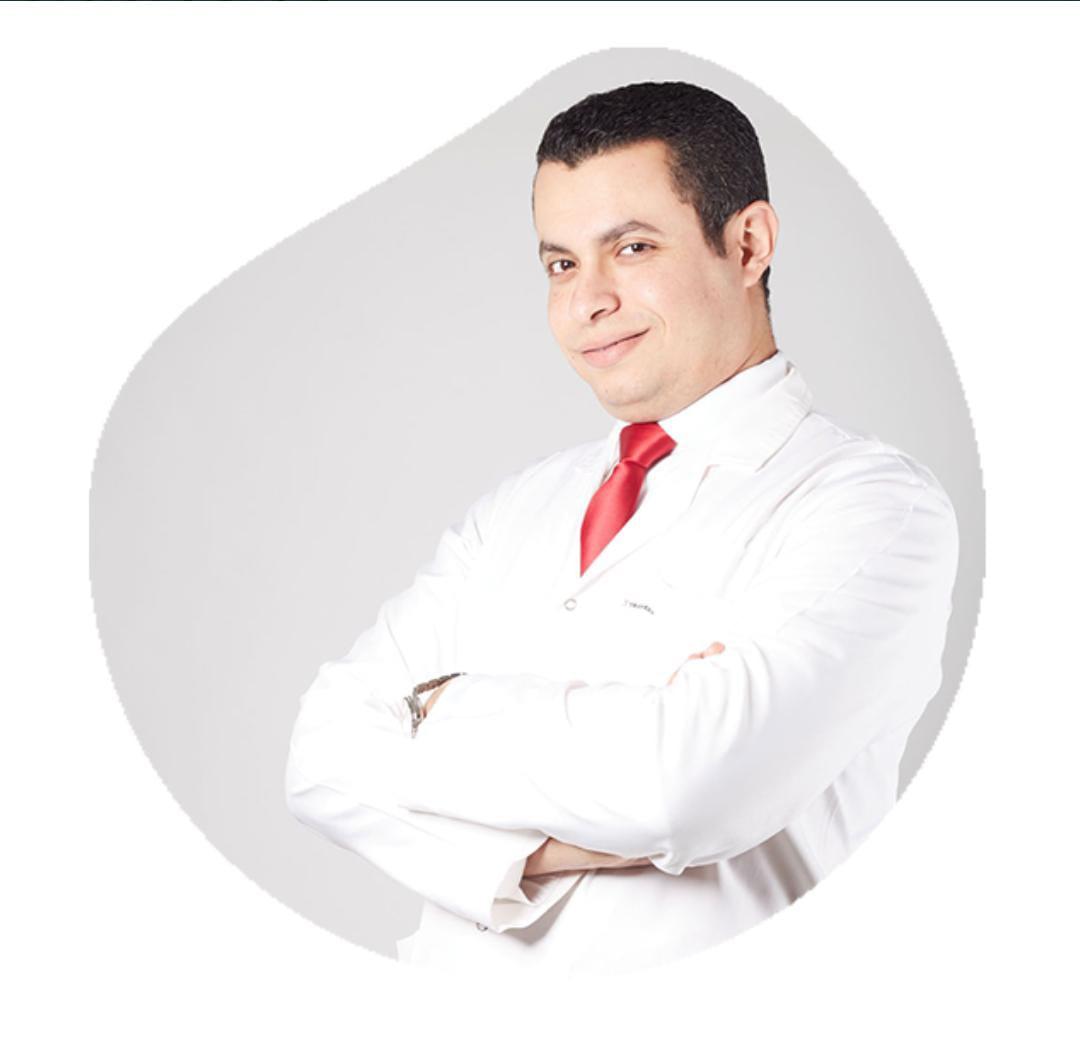
Dr. Ahmed Al-Najjar

Dr. Ahmed Al-Najjar

Dr. Ahmed Al-Najjar

Ophthalmologists Giza, Mohandisin
Egypt's #1 Verified Directory Verified Information
Contact
Available Now
Book Appointment / Phone
Address

24 Arabian Peninsula Street, Mohandessin,, Mohandisin, Giza

Follow Us
Overview

Consultant in Ophthalmology

Full Name Dr. Ahmed Al-Najjar
City / Area Giza , Mohandisin
Description
  • Dr. Ahmed Al-Najjar

    Specialty: Consultant in Ophthalmology
    Subspecialties: Adult and Pediatric Eye Surgeries, Laser Vision Correction (LASIK and FemtoSmile), Cataract Surgery, and Corneal Transplantation

    About Dr. Ahmed Al-Najjar: Dr. Ahmed Al-Najjar is one of the most prominent ophthalmic surgery consultants in Egypt and the Arab world, with over 15 years of experience in the field of ophthalmology and eye surgery. He is renowned for his exceptional skills in performing precise surgeries and vision correction, as well as his ability to provide innovative solutions for various eye conditions.

    Throughout his career, Dr. Al-Najjar has contributed to numerous scientific research studies published in global and local medical journals, significantly advancing eye treatments. He has also participated in various international conferences in Europe and the United States, further cementing his status as a leader in the field of eye surgery.

    Academic and Professional Qualifications:

    Fellow of the Royal College of Ophthalmologists, Edinburgh, United Kingdom

    Member of the American Academy of Ophthalmology

    Member of the Egyptian Ophthalmological Society

    Member of the American Society of Cataract and Refractive Surgery (ASCRS)

    Member of the European Society of Cataract and Refractive Surgeons (ESCRS)

    Specialties and Medical Services:

    Laser Vision Correction: LASIK and FemtoSmile

    Cataract Surgery: Utilizing the latest techniques in lens implantation

    Keratoconus Surgeries: Including corneal transplantation and corneal ring implants

    Retina Disease Treatment

    Strabismus (Squint) and Eyelid Correction: For both children and adults

    Glaucoma (Ocular Hypertension) Treatment: Using the latest medical technologies

    Professional Achievements:

    Performed over 50,000 laser vision correction surgeries, with great success in treating more than 1,000 ophthalmologists and their families

    Completed more than 30,000 laser cataract surgeries

    Contributed to over 40 scientific studies in collaboration with the U.S. Food and Drug Administration (FDA)

    Authored and published more than 190 scientific papers in the field of corneal diseases and ophthalmic surgery

    Dr. Ahmed Al-Najjar's Ophthalmology and Surgery Center: Dr. Ahmed Al-Najjar’s center is one of the leading specialized medical centers for the treatment and surgery of eye conditions in Egypt. The center boasts state-of-the-art equipment, including the latest microscopic examination devices and advanced surgical suites. The center offers comprehensive services, including laser vision correction, cataract surgeries, and corneal transplants.

    Location:
    Dr. Ahmed Al-Najjar’s center is located in the Mohandessin district, Giza, one of the most prestigious and top-rated eye clinics in Egypt.

    Who is Dr. Ahmed Al-Najjar?

    Dr. Ahmed Al-Najjar is a pioneering consultant in ophthalmology and eye surgery in Egypt and the Arab world. With over 15 years of extensive experience, he has become renowned for his high proficiency in performing complex and advanced surgeries. Dr. Al-Najjar is one of the leading doctors who has contributed to the development of eye surgery techniques, particularly in laser vision correction, keratoconus treatment, and lens implantation. In addition to his participation in numerous scientific research studies and international conferences, Dr. Al-Najjar is a trusted expert in his field and is frequently sought after for medical advice and expertise.

    Summary: Dr. Ahmed Al-Najjar is one of the top eye doctors in Egypt and the Arab world, known for his vast experience and excellent reputation in precise eye surgeries. Through his participation in global scientific research and his use of the latest technologies in treating and correcting vision problems, he has provided innovative medical solutions to thousands of patients. His advanced medical center offers comprehensive services across various ophthalmic specialties, making it a distinguished destination for those seeking the best eye care.

     

FAQ

FAQ

Comprehensive and direct answers to the most frequently asked questions about available services and specialties.

Egypt's #1 Verified Directory

The symptoms of eye inflammation vary depending on its cause and type, but generally include:

1. Redness: This occurs due to the dilation of blood vessels in the eye.

2. Itching and burning: Itching or a burning sensation may indicate eye inflammation.

3. Swollen eyelids: Swelling may occur in either the upper or lower eyelid.

4. Discharge: Clear, yellow, or green discharge may appear from the eye, especially upon waking.

5. Increased tearing: Tears may increase due to irritation in the eye.

6. Feeling of a foreign body in the eye: The person may feel as though something is stuck in the eye, even if there is nothing there.

7. Light sensitivity: Looking at light may become uncomfortable due to inflammation.

8. Blurred vision: Inflammation can cause temporary blurred vision.

9. Eye pain: Mild or severe pain may accompany eye inflammation, especially if swelling is present.

If these symptoms occur or worsen, it is recommended to consult an ophthalmologist for diagnosis and appropriate treatment, as neglecting the inflammation can lead to complications affecting eye health and vision.

Eye Allergies:

  1. Causes itching, redness, and increased tearing.
  2. Other symptoms include mild swelling of the eyelids and a burning sensation.
  3. Causes include dust, pollen, smoke, or pet dander.
  4. Treatment: Avoiding triggers, using antihistamine eye drops, and applying cold compresses to reduce redness.

Eye Infections:

  1. Caused by bacterial, viral infections, or internal inflammation in the eye.
  2. Symptoms include severe redness, pain, yellow or green discharge, and light sensitivity.
  3. Treatment: Bacterial infections require antibiotics, while viral infections need antiviral medications.
  4. See an eye doctor if symptoms persist or are severe.

Yes, eye infections can be dangerous if not treated in time. Severe eye infections, especially bacterial or viral, can affect vision or cause permanent damage to the eye.

When is an eye infection dangerous?

  1. Severe eye pain.
  2. Blurry or partial loss of vision.
  3. Severe light sensitivity.
  4. Yellow or green discharge.
  5. Symptoms persisting for more than two days without improvement.

Complications if the infection is untreated:

  1. Corneal ulcers affecting vision.
  2. Spread of the infection to other parts of the eye.
  3. Permanent vision impairment.
 
  1. Follow the doctor’s instructions: Be sure to follow your doctor’s advice carefully, such as using the prescribed eye drops, to reduce the risk of infections and speed up recovery.
  2. Avoid rubbing your eyes: Rubbing your eyes can affect healing and cause vision problems, so try to avoid it completely.
  3. Avoid exposure to dust and water: After LASIK surgery, stay away from dusty places, and avoid swimming or showering in deep water to prevent any risks.
  4. Rest your eyes: Try to limit screen time (mobile, computer) in the first few days to reduce eye strain.
  5. Get enough rest and sleep: Good sleep helps rejuvenate cells and maintain eye health, speeding up the healing process.
  6. Follow up with your doctor: Keep your follow-up appointments to ensure the recovery is going smoothly.

By following these tips, you'll help maintain your eye health and ensure that your LASIK surgery was successful. If you notice any changes in your vision or experience unusual symptoms, don’t hesitate to consult your doctor immediately.

Certainly! Here's the translation tailored to be simple, professional, and relatable for the Egyptian audience:

Sleep plays a vital role in relaxing and rejuvenating the eyes. During sleep, the eyes get a much-needed break from constant exposure to light, screens, and daily stress. This period allows the muscles around the eyes to relax and regain their energy.

Moreover, sleep helps regenerate cells in the eye tissues and improves blood circulation, providing essential nutrients and oxygen for eye health. Good sleep also reduces the risk of eye problems caused by strain, such as dryness and redness, leaving your eyes healthier and more refreshed when you wake up.

Yes, sleep is one of the most important ways to relax the eyes and help them recover, maintaining their health. During sleep, the eyes get a break from continuous exposure to light, screens, and the visual strain caused by focusing throughout the day.

How does sleep contribute to eye comfort?

  1. Tissue Renewal: During sleep, the tissues and cells of the eyes regenerate, helping repair any minor damage caused by dryness, dust, or strain.

  2. Eye Moisturization: Sleep helps in the secretion of natural tears that moisturize the surface of the eye, reducing the risk of dry eye.

  3. Reducing Visual Fatigue: Sleep relaxes the eye muscles that get fatigued during long hours of work or screen use, thus minimizing the chances of visual fatigue.

  4. Enhancing Retina Health: Quality sleep supports retina health and maintains eye pressure balance, reducing the risk of eye diseases.

LASIK is a surgical procedure designed to correct vision problems like nearsightedness, farsightedness, and astigmatism. It uses laser technology to reshape the cornea, the clear layer covering the front of the eye. Here's how it works:

1. Reshaping the cornea: The laser reshapes the cornea to focus light properly on the retina, improving vision. For nearsightedness, tissue is removed from the center of the cornea to reduce curvature. For farsightedness, tissue is removed from the edges to increase curvature.

2. Improved vision: After the procedure, many patients can stop using glasses or contact lenses. Vision typically improves immediately after surgery and continues to get better in the following days.

3. Quick recovery: The procedure is not very painful, and most patients can return to their normal activities within a day or two.

4. Reduced reliance on visual corrections: The goal of LASIK is to reduce or eliminate the need for glasses or contact lenses, offering more freedom in daily life.

5. Pre-surgery evaluation: Before the surgery, a thorough eye exam is conducted to ensure the patient is a suitable candidate. This includes measuring corneal thickness and overall eye health.

6. Risks and side effects: While LASIK is beneficial, it's not without risks. Possible side effects include temporary dry eyes, halos around lights, difficulty seeing at night, or the need for additional surgeries to further improve vision.

Temporary dry eyes.
Halos around lights.
Difficulty seeing at night.
The possibility of needing additional surgeries to further improve vision.

Recovery time after LASIK surgery varies from person to person, but generally, here's what to expect:

1. Immediate recovery: Right after the surgery, you may feel some discomfort or blurry vision, but most people start to notice clear improvement within a few hours.

2. Recovery in the first few days: During the first few days after the surgery, most people can return to regular activities like office work. However, it's better to rest and avoid strenuous activities.

3. Full vision recovery: Around a week after the surgery, your vision will start to improve noticeably, but some people may need a week or two for their vision to stabilize even more.

  • Ongoing improvement: Your vision may continue to improve for weeks or even months after the surgery.

Post-surgery tips:

1. Don’t rub your eyes.

2. Use the prescribed eye drops to reduce dryness.

3. Wear sunglasses to protect your eyes.

4. Avoid strenuous activities like swimming or intense sports for a while.

Follow-up care: It’s important to follow up with your doctor after the surgery to ensure proper healing.

Does using a mobile phone weaken vision after LASIK?

After LASIK surgery, using a mobile phone won't directly weaken your vision, but here are some tips to follow:

1. Rest for your eyes: After the surgery, your eyes may be a bit sensitive, so it's best to reduce screen time in the first few days.

2. Eye strain: Prolonged mobile use can cause eye strain, which may lead to discomfort or temporary blurry vision. This can happen even without LASIK surgery.

3. Lighting: Make sure the lighting you're using while looking at your phone is good. Poor or harsh lighting can increase eye strain.

4. Hygiene and care: After the surgery, it's important not to rub or touch your eyes. Reducing mobile phone use can help minimize the risk of accidentally touching your eyes.

5. Rest breaks: Follow the 20-20-20 rule: Every 20 minutes of mobile use, look at something 6 meters away for 20 seconds. This helps reduce eye strain.

Summary: Using a mobile phone after LASIK surgery isn't dangerous in itself, but by following these tips, you'll minimize any strain or discomfort. If you experience any vision problems after the surgery, it's best to consult your eye doctor.

After LASIK surgery, there are certain things to avoid to ensure quick healing and prevent any issues:

1. Rubbing your eyes: Avoid rubbing your eyes as it can affect the healing process.

2. Water in the eyes: Avoid getting water in your eyes, whether from showers or swimming pools.

3. Cosmetics: It's better to avoid using makeup or any cosmetics around the eyes in the first few days.

4. Intense physical activities: Avoid intense sports or swimming for at least one to two weeks.

5. Exposure to dust and smoke: Try to stay away from places with a lot of dust or smoke.

6. Using screens for long periods: Limit your use of phones and computers in the first few days.

7. Driving: If your vision is unstable, avoid driving.

8. Using eye drops without consulting your doctor: Do not use any eye drops without your doctor's approval.

Summary: Following these tips will help speed up the healing process. If you have any concerns, don't hesitate to consult your eye doctor.

Sure! Here's a professional yet simple and easy-to-understand translation, tailored for an Egyptian audience:

LASIK is not painful, and most people don’t feel pain. You might feel some pressure in your eye, but that's because the eye will be numbed with drops before the procedure. After the procedure, you might feel a slight burning or like something strange in your eye, but this usually goes away quickly.

More Details:

During the Procedure:
Before starting, the doctor will apply numbing drops to your eyes so you won’t feel pain. You might feel some pressure or an odd sensation, but the procedure itself isn’t painful.

After the Procedure:

1. Burning or Tingling Sensation: After the procedure, you might feel some burning or as if something is in your eye. This is completely normal and should go away within hours.

2. Blurry Vision: In the first few hours after the procedure, your vision might not be 100% clear, but that clears up over time.

3. Redness in the Eyes: Some people experience redness in their eyes after the procedure, but it disappears within a couple of days.

Pain and Comfort:
If you feel mild discomfort after the procedure, the doctor might recommend some light pain relievers. It's also important to rest and avoid straining your eyes in the first few days after the procedure.

When to See the Doctor:
If you feel severe pain, if the symptoms last for a long time, or if anything unusual happens like vision loss or bleeding, you should see the doctor immediately.

This procedure is simple, safe, and can greatly improve your vision. Just make sure to rest your eyes and follow up with your doctor in the first few days after the procedure.

Search Directory
