EEG and Epilepsy in Ain Shams | Dr. Hatem Anwar Ismail
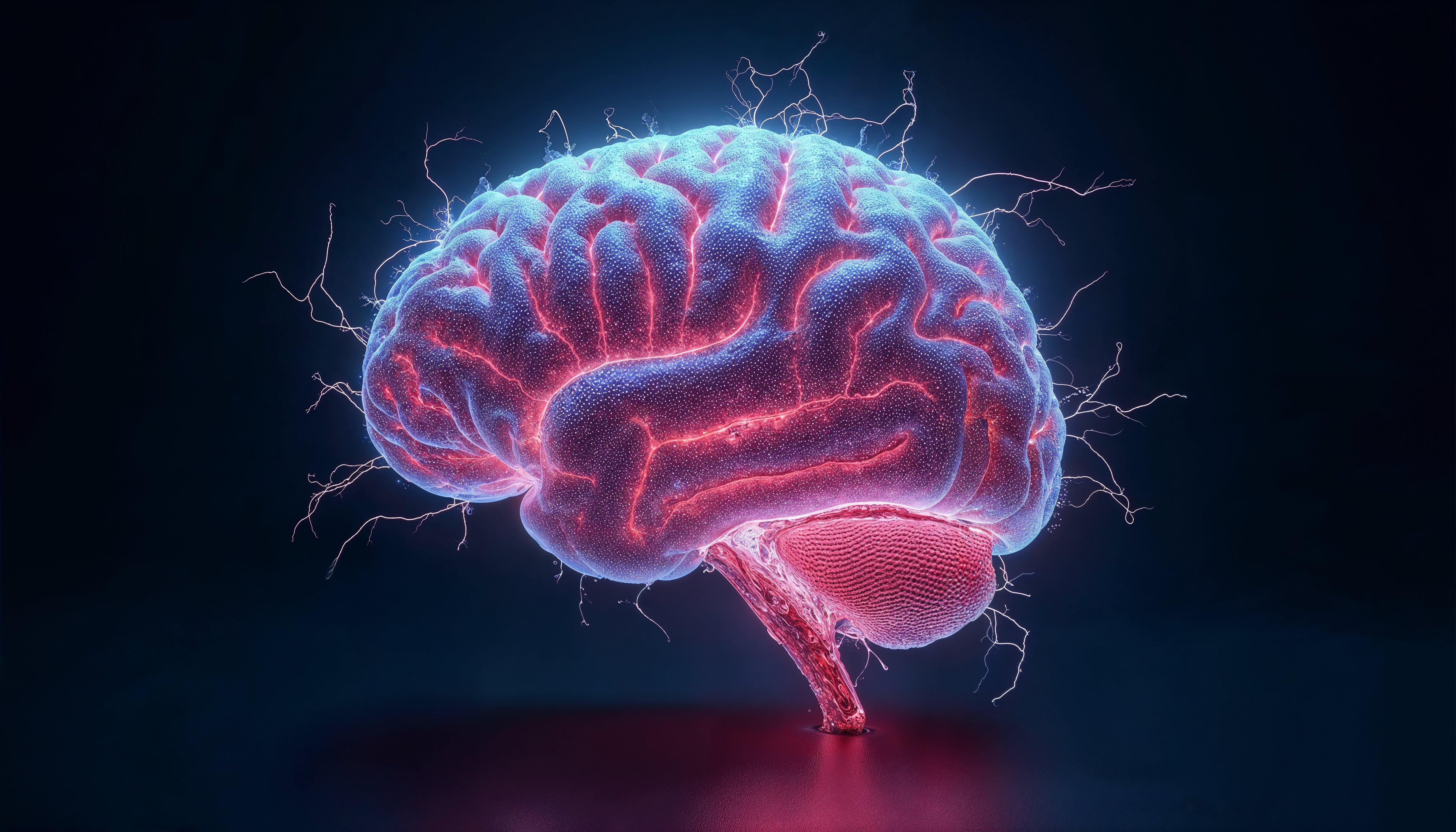
EEG testing in Ain Shams may help neurologists evaluate brain electrical activity in patients with suspected epilepsy, seizures or unexplained loss of consciousness. Learn about EEG testing, its role in epilepsy assessment and when a patient may need the test.

By: Dr. Hatem Anwar Ismail
EEG and Epilepsy in Helmeyet El-Zeitoun | Dr. Hatem Anwar Ismail
Contact Information for Dr. Hatem Anwar Ismail
Consultant in Neurology, Psychiatry, and Addiction Treatment.
📞 For inquiries and appointments:
📍 Clinic Address:
41 Ain Shams Street, El-Naam Square, Helmeyet El-Zeitoun.
🕒 Working Hours:
Saturday to Wednesday, from 7:00 PM to 11:00 PM.
Thursday and Friday are off.
EEG and Epilepsy in Helmeyet El-Zeitoun
If you are looking for an EEG test in Ain Shams because of seizures, loss of consciousness, or recurrent unexplained symptoms, consulting a neurologist can help determine the possible causes of the symptoms and identify the appropriate medical tests. EEG and epilepsy assessment in Ain Shams are common topics searched by patients and their families who want to understand the role of an EEG in evaluating brain electrical activity and assisting in the diagnosis of certain types of epilepsy and seizures.
Electroencephalography (EEG) records the brain's electrical activity through small electrodes placed on the scalp. The test may help doctors evaluate certain types of seizures and abnormalities in brain electrical activity. However, an EEG result is not used alone to diagnose epilepsy. Instead, it is interpreted together with the patient's symptoms, medical history, and neurological examination.
Dr. Hatem Anwar Ismail, Consultant in Neurology, Psychiatry, and Addiction Treatment, provides specialized medical assessment for neurological and psychiatric conditions and develops treatment plans according to the nature of each patient's condition.
What Is an EEG?
Electroencephalography (EEG) is a medical test that records the electrical activity of the brain using electrodes placed on the scalp.
Doctors use this test to help evaluate certain neurological conditions, especially when symptoms may be related to abnormal electrical activity in the brain.
An EEG may be useful in evaluating conditions such as:
-
Epilepsy.
-
Seizures.
-
Certain cases of unexplained loss of consciousness.
-
Unexplained disorders of consciousness.
-
Certain types of recurrent seizures.
-
Conditions requiring evaluation of brain electrical activity.
The test is non-invasive and does not require any device to be inserted into the brain.
What Is the Relationship Between EEG and Epilepsy?
EEG is related to epilepsy because some types of epilepsy may be associated with abnormal electrical activity in the brain that can be detected during the test.
However, a normal EEG does not necessarily mean that a person does not have epilepsy, because abnormal electrical activity may not occur during the period when the EEG is being recorded.
Therefore, the diagnosis of epilepsy depends on several factors and not on the EEG result alone.
The doctor considers the description of the seizure, its duration, symptoms before, during, and after the episode, the patient's medical history, neurological examination, and the results of appropriate investigations.
When Does a Patient Need an EEG?
A neurologist may request an EEG in Ain Shams when symptoms require an evaluation of the brain's electrical activity.
Situations that may require an EEG include:
Seizures
When a person experiences seizures or recurrent involuntary movements, an EEG may help evaluate the possibility of abnormal electrical activity.
Loss of Consciousness
In some cases of unexplained loss of consciousness, an EEG may be one of the tests requested by the doctor based on the medical assessment.
Recurrent Episodes
When a person experiences recurrent episodes without a clear explanation, an EEG may be used as part of a group of investigations to help evaluate the condition.
Suspected Epilepsy
When symptoms suggest the possibility of epilepsy, the doctor may recommend an EEG to assist with the medical evaluation and diagnosis.
What Are the Symptoms of Epilepsy?
Epilepsy symptoms vary from one person to another and may depend on the type of seizure and the area of the brain affected.
Symptoms may include:
-
Loss of consciousness.
-
Brief periods of staring.
-
Seizure-like movements.
-
Muscle stiffness.
-
Involuntary movements.
-
Temporary inability to respond.
-
Changes in sensation.
-
Unusual sensations before a seizure.
-
Confusion after a seizure.
-
Fatigue or sleepiness after some seizures.
Not every seizure-like episode means that a person has epilepsy. Therefore, the condition should be evaluated by a qualified specialist.
Does an Abnormal EEG Result Mean Epilepsy?
Not necessarily.
Certain changes may appear on an EEG without necessarily indicating that the person has epilepsy.
Conversely, an EEG may be normal in a person with epilepsy if abnormal electrical activity does not occur during the recording.
Therefore, the EEG result must be interpreted in the context of the patient's symptoms, medical history, and neurological examination.
How Is an EEG Performed?
A series of electrodes is placed on the scalp to record the electrical activity of the brain.
The patient sits or lies comfortably while the test is performed, and the device records brain electrical activity for a specific period of time.
Depending on the type of EEG and the protocol being used, the doctor may ask the patient to open and close their eyes or perform breathing exercises for a short period.
Is an EEG Painful?
An EEG is generally painless because it is a non-invasive test.
The patient may experience minor discomfort from having the electrodes placed on the scalp or from preparing the skin before the test.
No electrodes or devices are inserted into the brain during the examination.
How Should a Patient Prepare for an EEG?
Preparation instructions depend on the type of EEG required.
The doctor may advise the patient to:
-
Wash their hair before the test.
-
Avoid using certain hair products.
-
Follow specific sleep instructions if a sleep EEG is required.
-
Follow the doctor's instructions regarding medications.
Patients should not stop epilepsy medications or change their dosage on their own for the purpose of undergoing an EEG.
What Does an EEG Result Mean?
The doctor interprets the EEG result in light of the patient's symptoms, medical history, and neurological examination.
Additional tests may be required depending on the condition, such as brain MRI, certain laboratory tests, or other neurological investigations.
The goal of the assessment is to reach an appropriate diagnosis rather than relying on the result of a single test.
Epilepsy Treatment
Epilepsy treatment depends on the type of seizures, the diagnosis, and other factors determined by the neurologist.
Treatment may include anti-seizure medications, along with medical follow-up to evaluate the patient's response to treatment.
In some cases, the patient may require additional investigations or specialized evaluation.
It is important not to stop epilepsy medication suddenly or change the dosage without consulting a doctor.
When Is a Seizure a Medical Emergency?
Some seizures require urgent medical attention, especially if the seizure lasts for a prolonged period, if seizures occur repeatedly without the person regaining consciousness, if a serious injury occurs during the seizure, or if it is the patient's first known seizure.
In emergency situations, urgent medical assistance should be requested.
Do not attempt to restrain the person during a seizure or place anything inside their mouth.
When Should You Visit a Neurologist in Helmeyet El-Zeitoun?
Consulting a neurologist is recommended when there are:
-
Recurrent seizures.
-
Unexplained loss of consciousness.
-
Repeated episodes of staring or inability to respond.
-
Recurrent involuntary movements.
-
New neurological symptoms.
-
Recurrent episodes without a clear explanation.
The doctor can determine whether the patient needs an EEG in Ain Shams or other medical investigations.
The Importance of Accurate Epilepsy Diagnosis
Some epilepsy symptoms may resemble other medical conditions. Therefore, diagnosis should not be based on symptoms alone or on an EEG result in isolation.
Dr. Hatem Anwar Ismail takes a comprehensive approach to evaluating each patient by reviewing symptoms, medical history, and test results to reach an appropriate medical assessment and develop a treatment plan based on the patient's needs.
Book Your Appointment With Dr. Hatem Anwar Ismail in Helmeyet El-Zeitoun
If you experience recurrent seizures, loss of consciousness, or unexplained episodes, evaluation by a neurologist can help determine the possible cause of the symptoms and identify the appropriate tests.
Dr. Hatem Anwar Ismail
Consultant in Neurology, Psychiatry, and Addiction Treatment.
📍 41 Ain Shams Street, El-Naam Square, Helmeyet El-Zeitoun
🕒 Working Hours:
Saturday to Wednesday, from 7:00 PM to 11:00 PM.
Learn about advanced laparoscopic surgery, its potential benefits, suitable procedures, and information about Dr. Mohamed Mansour Kamel, a general and laparoscopic surgery consultant in Hurghada.

Learn about the causes of dark circles and under-eye problems and the available treatment options with Dr. Magy Fawzy in Maadi, through proper assessment and selection of the most suitable treatment.
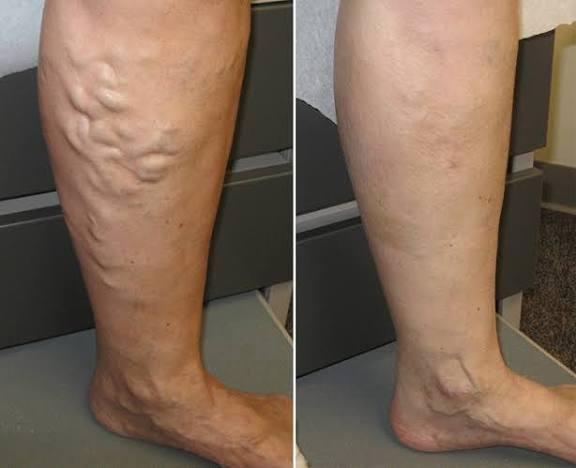
Learn about laser treatment for varicose veins, how varicose veins are diagnosed, when laser treatment may be appropriate, and information about Dr. Mohamed Mansour Kamel in Hurghada
TechnoClinic offers specialized orthopedic surgery services in Mohandessin, focusing on the diagnosis and treatment of joint pain, fractures, sports injuries, and musculoskeletal conditions. Learn about orthopedic care, common conditions, treatment options, and contact details for the Mohandessin branch.
