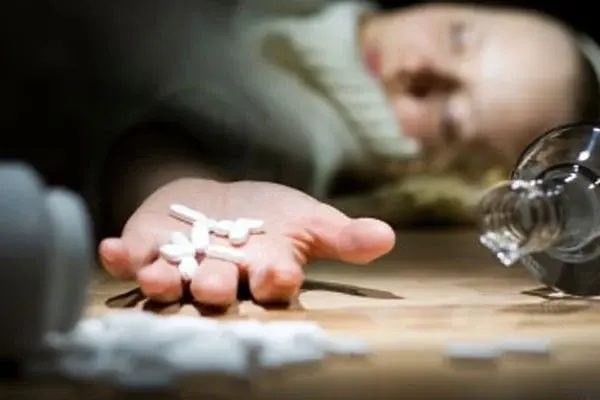
Drug Addiction Treatment in Helmeya El-Zaitoun | Dr. Hatem Anwar Ismail Clinic
Drug addiction is a health condition that can affect a person's physical and mental health, family relationships, and social life. People may find it difficult to stop using drugs on their own, particularly when substance use has led to physical or psychological dependence.
Treating addiction involves more than simply stopping drug use. It requires an assessment to understand the nature of the problem, determine the level of dependence, and develop a treatment plan suited to the individual's health and psychological needs.
If you are looking for drug addiction treatment in Helmeya El-Zaitoun, Cairo, you can contact Dr. Hatem Anwar Ismail Clinic to inquire about available services and appointment times.
📞 For appointments and inquiries: 01282511682
💬 WhatsApp: 01282511682
What Is Drug Addiction?
Drug addiction is a health condition in which a person may lose control over the use of a particular substance despite the harmful effects it can have on their health, mental well-being, or social life.
Dependence on certain substances may develop gradually. A person may become increasingly preoccupied with obtaining or using the substance or may find it difficult to reduce their use or stop altogether.
The nature of addiction varies from person to person, depending on the substance involved, the duration and frequency of use, the individual's physical and psychological health, and whether other health conditions are present.
Understanding the nature of the dependence is therefore an important step toward identifying an appropriate treatment approach.
What Are the Signs of Drug Addiction?
Different signs may indicate that drug use has become a problem affecting a person's life. Not every sign needs to be present for someone to benefit from a professional assessment.
Possible warning signs include:
-
Difficulty controlling the amount or frequency of drug use.
-
Repeated attempts to stop without being able to maintain abstinence.
-
Spending increasing amounts of time obtaining or using the substance.
-
Neglecting family, educational, or professional responsibilities.
-
Continuing to use drugs despite health or social problems.
-
Noticeable changes in sleep, mood, or behavior.
-
Withdrawing from family and friends or losing interest in usual activities.
-
Experiencing strong, recurring cravings to use the substance.
These signs alone do not establish a diagnosis, but they may indicate the importance of seeking a medical assessment to understand the situation.
When Should Someone Seek Treatment for Drug Addiction?
Professional support may be necessary when stopping drug use becomes difficult or when substance use begins to affect a person's health, daily activities, or relationships.
It is important not to wait until a serious crisis occurs before seeking help. An early assessment may help identify treatment needs and clarify the available options.
A consultation may be appropriate when someone experiences:
-
Repeated drug use despite wanting to stop.
-
Symptoms after reducing the dose or stopping the substance.
-
Problems at work, school, or home related to drug use.
-
Sleep or mood disturbances associated with substance use.
-
Use of more than one addictive substance.
-
A return to drug use after a previous attempt to stop.
There is no single treatment approach suitable for everyone. The treatment plan depends on an individual assessment and the person's medical and psychological needs.
How Is Drug Addiction Treated?
Treatment depends on the substance involved, the degree of dependence, the person's physical and mental health, and the level of medical supervision required.
Depending on the assessment, a treatment plan may include several stages.
1. Medical and Psychological Assessment
Treatment begins with an assessment of the person's substance-use history, the type of drug used, the duration of use, accompanying symptoms, and general health.
The assessment may also consider coexisting mental health conditions or other medical problems that need attention alongside addiction treatment.
This process helps determine the appropriate level of care.
2. Managing Withdrawal Symptoms
Physical or psychological withdrawal symptoms may occur when a person reduces or stops using certain substances. The nature and severity of these symptoms vary depending on the substance, duration of use, and the individual's health.
Medical supervision may be necessary during withdrawal because some cases can involve serious complications requiring urgent care.
Stopping certain substances suddenly or taking medication without medical supervision is not recommended, particularly when withdrawal may cause dangerous complications.
3. Psychological and Behavioral Treatment
Psychological treatment may be an important part of recovery. It can help individuals understand factors associated with substance use, manage cravings, and develop healthier ways to cope with stress.
Depending on the person's needs, the treatment plan may include appropriate therapeutic approaches, ongoing progress assessments, and adjustments when necessary.
4. Follow-Up and Relapse Prevention
Recovery does not always end when a person stops using drugs. Ongoing support may help individuals manage triggers, psychological stress, and cravings that could lead to a return to substance use.
The duration and type of follow-up vary according to the person's needs and response to treatment.
Does Addiction Treatment Require Medication?
Not everyone with an addiction needs the same medication, and some medications are appropriate only for specific conditions under medical supervision.
The decision to use medication depends on the substance involved, the person's symptoms, medical history, and clinical assessment.
Medication may form part of treatment for certain substance use disorders, but it should never be used indiscriminately. Unverified remedies and medications recommended by unqualified individuals should be avoided.
It is important to discuss medication with a qualified healthcare professional and not use sedatives or other drugs to manage withdrawal without appropriate medical supervision.
Can a Person Recover From Drug Addiction?
Many people can achieve and maintain recovery with appropriate treatment, follow-up, and support. However, the recovery process differs from one individual to another.
Some people may experience setbacks or return to substance use after stopping. This does not necessarily mean that treatment has failed. It may indicate that the treatment plan needs to be reviewed and adjusted.
Factors that may support recovery include:
-
Following the agreed treatment plan.
-
Attending scheduled follow-up appointments.
-
Addressing accompanying psychological or medical conditions.
-
Avoiding situations associated with substance use whenever possible.
-
Receiving appropriate support from family members or trusted individuals.
-
Seeking help when strong cravings return.
A return to substance use should be approached through reassessment and support rather than blame or stigma.
How Can Families Support Someone Experiencing Addiction?
Family members can play an important role in encouraging someone to seek treatment and continue with care, particularly when their approach is based on understanding and concern for safety.
Helpful steps may include:
-
Speaking calmly without threats or humiliation.
-
Encouraging the person to seek a professional medical assessment.
-
Avoiding the use of medication or attempts to manage withdrawal at home without medical advice.
-
Supporting attendance at appointments and adherence to the treatment plan.
-
Establishing clear boundaries to protect the safety of family members.
-
Seeking professional assistance if the situation threatens the safety of the person or others.
Families should understand that addiction is a complex health condition. Providing support does not mean ignoring harmful consequences or accepting dangerous behavior.
When Is Drug Use a Medical Emergency?
Some cases of intoxication or withdrawal require immediate medical attention.
Seek emergency medical assistance if the person experiences any of the following:
-
Loss of consciousness or difficulty waking up.
-
Severely slowed or difficult breathing.
-
Seizures.
-
Severe chest pain.
-
Extreme confusion or unusual agitation.
-
A dangerously high body temperature.
-
Thoughts or behavior involving an immediate risk of harm to themselves or others.
In these situations, do not wait for a clinic appointment or attempt to manage the symptoms alone. Go to the nearest emergency department or contact local emergency medical services.
Dr. Hatem Anwar Ismail Clinic for Drug Addiction Treatment
If you are looking for information about drug addiction treatment in Helmeya El-Zaitoun, you can contact Dr. Hatem Anwar Ismail Clinic to inquire about available services, appointment times, and the steps involved in assessing the condition.
Clinic Address
41 Ain Shams Street, El-Naam Square, Helmeya El-Zaitoun, Cairo, Egypt.
Working Hours
Saturday to Wednesday, from 7:00 PM to 11:00 PM.
Thursday and Friday: Closed.
Phone and WhatsApp
📞 Phone: 01282511682
💬 WhatsApp for inquiries and appointments: 01282511682
Book an Appointment to Inquire About Drug Addiction Treatment
Seeking help is an important step toward understanding substance use and identifying appropriate treatment options. Treatment decisions depend on a medical assessment that considers the substance involved, accompanying symptoms, and the person's physical and psychological health.
You can contact Dr. Hatem Anwar Ismail Clinic to inquire about appointments and available services.
📞 Phone and WhatsApp: 01282511682
📍 Address: 41 Ain Shams Street, El-Naam Square, Helmeya El-Zaitoun, Cairo.
🕒 Working Hours: Saturday to Wednesday, 7:00 PM–11:00 PM.
Thursday and Friday: Closed.
The information in this article is for general educational purposes and does not replace a medical assessment. Addiction treatment varies according to the substance involved and the individual's condition. Withdrawal management and medication use should take place under appropriate medical supervision.