
🧠 PTSD Treatment in Helmeya El-Zaitoun | Dr. Hatem Anwar Ismail
Do feelings of fear and anxiety continue long after a difficult or traumatic experience? Some people find it challenging to move on after accidents or psychological trauma. They may experience recurring distressing memories, nightmares, or intense anxiety when something reminds them of what happened. These symptoms can affect sleep, concentration, family relationships, and everyday activities. This condition is known as post-traumatic stress disorder (PTSD), a mental health condition that may require professional assessment to identify the symptoms and determine an appropriate treatment plan. Understanding PTSD symptoms, causes, and available treatment options can be an important first step toward seeking help. If you are looking for specialized mental health care in Helmeya El-Zaitoun, Cairo, you can contact Dr. Hatem Anwar Ismail, Consultant in Neurology, Psychiatry, and Addiction Treatment, to inquire about a professional assessment and an individualized care plan.
📞 Contact Dr. Hatem Anwar Ismail's Clinic
- Doctor: Dr. Hatem Anwar Ismail
- Specialties: Neurology, Psychiatry, and Addiction Treatment
- Phone and Appointments: 01282511682
- WhatsApp: Message the Clinic on WhatsApp
- Clinic Address: 41 Ain Shams Street, El-Naam Square, Helmeya El-Zaitoun, Cairo, Egypt
- Working Hours: Saturday to Wednesday, 7:00 PM–11:00 PM
- Days Off: Thursday and Friday
- Location: View the Clinic on Google Maps
- Doctor's Profile: View Dr. Hatem Anwar Ismail's MisrConnect Profile
🧠 What Is Post-Traumatic Stress Disorder (PTSD)?
Post-traumatic stress disorder (PTSD) is a mental health condition that may develop after experiencing or witnessing a traumatic event. Examples include serious accidents, assault, natural disasters, or other experiences involving a perceived threat to personal safety.
Not everyone who experiences a traumatic event develops PTSD. Many people gradually recover from their initial feelings of fear and distress. However, when symptoms persist and interfere with daily life, consulting a mental health professional may help determine whether treatment is needed.
🔎 What Are the Symptoms of PTSD?
PTSD symptoms vary from person to person and may include:
- Intrusive memories: Repeated, unwanted memories of the traumatic event or the feeling that it is happening again.
- Nightmares and sleep problems: Difficulty falling asleep or waking up because of distressing dreams related to the experience.
- Avoidance: Staying away from places, people, conversations, or situations that bring back memories of the event.
- Anxiety and hypervigilance: Feeling constantly on guard, becoming easily startled, or finding it difficult to relax.
- Changes in mood and thinking: Feelings of guilt, fear, emotional detachment, or loss of interest in activities.
- Difficulty concentrating: Problems maintaining attention or completing everyday tasks.
Experiencing one symptom does not necessarily mean that someone has PTSD. A professional assessment is needed to evaluate the symptoms and establish an accurate diagnosis.
⚠️ What Causes Post-Traumatic Stress Disorder?
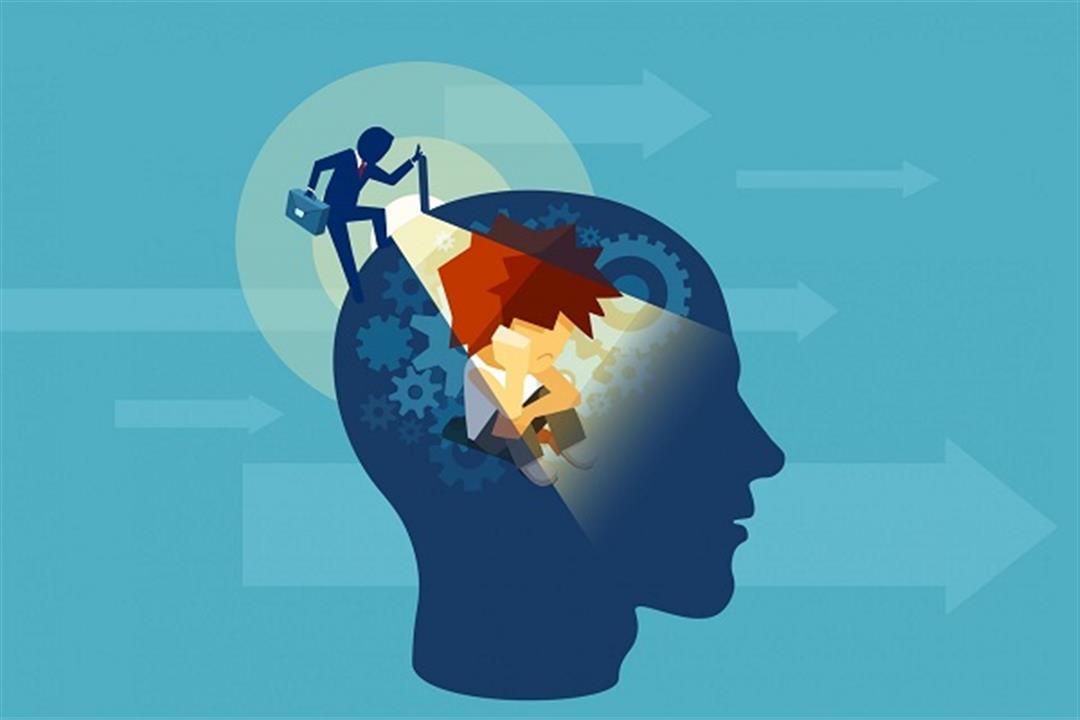
PTSD may be associated with exposure to serious accidents, violence, assault, natural disasters, or other experiences involving a significant threat to safety. The likelihood of developing the condition varies depending on the nature of the event, the surrounding circumstances, and individual factors.
Experiencing PTSD symptoms does not indicate weakness of character. People respond to traumatic experiences differently, and seeking professional support can be an important step when distress continues.
🩺 How Is PTSD Diagnosed?
Diagnosis typically involves a clinical assessment conducted by a qualified mental health professional. The assessment explores the traumatic experience, the nature and duration of symptoms, and their effects on sleep, relationships, work, or education.
The evaluation may also include a review of medical and mental health history and consideration of other conditions that can cause similar symptoms, such as anxiety disorders or depression. An online test or symptom checklist alone is not sufficient to confirm a PTSD diagnosis.
💙 What Are the Treatment Options for PTSD?
Several treatment options are available. A mental health professional can recommend an approach based on the person's symptoms, needs, and overall health. Treatment may include the following:
1. Psychotherapy
Specialized forms of psychotherapy, including trauma-focused cognitive behavioral therapy, may help people manage distressing memories and address thought patterns and behaviors associated with the traumatic experience.
2. Medication When Appropriate
A doctor may recommend medication when clinically appropriate, particularly when symptoms persist or other mental health conditions are present. Medication selection and dosage depend on an individual medical assessment. Patients should not start, change, or stop prescribed medication without consulting their doctor.
3. Follow-Up Care and Psychological Support
Regular follow-up appointments can help monitor symptoms and adjust the treatment plan when necessary. Support from family members and trusted individuals may also reduce feelings of isolation. It is important to respect the person's privacy and avoid pressuring them to discuss traumatic details before they feel ready.
👨⚕️ When Should You Consult a Psychiatrist?
Consider seeking professional assessment if distressing memories, nightmares, or feelings of fear continue, or if you begin avoiding everyday activities or experience difficulties with sleep, work, or relationships.
Dr. Hatem Anwar Ismail, Consultant in Neurology, Psychiatry, and Addiction Treatment, provides specialized care in mental health. You can contact his clinic in Helmeya El-Zaitoun to ask about appointments and arrange an assessment.
📍 Dr. Hatem Anwar Ismail's Psychiatry Clinic in Helmeya El-Zaitoun
If you are looking for a psychiatry clinic in Helmeya El-Zaitoun, Cairo, you can contact Dr. Hatem Anwar Ismail's clinic to inquire about available assessment and mental health services and determine whether they are suitable for your needs.
- Address: 41 Ain Shams Street, El-Naam Square, Helmeya El-Zaitoun, Cairo, Egypt.
- Appointments and Inquiries: 01282511682
- WhatsApp: Contact the Clinic on WhatsApp
- Google Maps: Get Directions
❓ Frequently Asked Questions About PTSD
Can People Recover from PTSD?
Many people experience improvement with appropriate treatment and follow-up care. However, recovery varies from person to person depending on the symptoms, individual circumstances, and response to treatment.
Do PTSD Symptoms Appear Immediately After a Traumatic Event?
Symptoms may begin shortly after a traumatic event or become noticeable later. Diagnosis depends on the nature of the symptoms, how long they persist, and how significantly they affect everyday life.
Does PTSD Always Require Medication?
No. Psychotherapy is an important treatment option, and medication may be recommended in some cases depending on the clinical assessment and the person's needs.
Is PTSD the Same as Anxiety?
No. PTSD and anxiety disorders are different conditions, although some symptoms may overlap. A qualified mental health professional can assess the symptoms and help distinguish between them.
📞 Book a Mental Health Consultation in Helmeya El-Zaitoun
Managing the effects of psychological trauma may take time and appropriate support. No one should feel that they have to face persistent distress alone. If these symptoms are affecting your life or the life of someone close to you, contact Dr. Hatem Anwar Ismail's clinic to inquire about appointments and professional assessment.
For appointments and inquiries: 01282511682
Message the Clinic on WhatsApp
This article is intended for general educational purposes and does not replace professional medical assessment or diagnosis. If there is an immediate risk to your safety or someone else's safety, contact local emergency services.
```