Zinc and Urinary Health: A Natural Defense
Zinc plays a vital role in supporting the immune system and reducing the risk of urinary tract infections (UTIs). Learn how it helps fight bacteria and protect urinary health.

Urinary tract infections (UTIs) affect the bladder, urethra, and sometimes the kidneys. These infections occur when bacteria enter the urinary tract, causing tissue irritation and symptoms such as painful urination, frequent urges, and occasionally fever.
Immune Support
Zinc is essential for the immune system, helping white blood cells and epithelial cells lining the urinary tract identify and combat bacteria before infections spread.
Antibacterial Effects
Research shows zinc can inhibit the growth of bacteria like E. coli, the most common cause of UTIs. Zinc also suppresses bacterial genes that allow adhesion to urinary tract walls, reducing infection persistence.
Prevention through Diet and Supplements
People with zinc deficiency are more prone to recurring UTIs. Zinc can be obtained from foods like meat, fish, nuts, and whole grains. Supplements can also be effective under medical supervision, especially for high-risk individuals.
Zinc in Integrated Treatment
While beneficial, zinc is not a substitute for antibiotics in active infections. Instead, it serves as a natural booster, enhancing treatment outcomes and preventing recurrence.
For more details and the latest medical news, follow Egypt Connect.

You may begin your journey of treating back pain by visiting a top physiotherapy center or undergoing spinal adjustment sessions, and initially feel significant improvement. However, symptoms often return—or even worsen over time.You may begin your journey of treating back pain by visiting a top physiotherapy center or undergoing spinal adjustment sessions, and initially feel significant improvement. However, symptoms often return—or even worsen over time.
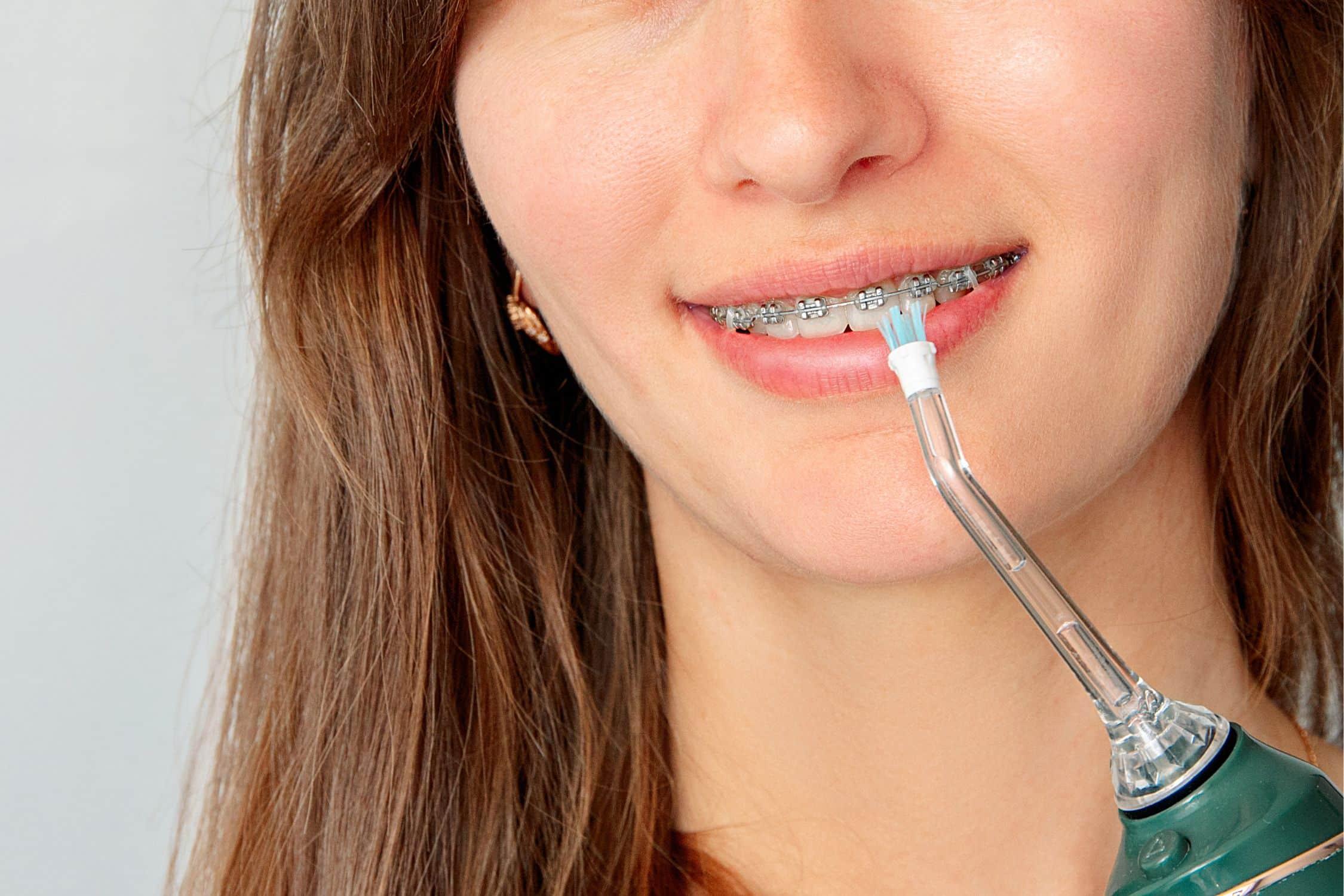
How to care for teeth after braces is one of the most important stages after orthodontic treatment, as the post-braces phase is just as crucial as the treatment itself.
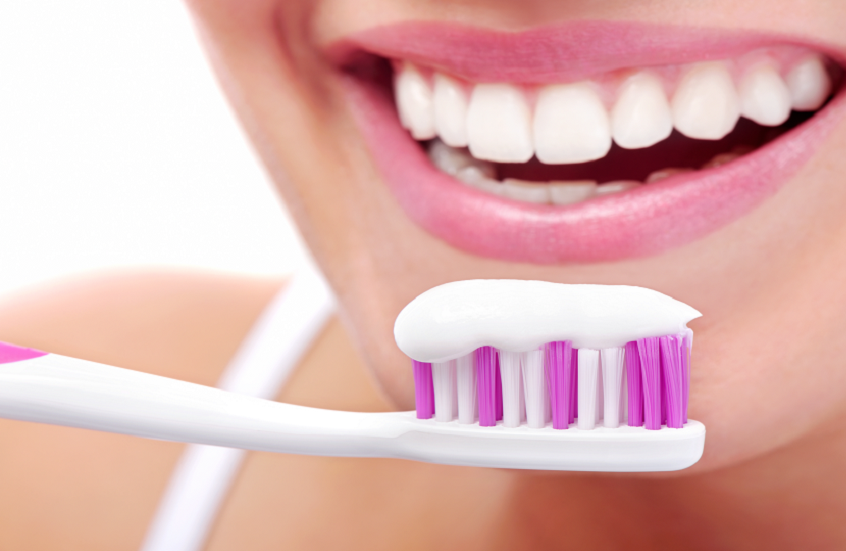
Choosing the best toothpaste by condition is not random, because every oral health problem requires a different type of care. A toothpaste that works for tooth sensitivity may not be the best option for cavities or gum disease.
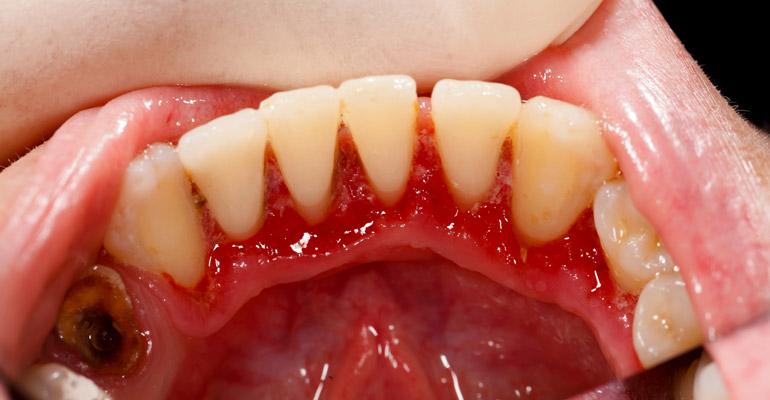
Gum problems and treatment is one of the most common topics in dentistry, as gum disease often starts mildly and progresses silently without obvious pain in the early stages, making many patients unaware until it becomes more advanced.
