A stunning discovery in the brain may reveal the hidden secret behind the spread of Alzheimer’s disease
Scientists discover tiny brain tubes that transfer Alzheimer’s proteins between neurons, opening avenues for early detection and potential treatments.
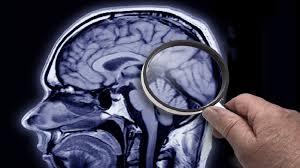
Researchers have identified nano-tunnels in the brain that connect neurons and transport proteins and calcium signals alongside traditional synapses. These tubular structures facilitate the transfer of Alzheimer’s proteins between cells at speeds comparable to motor protein transport, potentially explaining how the disease spreads.
A study at Johns Hopkins University showed that this network changes three months before plaque formation in mouse models, offering a window for early detection. Cells linked to these tubes accumulate toxic amyloid proteins, while neighboring cells share the burden, creating a cycle of accumulation and isolation.
The study clarifies how toxic proteins move from one neuron to another, destroying some cells while leaving adjacent ones intact. The tubes, measuring hundreds of nanometers in width and extending micrometers in length, form direct bridges between dendritic branches of neighboring neurons. They were observed in high-resolution electron microscopy images of mouse and human brain tissues.
Tracking these tunnels over 66 hours revealed their dynamic nature: forming and disappearing based on energy-dependent cellular processes. Disrupting the nano-tube network halted the spread of beta-amyloid proteins, suggesting potential new treatments to stop Alzheimer’s progression.

Regular health screening is one of the most important steps to maintain good health and detect diseases early. The essential medical checkups for every age help in preventing complications and ensuring a healthier life.

Many people, after doing medical tests, receive their results and immediately start looking at numbers and unfamiliar terms like (High – Low – Normal) without fully understanding what they actually mean.

When dealing with medical services, many people come across different titles for doctors such as “Specialist” and “Consultant”, which can sometimes create confusion about what each title actually means and how they differ from each other.

Choosing the right time to visit a doctor is not a random decision. It can directly affect how quickly a condition is diagnosed and how effective the treatment will be. Many people delay visiting a doctor or go at the wrong time, which may lead to worsening symptoms or delayed care.
