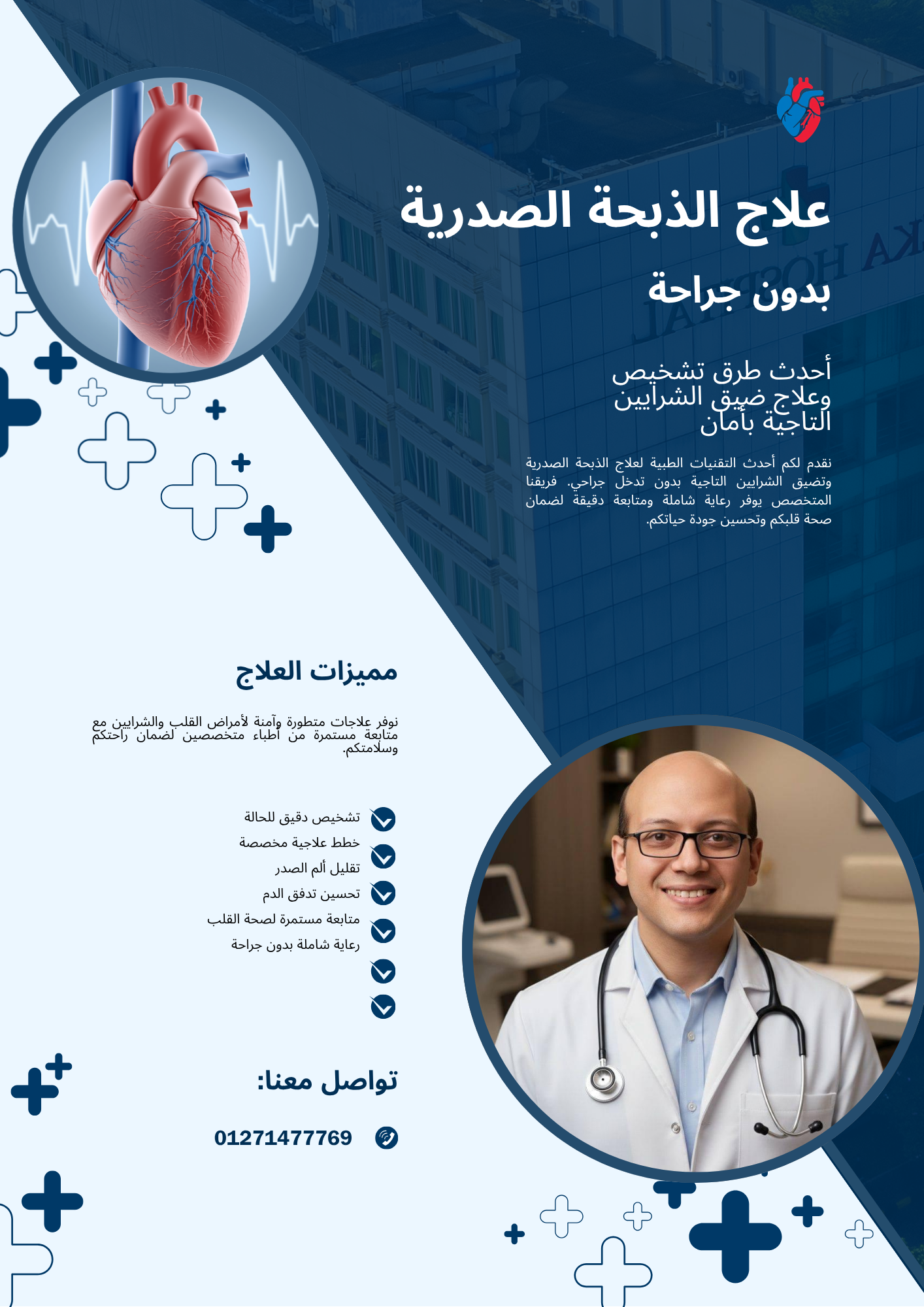

Angina Pectoris: Diagnosis and Treatment of Chest Pain Caused by Coronary Artery Narrowing with a Personalized Treatment Plan for Every Patient
By Dr. Rami Raafat
Angina pectoris is one of the most common heart conditions. It occurs when the heart muscle does not receive enough oxygen-rich blood due to narrowing or blockage of the coronary arteries. Patients usually experience chest pain or pressure that may extend to the arm, shoulder, or jaw, which requires accurate medical evaluation to determine the cause and develop an appropriate treatment plan tailored to each patient’s condition.
In this article, we discuss the causes of angina pectoris, its symptoms, modern diagnostic methods, and the latest treatment options used to manage coronary artery disease and improve heart health.
What is Angina Pectoris?
Angina pectoris is a medical condition caused by insufficient blood flow to the heart muscle. The main reason is usually narrowing of the coronary arteries due to the buildup of الدهون والكوليسترول داخل جدران الشرايين.
The severity of angina varies from one patient to another. It may occur during physical exertion or emotional stress, while in some cases it can happen even at rest, which may indicate a serious condition requiring immediate medical attention.
Causes of Angina Pectoris and Coronary Artery Narrowing
Several factors increase the risk of coronary artery disease and angina, including:
- High blood pressure.
- Diabetes.
- High cholesterol and triglycerides.
- Smoking.
- Obesity and excess weight.
- Lack of physical activity.
- Stress and anxiety.
- Family history of heart disease.
Over time, these factors lead to fatty deposits inside the arteries, reducing blood flow to the heart and causing chest pain.
Symptoms of Angina Pectoris
Symptoms vary depending on the severity of artery narrowing and the patient’s heart condition. Common symptoms include:
1. Chest Pain or Pressure
Patients may feel pressure, tightness, or burning in the center of the chest.
2. Shortness of Breath
Difficulty breathing may occur, especially during physical activity or climbing stairs.
3. Pain Extending to the Arm or Jaw
Pain may spread to the left shoulder, neck, or lower jaw.
4. Sweating and Nausea
Some patients experience excessive sweating, dizziness, or nausea.
5. Fatigue
Feeling tired quickly during simple activities may indicate reduced blood flow to the heart.
If chest pain persists for a long time or occurs at rest, emergency medical care is necessary because it may indicate a heart attack.
Types of Angina Pectoris
Stable Angina
Usually occurs during physical activity and improves with rest or medication.
Unstable Angina
Occurs suddenly and may last longer. It is considered a medical emergency requiring immediate treatment.
Variant (Prinzmetal) Angina
Caused by temporary spasm of a coronary artery even without significant blockage.
How is Angina Diagnosed?
Diagnosis depends on the patient’s medical history, physical examination, and several important tests that help evaluate the severity of coronary artery narrowing and heart function.
Electrocardiogram (ECG)
Helps detect heart rhythm abnormalities and signs of reduced blood supply to the heart.
Echocardiogram (Echo)
Evaluates heart muscle function and valve movement.
Stress Test
Used to assess the heart’s response during physical activity.
CT Coronary Angiography
Helps identify narrowing or blockage in the coronary arteries.
Cardiac Catheterization
One of the most accurate methods for diagnosing coronary artery narrowing and determining the severity of blockages.
Treatment of Angina Pectoris and Coronary Artery Disease
Treatment depends on the severity of artery narrowing and the patient’s overall health condition. A personalized treatment plan is created for each patient to achieve the best possible outcomes.
First: Medical Treatment
Doctors may prescribe medications such as:
- Blood thinners to prevent clots.
- Cholesterol-lowering medications.
- Blood pressure medications.
- Vasodilators to improve blood flow to the heart.
- Medications that reduce the workload on the heart muscle.
Patients should follow medications regularly and attend periodic follow-ups to avoid complications.
Second: Cardiac Catheterization and Stent Placement
In severe cases of artery narrowing, cardiac catheterization with stent placement may be performed to widen the artery and improve blood flow.
This procedure is considered one of the most successful techniques for treating angina and reducing chest pain symptoms.
Third: Coronary Artery Bypass Surgery
Some advanced cases require open-heart surgery to bypass blocked coronary arteries, especially when multiple severe blockages are present.
Personalized Treatment Plan for Every Patient
Treatment plans differ from one patient to another depending on:
- The patient’s age.
- The severity of artery narrowing.
- Presence of chronic diseases such as diabetes or hypertension.
- Heart muscle function.
- Lifestyle and daily habits.
Successful treatment depends on accurate diagnosis and choosing the most suitable treatment option to improve heart health and reduce complications.
Can Angina Be Prevented?
Yes, the risk of coronary artery disease can be reduced by:
- Quitting smoking.
- Exercising regularly.
- Controlling blood pressure and diabetes.
- Reducing fatty and fast foods.
- Maintaining a healthy weight.
- Reducing stress.
- Having regular heart checkups.
When Should You Visit a Cardiologist?
Recurring chest pain should never be ignored, especially if accompanied by shortness of breath, dizziness, or excessive sweating. Early diagnosis plays a major role in preventing serious complications such as heart attacks and heart failure.
Dr. Rami Raafat emphasizes that accurate diagnosis and selecting the right treatment plan for each patient are essential for successful angina treatment, improving quality of life, and reducing future heart disease risks.
```