Bleeding gums are a warning sign that should not be ignored, as they often indicate underlying oral health issues that begin mildly and may worsen over time if left unaddressed.
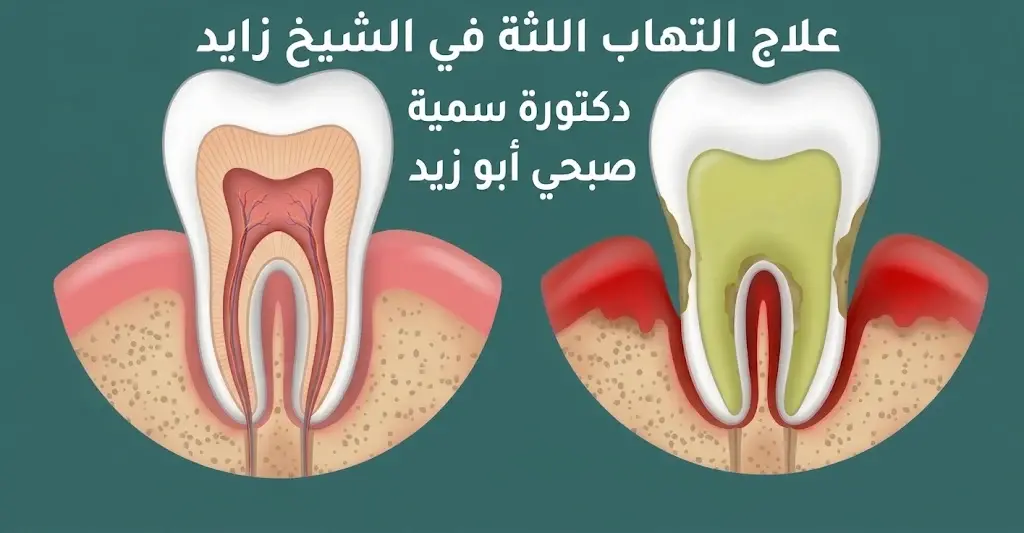
One of the most common causes is plaque buildup, a sticky film of bacteria that accumulates along the gum line. This irritates gum tissue, leading to inflammation that makes the gums red, swollen, and prone to bleeding even with slight pressure.
Brushing habits also play a significant role. Using a hard-bristled toothbrush or applying excessive force can damage delicate gum tissue, resulting in irritation and bleeding.
Nutritional deficiencies are another contributing factor. Low levels of vitamins such as vitamin C and vitamin K can affect tissue healing and blood clotting, increasing the likelihood of gum bleeding.
Hormonal changes—especially during pregnancy, menstruation, or menopause—can also make gums more sensitive due to increased blood flow to the area.
Certain medications, including blood thinners and some blood pressure drugs, may further increase bleeding tendencies. Additionally, diabetes can weaken the immune system and slow gum healing, worsening oral health conditions.
Smoking or tobacco use reduces blood flow to the gums and may mask signs of inflammation, allowing issues to progress unnoticed in early stages.
Poor oral health is not limited to the mouth. Research suggests a link between gum disease and an increased risk of stroke, as inflammation and bacteria can enter the bloodstream and affect blood vessels.
Maintaining good oral hygiene, brushing properly, following a balanced diet, and monitoring gum health are essential steps in preventing complications and protecting overall well-being.
For more details and the latest updates, follow Egypt Connect