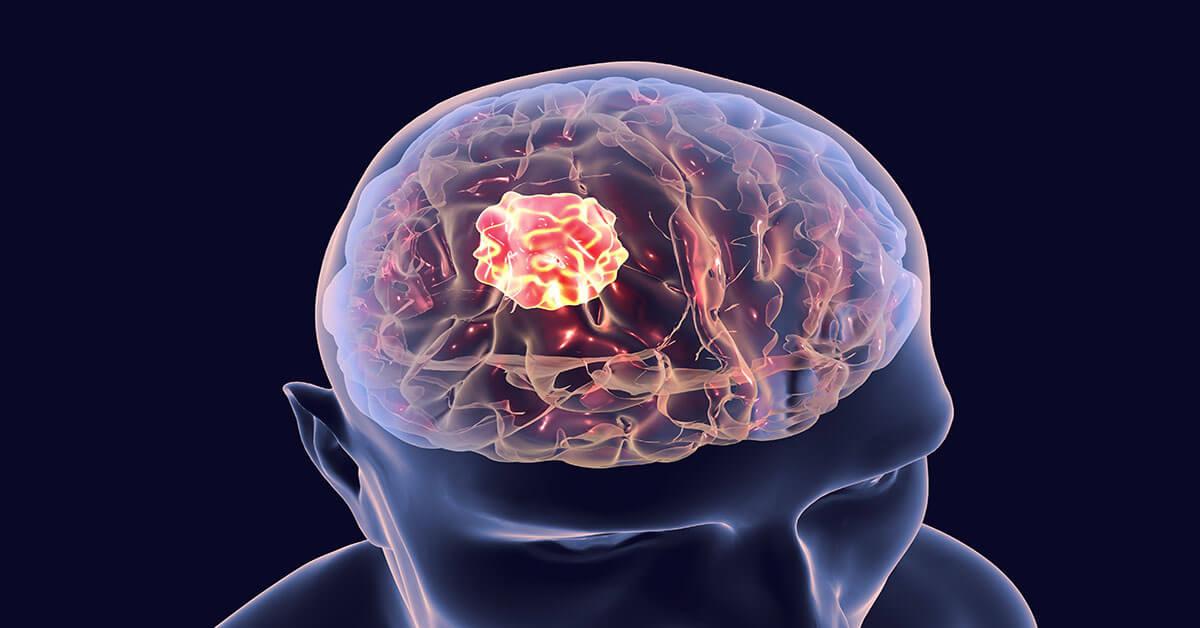

A recent clinical study has reported promising results showing that laser interstitial thermal therapy (LITT) administered before immunotherapy may significantly extend survival in patients with recurrent high-grade astrocytoma, an aggressive form of brain cancer with limited treatment options.
High-grade astrocytoma frequently returns after surgery, and patients with recurrent disease typically survive only four to five months. However, the new findings suggest a markedly improved outlook with the combined approach.
Study Findings
The trial involved 45 patients with advanced recurrent high-grade astrocytoma. Among the 33 patients who received laser therapy to shrink their tumors followed by the immunotherapy drug Keytruda, 42% were still alive after 18 months, and more than one-third survived beyond three years.
By contrast, none of the six patients who underwent conventional surgery followed by Keytruda survived to the 18-month mark.
Why Laser Therapy Makes a Difference
Laser interstitial thermal therapy works by inserting thin fibers into the tumor to deliver targeted heat that destroys cancer cells locally. Researchers believe this process may expose tumor antigens to the immune system, enhancing the effectiveness of immunotherapy drugs that activate T cells to attack cancer.
Immunotherapy has generally struggled in brain tumors due to the blood-brain barrier, which limits drug access to tumor tissue. The laser approach may help overcome this limitation.
Early Trial Termination
An independent data and safety monitoring board halted the randomized trial early after clear benefits of LITT became evident—a standard procedure when a treatment demonstrates significant advantage.
Researchers suggest this combined strategy could represent a meaningful advancement in treating aggressive recurrent brain tumors and offer renewed hope for patients facing limited options.
For more details and the latest updates, follow Masr Connect.