Brittle Nails and Cold Feet: Key Signs of Iron Deficiency in the Body
Iron deficiency is one of the leading causes of anemia and affects the body’s ability to produce red blood cells that carry oxygen. Common symptoms include fatigue, pale skin, brittle nails, and cold extremities—signs that your body may be lacking this essential mineral.
Iron is an essential mineral needed to produce hemoglobin, the protein responsible for transporting oxygen through the bloodstream. When iron levels drop, the body struggles to make enough healthy red blood cells, leading to iron deficiency anemia. This condition can start mildly but worsens if left untreated.
Symptoms of Iron Deficiency

Early stages may go unnoticed, but as the deficiency progresses, symptoms become more apparent, including:
Severe fatigue and weakness: Constant tiredness even after adequate rest.
Pale skin: Caused by a reduced number of red blood cells.
Shortness of breath or rapid heartbeat: Due to decreased oxygen supply to tissues.
Frequent headaches or dizziness: Resulting from reduced blood oxygen levels.
Cold hands and feet: A sign of poor circulation linked to low iron.
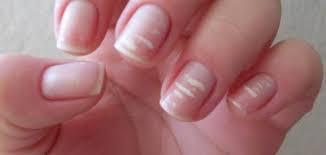
Brittle or spoon-shaped nails: Nails become thin, fragile, and prone to breaking.
Swollen or sore tongue: Due to impaired tissue regeneration.
Unusual cravings (Pica): Desire to eat non-food items like ice, clay, or starch.
Loss of appetite in children: Which may hinder healthy growth and development.
Causes of Iron Deficiency
Common causes include:
Blood loss from heavy menstruation or internal bleeding.
Poor diet lacking iron-rich foods.
Digestive disorders that limit iron absorption.
Increased iron requirements during pregnancy or growth periods.
When to See a Doctor
It’s important to consult a doctor if you experience persistent fatigue, pale skin, or other anemia symptoms. Self-diagnosis is not recommended, as excess iron can accumulate and cause liver damage and other health complications.
Treatment and Prevention
Treatment focuses on replenishing iron through diet or supplements. Iron-rich foods such as red meat, liver, lentils, spinach, and whole grains are highly recommended.
Consuming foods rich in vitamin C can also enhance iron absorption and support recovery.
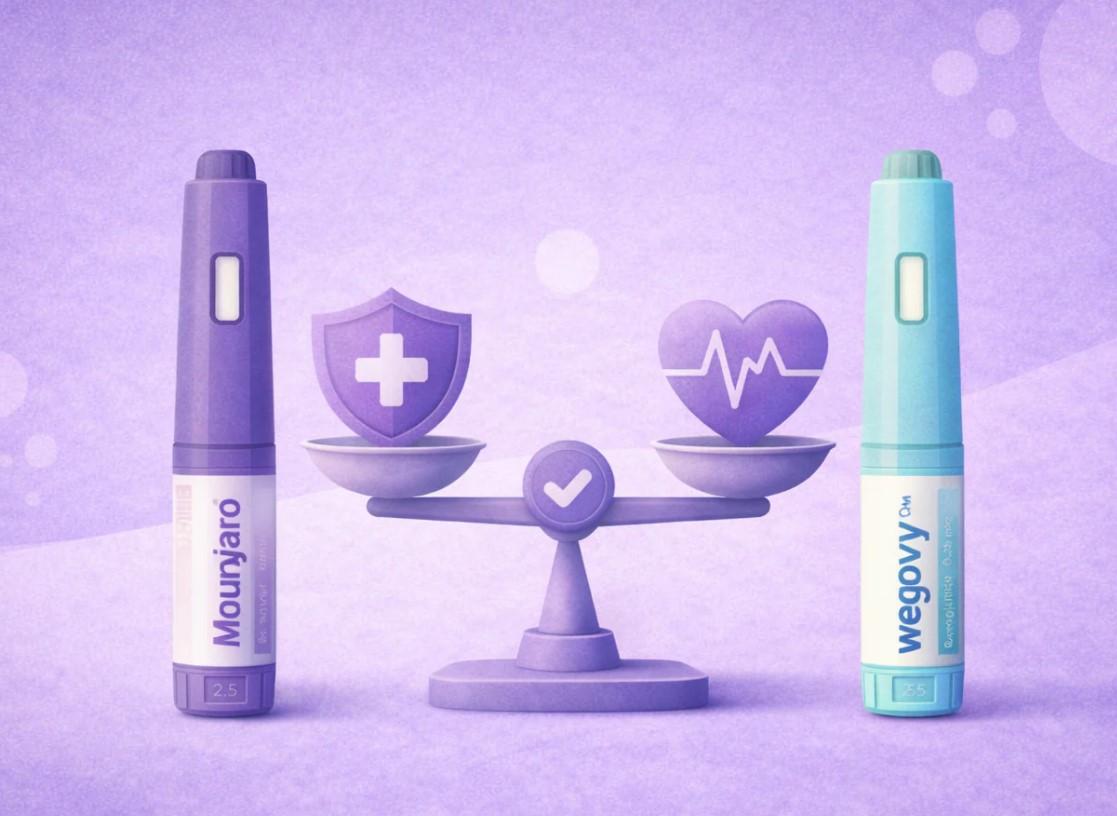
Modern weight loss injections work by using hormones that regulate appetite and reduce feelings of hunger, which helps the body lose weight in a natural and safe way.
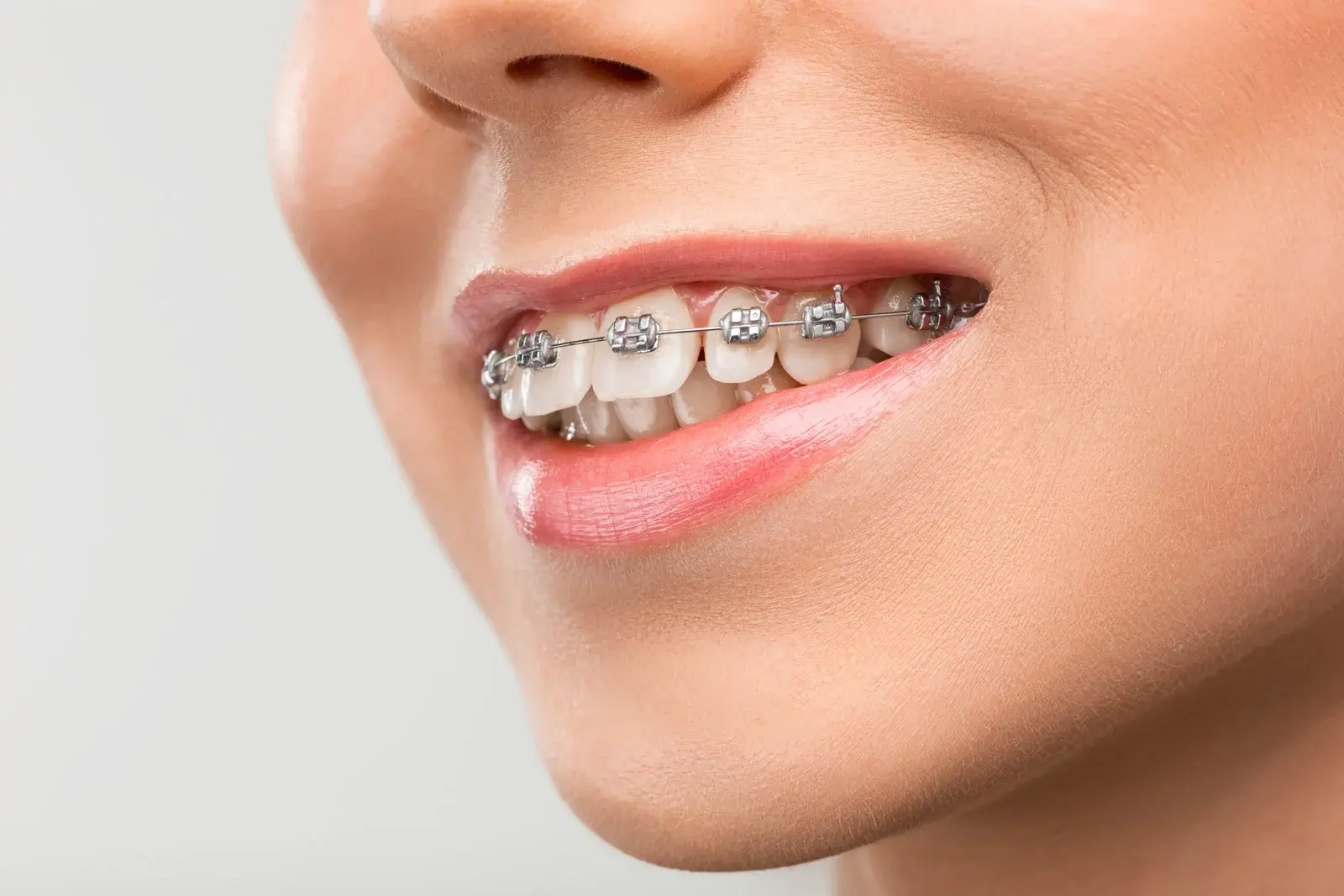
Can your orthodontic results disappear after all that effort? 🤔 Discover why retainers are essential and how to keep your perfect smile for years!
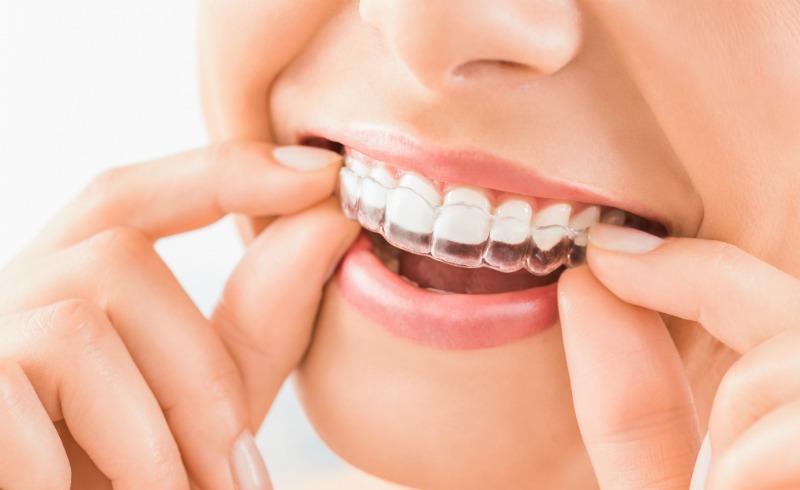
After completing orthodontic treatment, many patients think the journey is over. However, medically speaking, the most important phase begins now: the retainer phase, which is essential to maintain results and prevent teeth from shifting back to their original position.
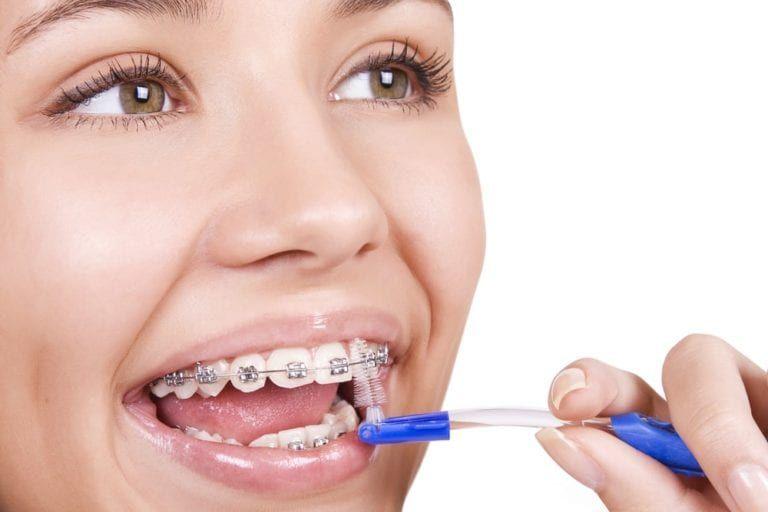
Orthodontic treatment is an important step to improve the appearance and function of teeth and jaws. However, it requires strict adherence to post-placement instructions to ensure treatment success and achieve the best possible results in the shortest time.
