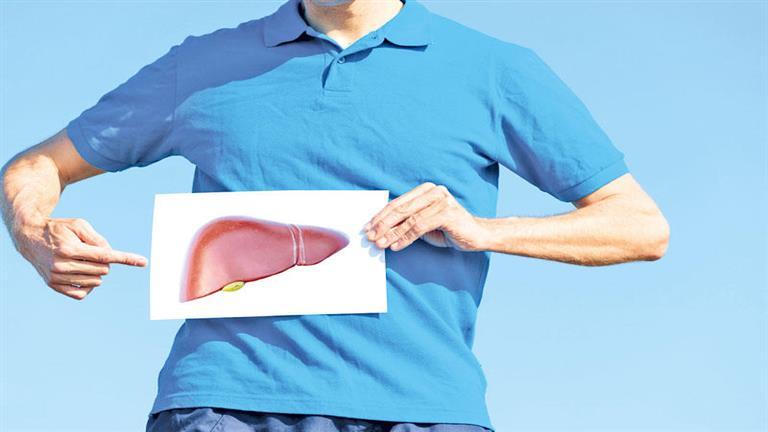

In quiet silence, the liver continues its work—until fat begins to accumulate within it, disrupting its rhythm in what is known as fatty liver disease. It’s a condition that often develops unnoticed, yet carries a clear message: change your lifestyle before it progresses.
The reassuring truth is that, especially in its early stages, fatty liver can often be reversed without medication. The core issue lies not just in the organ itself, but in daily habits that need realignment.
Weight loss is the first step. Research shows that losing just 7–10% of body weight can significantly reduce liver fat and inflammation, potentially restoring normal liver function over time.
Diet plays a central role as well. A balanced eating pattern, similar to the Mediterranean diet, supports recovery by focusing on whole grains, fresh fruits and vegetables, healthy fats like olive oil, and lean proteins, while reducing sugar and processed foods.
Physical activity acts as a catalyst for improvement. Even moderate exercise, such as brisk walking for 30 minutes daily, can enhance insulin sensitivity and reduce fat buildup in the liver.
Sleep and stress management are equally important. Poor sleep increases insulin resistance, while chronic stress triggers hormones that promote fat storage, making recovery harder.
Quick fixes like extreme diets or detox plans may seem appealing, but they often do more harm than good. The liver already has a natural ability to cleanse itself—it simply needs less burden, not more.
In the end, healing doesn’t come from a pill alone, but from consistent daily choices—small steps that gradually restore balance and bring the body back to harmony.
For more details and the latest updates, follow Masr Connect