
Can Wrinkles Around the Ears Be Eliminated? Dr. Magi Fawzy Explains the Treatment Options
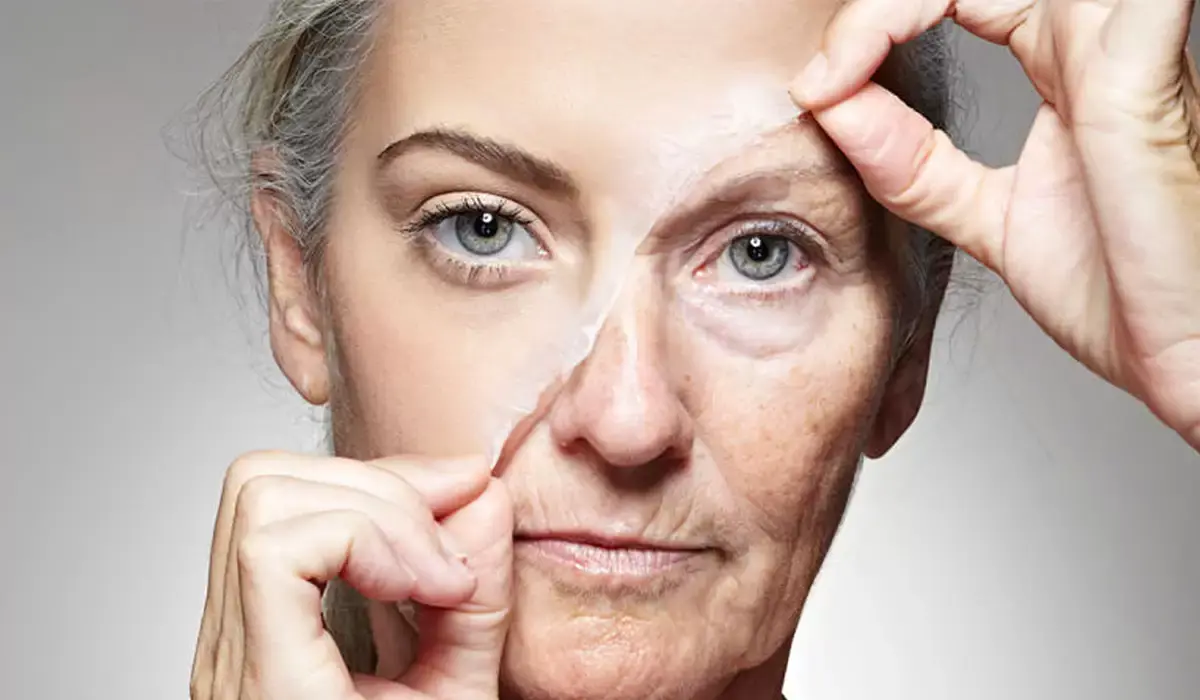
Can wrinkles around the ears be eliminated? Yes, the appearance of wrinkles and fine lines in the areas surrounding the ears can be improved through several medical and aesthetic solutions. However, choosing the right treatment depends on the severity of the wrinkles, skin elasticity, age, and the overall condition of the skin. Dr. Magi Fawzy in Maadi provides a specialized skin assessment to determine the most suitable approach for treating wrinkles around the ears and the delicate areas surrounding them. Treatment for wrinkles around the ears usually begins with a detailed medical evaluation of the skin, followed by the development of a personalized treatment plan based on each patient's needs. If you are looking for wrinkle treatment around the ears in Maadi, an accurate assessment is the first step toward achieving a natural and balanced improvement in the appearance of the skin.
📍 Contact Information for Dr. Magi Fawzy Clinic
📌 Address: 5 El Zahraa Main Street – First Floor, Maadi, Cairo, Egypt
📧 Email: [email protected]
📞 Phone: 01023454040 – 01289311010 – 01204333303
⏰ Working Hours: From 2:00 PM to 9:00 PM
📅 Working Days: Every day except Thursday and Friday
⚠️ Appointments are required in advance.
What Causes Wrinkles Around the Ears?
The skin around the ears may not receive the same attention as other areas of the face, but it can also be affected by the natural signs of aging.
Wrinkles around the ears can develop as a result of several factors, including the gradual loss of skin elasticity with age, repeated exposure to sunlight, skin dryness, environmental factors, and natural changes in collagen and elastin production within the skin.
Skin characteristics also vary from person to person. Therefore, fine lines may be mild in some individuals while becoming more noticeable in others. For this reason, there is no single treatment that is suitable for every case of wrinkles in the delicate areas around the ears.
Are Wrinkles Around the Ears Only a Cosmetic Concern?
In most cases, wrinkles and fine lines around the ears are skin changes associated with aging and external factors and do not necessarily indicate a health problem.
However, if unusual skin changes appear, such as a noticeable change in skin color, a new spot, a sore that does not heal, bleeding, or a rapid change in the appearance of a particular area, it is advisable to seek a specialized medical evaluation rather than treating it as a purely cosmetic concern.
How Are Wrinkles in the Delicate Areas Around the Ears Diagnosed?
The process of treating wrinkles around the ears begins with an assessment of the skin and the surrounding area. Choosing the appropriate treatment does not depend only on the appearance of the wrinkles, but also takes several factors into consideration, including:
-
The severity and depth of the fine lines and wrinkles.
-
Skin elasticity in the area.
-
The level of skin dryness.
-
Previous exposure to sunlight.
-
The presence of pigmentation, scars, or other skin changes.
-
The skin type and its individual needs.
-
The results the patient hopes to achieve.
At Dr. Magi Fawzy Clinic in Maadi, skin assessment can include the use of a Skin Analysis device to help identify the skin's needs and develop a personalized treatment plan for each patient.
What Are the Treatment Options for Wrinkles Around the Ears?
Treatment options for wrinkles around the ears and the surrounding areas vary depending on the cause and severity of the wrinkles. The treatment plan may include procedures designed to improve skin quality or reduce the appearance of fine lines. The most suitable option is determined after a professional assessment.
1. Medical Skincare
For mild wrinkles, regular medical skincare can be an important part of the treatment plan. This may include maintaining adequate skin hydration, using products suitable for the individual's skin type, and protecting the skin from sun exposure.
Daily skincare does not necessarily eliminate existing wrinkles, but it can help maintain healthy skin and reduce the impact of certain factors that contribute to premature signs of aging.
2. Skin Quality Improvement Treatments
Some individuals may benefit from medical procedures designed to improve skin quality and support the skin's natural renewal processes.
The choice of these procedures depends on the condition of the skin and the severity of the wrinkles rather than age alone. Dr. Magi Fawzy discusses the available options with the patient after assessing the area, with the goal of achieving a natural result that complements the appearance of the skin.
3. Laser and Modern Technologies
Certain laser technologies and modern dermatological procedures may be used in appropriate cases to improve skin texture and the appearance of fine lines.
The technology used varies according to the skin type and the condition being treated. Therefore, selecting the appropriate laser device and settings should be performed by a qualified medical specialist, particularly because delicate areas require careful assessment before any treatment session.
4. Injectable Treatments and Non-Surgical Aesthetic Procedures 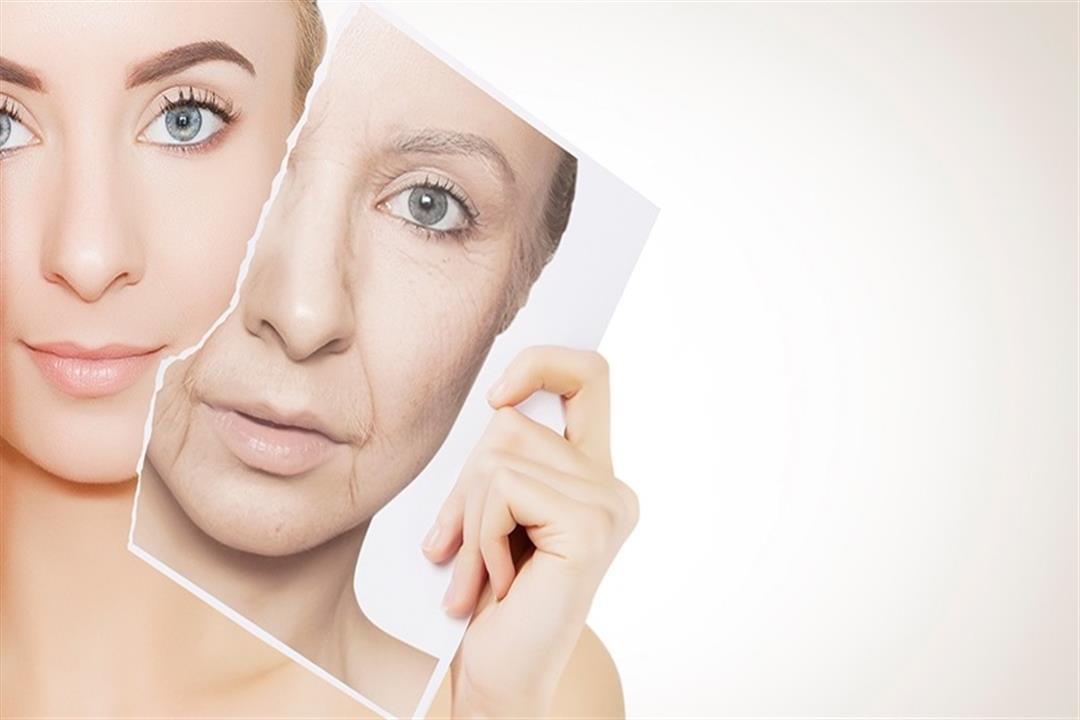
In some cases, non-surgical aesthetic procedures may be an appropriate option for improving the appearance of wrinkles. However, not every type of injectable treatment is suitable for the area around the ears.
Therefore, the type of procedure, amount used, and application technique should be determined based on a professional medical assessment, taking into account the anatomy of the area, the desired outcome, and the importance of avoiding excessive treatment.
5. Regenerative Medicine
Certain regenerative medicine techniques may be included in skin quality improvement plans depending on the individual's condition.
The goal of these procedures is generally to support skin renewal and improve its overall appearance rather than simply hiding wrinkles temporarily. Dr. Magi Fawzy determines whether these options are appropriate after examining the skin and assessing its specific needs.
Can Wrinkles Around the Ears Be Treated Without Surgery?
In many cases, the appearance of wrinkles around the ears can be improved without surgery through medical skincare or certain dermatological and non-surgical aesthetic procedures, depending on the severity of the wrinkles and the condition of the skin.
However, it is important to understand that results vary from one person to another. The goal of treatment is not necessarily to remove every single line, but rather to improve the appearance of the skin and achieve a natural and balanced result.
What Factors Affect the Results of Wrinkle Treatment?
Several factors can affect the degree of improvement following wrinkle treatment around the ears, including the patient's age, the degree of loss of skin elasticity, wrinkle depth, skincare habits, sun exposure, lifestyle, and the treatment technique used.
Some cases may require more than one treatment approach to achieve the desired improvement, while mild wrinkles may respond well to simpler procedures.
Why Choose Dr. Magi Fawzy Clinic?
Choosing Dr. Magi Fawzy Clinic gives patients access to a comprehensive range of dermatology, skincare, hair care, laser, and regenerative medicine services in one location.
🩺 Experience and Specialization
The clinic combines expertise in dermatology, venereology, regenerative medicine, and laser skin treatments, while focusing on evaluating the individual needs of every patient.
🔬 Detailed Skin Assessment
The clinic provides skin assessment using a Skin Analysis device to help identify individual skin needs and develop a personalized treatment plan.
💡 Modern Laser Devices and Medical Technologies
The clinic uses modern devices and technologies in dermatology and skincare, with the appropriate technology selected according to each patient's condition.
🎯 Personalized Treatment Plans
The goal is to improve skin health and appearance through treatment plans selected according to each patient's individual needs rather than relying on a single solution for every case.
🌸 A Wide Range of Medical and Aesthetic Services
The clinic provides a variety of services, including dermatological treatments, hair loss and alopecia treatments, nail fungus treatment, pigmentation and scar treatments, as well as injectable treatments, laser procedures, and non-surgical aesthetic treatments.
🌿 Focus on Healthy and Natural-Looking Skin
The clinic's approach is not limited to addressing a single cosmetic concern. Instead, it focuses on supporting skin health and maintaining a natural appearance through proper assessment and carefully selected treatments.
🤍 Comfort and Privacy
The clinic environment is carefully designed to provide a comprehensive treatment experience while prioritizing patient comfort and privacy throughout the assessment, treatment, and follow-up stages.
🌿 What Makes Dr. Magi Fawzy Clinic in Maadi Stand Out?
Dr. Magi Fawzy Clinic in Maadi combines medical expertise with modern technologies in dermatology, regenerative medicine, laser treatments, and non-surgical aesthetic procedures.
The treatment journey begins with an assessment of the patient's condition, followed by identifying suitable options according to the skin type, severity of the concern, and desired outcome, while maintaining a natural-looking appearance.
For anyone looking for wrinkle treatment around the ears in Maadi, obtaining a specialized medical assessment can help identify the underlying factors contributing to the wrinkles and determine suitable treatment options instead of trying products or procedures that may not be appropriate for this delicate area.
Frequently Asked Questions About Wrinkles Around the Ears
Can wrinkles around the ears be completely eliminated?
Complete elimination of wrinkles cannot be guaranteed because wrinkles are associated with the natural aging process, skin elasticity, and environmental factors. However, their appearance can be improved to varying degrees depending on the condition of the skin and the selected treatment approach.
Is treatment for wrinkles around the ears painful?
The sensation during treatment varies depending on the procedure used. Some treatments may cause mild sensations such as tingling or warmth, while injectable and laser procedures may feel different. The approach to managing discomfort depends on the specific technology or procedure being used.
When do the results of ear wrinkle treatment appear?
The timing of results varies depending on the treatment used and the condition of the skin. Some procedures may provide an initial improvement relatively quickly, while other techniques may require more time before their results become more noticeable.
Can creams be used to treat wrinkles around the ears?
Suitable skincare products can help hydrate the skin, improve its appearance, and support protection against worsening signs of aging. However, skincare products alone may not be sufficient for deeper wrinkles or significant loss of skin elasticity.
Is laser treatment suitable for all cases of wrinkles around the ears?
Not necessarily. The choice of laser treatment depends on the skin type, wrinkle severity, and the specific skin concern. Therefore, the condition should be assessed first to determine whether laser treatment is appropriate or whether another option may be more suitable.
Conclusion
The appearance of wrinkles around the ears can be improved through a range of medical and aesthetic solutions. However, selecting the right treatment depends on the condition of the skin, the severity of the wrinkles, and skin elasticity. Therefore, obtaining a professional assessment is an important first step before beginning any procedure.
If you are looking for treatment for wrinkles in the delicate areas around the ears in Maadi, Dr. Magi Fawzy Clinic can assess your skin condition and discuss suitable options, including medical skincare, laser technologies, non-surgical aesthetic procedures, or selected regenerative medicine techniques according to your individual needs.
📞 For appointments and inquiries: 01023454040 – 01289311010 – 01204333303
📍 Address: 5 El Zahraa Main Street – First Floor, Maadi, Cairo, Egypt