

Cervical Disc Herniation: Causes, Symptoms, and Treatment | Dr. Hatem Anwar Ismail
Introduction
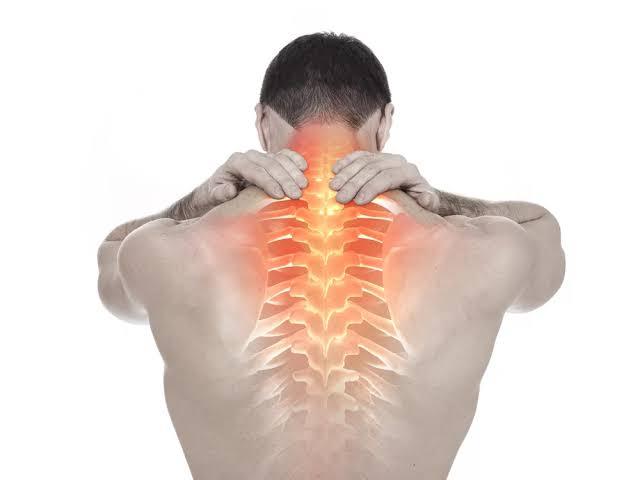
Cervical disc herniation is a condition that may cause neck pain, which can sometimes extend to the shoulders and arms. It may also be accompanied by numbness, tingling, or muscle weakness. Symptoms vary depending on the location of the affected disc and whether it puts pressure on nearby nerves or the spinal cord. Dr. Hatem Anwar Ismail's Clinic emphasizes the importance of assessing symptoms and identifying their cause before determining the appropriate approach. Accurate diagnosis helps guide treatment decisions according to each patient's condition.
Dr. Hatem Anwar Ismail's Clinic: Contact Information
📍 Address: 41 Ain Shams Street, El-Naam Square, Ain Shams, Cairo, Egypt.
📞 For inquiries, appointments, and online consultations: 01282511682
What Is Cervical Disc Herniation?
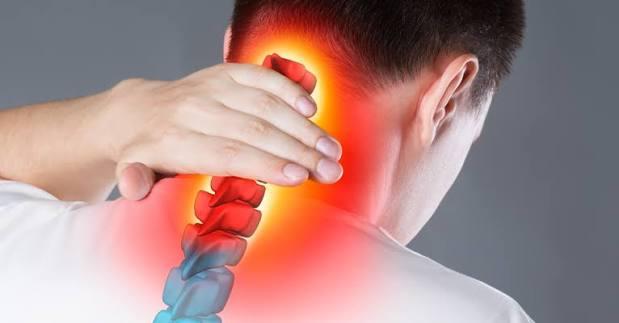
The cervical spine consists of several vertebrae separated by discs that act as flexible cushions. These discs help absorb shock and allow the neck to move. Each disc has a strong outer layer and a softer inner center.
A herniated disc occurs when part of the inner material pushes through a weakened or torn area of the outer layer. This may irritate or compress a nearby nerve root. In some cases, the herniation may also affect the spinal cord inside the spinal canal.
However, finding a herniated disc on an imaging scan does not necessarily mean that it is causing symptoms or requires treatment. Some people have disc changes without noticeable problems. Imaging findings should therefore be considered alongside the patient's symptoms and clinical examination.
What Causes Cervical Disc Herniation?
Cervical disc herniation may develop due to several factors. Some are related to natural age-related changes, while others may involve injuries or daily habits.
Common contributing factors include:
-
Aging: Discs may gradually lose some of their flexibility and water content, making them more vulnerable to changes and tears.
-
Neck injuries: Certain accidents or sudden injuries may affect the cervical discs and vertebrae.
-
Prolonged sitting: Maintaining poor neck posture for extended periods may increase strain on the neck muscles and surrounding tissues.
-
Repeated movements: Activities involving repetitive neck movements or excessive strain may contribute to discomfort.
-
Improper lifting: Sudden loading or incorrect movement may increase pressure on the spine.
-
Degenerative changes: Gradual changes may occur in the discs and small joints surrounding the vertebrae. These changes may occur alongside disc bulging or narrowing of the spaces through which nerves pass.
Having one of these risk factors does not necessarily mean a person will develop a herniated disc. Some cases also occur without an identifiable cause.
What Are the Symptoms of Cervical Disc Herniation?
Symptoms vary depending on the location of the herniated disc and whether it affects the nerve roots or spinal cord. A patient may experience one symptom or several symptoms together.
Neck Pain
Neck pain is a common symptom. It may occur at the back or on one side of the neck and can sometimes worsen with certain movements or prolonged positioning.
Pain Extending to the Shoulder and Arm
A herniated disc may compress one of the nerve roots exiting the cervical spine. This can cause pain to travel from the neck into the shoulder or arm and sometimes reach the hand and fingers.
Numbness and Tingling
Patients may experience numbness or tingling in the shoulder, arm, or certain fingers. The location of these sensations depends on which nerve is affected.
Muscle Weakness
In some cases, pressure on a nerve may cause weakness in the arm or hand. A person may notice difficulty carrying objects or holding them normally.
Headaches and Shoulder Pain
Some neck conditions may be accompanied by pain around the shoulders or upper back. Headaches may also occur in association with neck muscle tension, although these symptoms alone do not confirm a cervical disc herniation.
Balance and Movement Problems
When a herniated disc affects the spinal cord, more significant symptoms may develop, such as difficulty walking, reduced hand coordination, or weakness in the limbs.
How Is Cervical Disc Herniation Diagnosed?
Diagnosis involves reviewing the patient's medical history, performing a clinical examination, and ordering investigations when necessary.
The assessment may include:
-
Reviewing symptoms: Identifying where the pain occurs, when it started, and whether it extends into the arms or hands.
-
Neurological examination: Assessing muscle strength, sensation, and reflexes while looking for signs of spinal cord involvement.
-
Evaluating neck movement: Identifying movements that increase pain or limit neck mobility.
-
MRI scan: This can show the discs, nerves, and spinal cord and help identify the location of the herniation and its effects on surrounding tissues.
-
X-rays: These may be used to assess vertebral alignment and bony changes, although they do not show disc details as clearly as MRI.
Not every patient requires all these investigations. The doctor selects the appropriate tests based on symptoms and examination findings.
What Are the Treatment Options for Cervical Disc Herniation?
Treatment depends on symptom severity and the degree of nerve or spinal cord involvement. Many cases can initially be managed with conservative treatment without surgery.
Medication
A doctor may prescribe medication to relieve pain, reduce inflammation, or manage muscle spasms, depending on the patient's health condition. Patients should not use medication for extended periods or combine medicines without medical advice, particularly if they have chronic illnesses.
Physical Therapy
Physical therapy may help improve neck movement, strengthen the surrounding muscles, and reduce strain. A physical therapist selects exercises according to the patient's condition and advises against movements that worsen symptoms.
Daily Habit Adjustments
Improving sitting and working posture may help reduce pressure on the neck. Helpful habits include:
-
Keeping the computer screen close to eye level.
-
Avoiding prolonged bending of the neck while using a phone.
-
Changing position and moving regularly during work.
-
Choosing a suitable pillow that supports a comfortable neck position.
-
Avoiding lifting objects in ways that strain the neck.
-
Following exercises recommended by the doctor or physical therapist.
Injections and Interventional Procedures
In selected cases, a doctor may discuss procedures such as corticosteroid injections around nerve roots to reduce inflammation and pain. The decision depends on the diagnosis, symptoms, and potential risks. This procedure is not suitable for every patient.
Surgery
Surgery may be considered in certain cases when conservative treatment does not provide sufficient improvement, or when there is progressive neurological weakness or significant spinal cord compression.
The goal is usually to remove the part of the disc pressing on a nerve or the spinal cord. Depending on the condition, some surgical techniques may also involve spinal fusion or an artificial disc.
A diagnosis of cervical disc herniation does not automatically mean surgery is required. The decision depends on symptom severity, examination and imaging findings, and the response to other treatments.
Can Cervical Disc Herniation Be Treated Without Surgery?
Yes. Many cases of cervical disc herniation can be managed without surgery, particularly when there is no progressive neurological weakness or evidence of spinal cord involvement.
Treatment may include appropriate medication, physical therapy, daily activity adjustments, and medical follow-up. Recovery time varies according to the nature of the herniation, symptom severity, and overall health.
However, cases involving progressive muscle weakness, walking difficulties, or signs of spinal cord compression require prompt specialist assessment.
When Does Cervical Disc Herniation Require Urgent Medical Attention?
Certain symptoms should not be ignored because they may indicate significant nerve or spinal cord involvement. These include:
-
New or worsening weakness in the arms or legs.
-
Difficulty walking or noticeable loss of balance.
-
Reduced hand coordination or difficulty performing fine movements.
-
New problems controlling urination or bowel movements.
-
Severe pain following an accident or neck injury.
These symptoms require urgent medical assessment and may warrant emergency care, particularly when sudden weakness or significant problems with walking or limb control occur.
How Can You Maintain Cervical Spine Health?
Certain daily habits may help reduce strain on the neck and maintain flexibility, including:
-
Regular physical activity appropriate to your condition.
-
Avoiding prolonged periods in one position.
-
Maintaining proper head and neck posture when using phones and computers.
-
Strengthening neck and shoulder muscles through appropriate exercises.
-
Avoiding sudden movements or excessive loads on the neck.
-
Taking adequate breaks during work.
These habits cannot guarantee prevention of disc herniation, but they may help reduce strain and support spinal health.
Cervical Disc Herniation Assessment with Dr. Hatem Anwar Ismail
If you experience persistent neck pain, numbness extending into your arms, or weakness in your hands, it is important not to rely on painkillers alone or attempt to diagnose the condition based only on symptoms.
You can contact Dr. Hatem Anwar Ismail's Clinic in Ain Shams to inquire about appointments, consultations, and assessment of your symptoms. Medical evaluation can help determine the appropriate next steps according to your condition.
📍 Address: 41 Ain Shams Street, El-Naam Square, Ain Shams, Cairo, Egypt.
📞 For inquiries, appointments, and online consultations: 01282511682
Conclusion
Cervical disc herniation occurs when part of a disc protrudes and may put pressure on nearby nerves or the spinal cord. This can cause neck pain, numbness, and muscle weakness. Treatment varies according to the severity of the condition and may include medication, physical therapy, and lifestyle adjustments, while some cases require surgery.
Early assessment, neurological examination, and appropriate diagnostic tests are important for selecting suitable treatment and recognizing signs of spinal cord compression.
