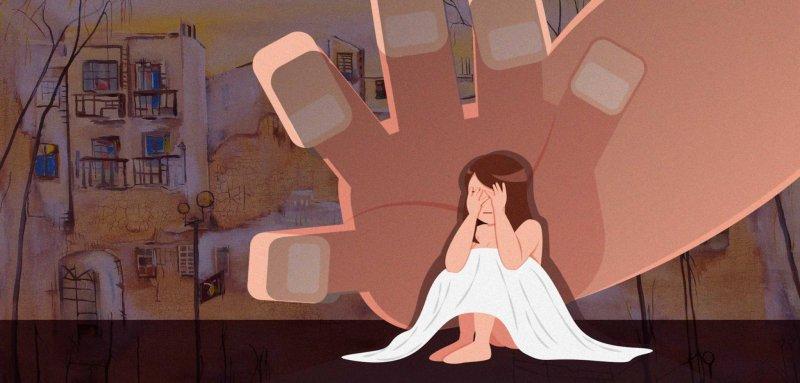

Pedophilia Between Disorder and Crime
How Deviant Desires Turned into an Exploitation Network on Epstein Island
Cases of sexual abuse against children are no longer isolated incidents. They increasingly reveal complex patterns combining psychological disorder, legal failure, and societal silence. The Epstein Island case stands out as one of the most shocking examples, showing how pathological inclinations can transform into an organized system of exploitation when power, money, and impunity converge.
What is Pedophilia? (Scientific and Psychological Definition)
Scientifically, pedophilia is defined as a sexual preference disorder characterized by persistent and recurrent sexual attraction to prepubescent children, typically lasting for six months or more. This disorder is listed in psychiatric manuals and can only be diagnosed by qualified professionals.
Psychologically, pedophilia involves more than sexual attraction; it encompasses:
-
Imbalance of power
-
Desire for control
-
Objectification of the child
In such cases, the child is not seen as a human being, but as a vulnerable object to be exploited.
Inclination or Criminal Behavior? A Critical Distinction
One of the most common mistakes is confusing sexual inclination with criminal behavior:
-
Inclination: An internal psychological state, not a crime in itself, and can be managed or treated.
-
Criminal behavior: The act of abusing or exploiting a child, a fully constituted crime punishable by law.
Confusing the two can lead to:
-
Demonizing non-offending individuals, making them hide and avoid treatment.
-
Justifying offenders by claiming “it’s a disorder.”
In the Epstein case, it was not merely an inclination, but organized acts, recruitment of minors, and silencing victims—clearly criminal conduct.
Is Pedophilia a Disorder or a Choice?
Experts agree that:
-
Inclinations are not a choice
-
Abuse is a choice and a full responsibility
A person cannot choose their psychological disorder, but they can choose:
-
Whether to seek treatment
-
Whether to set boundaries
-
Or whether to exploit a child
The Epstein case clearly shows the conscious choice to commit crimes, not the inability to resist a disorder.
Symptoms and Diagnosis
Possible symptoms include:
-
Recurrent sexual thoughts or fantasies about children
-
Psychological conflict or denial
-
Anxiety and depression
-
Impulsivity or loss of control
Diagnosis is:
-
Not self-determined
-
Not based on occasional thoughts
-
Requires a full psychiatric evaluation to assess risk and behavior
Possible Causes of Pedophilia
There is no single direct cause; it is usually a combination of factors:
-
Disturbances in psychological development
-
Early trauma
-
Neurological deficits in behavioral control
-
Social isolation
-
Normalization of deviant thoughts
However, these factors alone do not create a large-scale exploitation network.
In Epstein’s case, wealth, influence, and lack of oversight turned personal inclinations into a mass tragedy.
Psychological and Physical Harm to Children
Short-term Psychological Effects
-
Fear and anxiety
-
Silence and withdrawal
-
Sleep disturbances
-
Guilt and shame
Long-term Psychological Effects
-
Post-Traumatic Stress Disorder (PTSD)
-
Chronic depression
-
Trust and relationship difficulties
-
Self-harm or addiction
Physical Harm
-
Injuries
-
Chronic pain
-
Sleep and eating disorders
-
In some cases, sexually transmitted diseases
Victims of Epstein reported years of psychological suffering, some persisting even after the case was exposed.
Why Do Children Rarely Speak Up?
Children often do not report abuse due to:
-
Fear of threats
-
Shame
-
Lack of understanding
-
The abuser being a person of authority
-
Fear of disbelief
In Epstein’s case, gifts, money, and silent threats were used to silence victims.
How Can a Child Be a Victim Without Anyone Noticing?
-
Sudden behavioral changes
-
Fear of certain people or places
-
Age-inappropriate sexual knowledge
-
Withdrawal or aggression
-
Involuntary urination or sleep disturbances
Warning Signs to Watch For
-
Unusual silence
-
Refusal to go to specific places
-
Unexplained physical pain
-
Sharp mood changes
Teaching Children About Body Boundaries
Education should not frighten children, but empower them:
-
My body is mine
-
Speak up against uncomfortable touch
-
No harmful secrets
-
Identify safe adults
-
Right to say “no”
The Danger of Silence and Fear
Silence does not protect the child—it protects the abuser.
Early reports against Epstein were ignored, leading to more victims.
Role of Parents and Schools
-
Believe the child
-
Avoid blaming
-
Monitor behavioral changes
-
Immediate reporting
-
Provide professional psychological support
Laws and Punishments
-
Sexual inclinations alone are not criminal
-
Any child abuse is a serious crime
-
Severe penalties, including long-term imprisonment
-
Child protection is a legal priority
Epstein’s case revealed that law, when lacking transparency, can become a tool of cover-up rather than protection.
Treatment of Pedophilia and Prevention
Treatment is possible, especially before crimes occur, and includes:
-
Cognitive Behavioral Therapy (CBT)
-
Medication in some cases
-
Long-term follow-up
Early treatment:
-
Reduces risk of abuse
-
Protects the community
-
Provides the patient with control tools
Can Treatment Reduce Crimes?
Studies show that structured and consistent treatment under supervision significantly reduces the risk of committing abuse.
However, treatment does not replace legal accountability.
Social Stigma: A Double-Edged Sword
Stigma:
-
Prevents patients from seeking help
-
Pushes them into hiding
-
Increases risk rather than reducing it
Conversely, protecting powerful individuals—as in Epstein’s case—is far more dangerous than stigma itself.
Role of Society in Awareness and Prevention
-
Raise awareness
-
Break the silence
-
Protect whistleblowers
-
Avoid idolizing authority
-
Support victims psychologically and legally
Conclusion
The Epstein Island case was not an isolated incident but a mirror of collective failure:
-
Psychological disorder unaddressed
-
Law not enforced fairly
-
Society chose silence
Protecting children requires awareness, prevention, early treatment, and uncompromising justice, not punishment alone.