
Diabetic Foot Care & Advanced VAC Therapy: Clinical Protocols to Prevent Amputation & Accelerate Tissue Healing
Diabetic wounds are not typical abrasions. The interplay of neuropathy and peripheral vascular ischemia can escalate a simple scrape into a limb-threatening infection. Discover how Negative Pressure Wound Therapy (VAC) and revascularization save limbs.
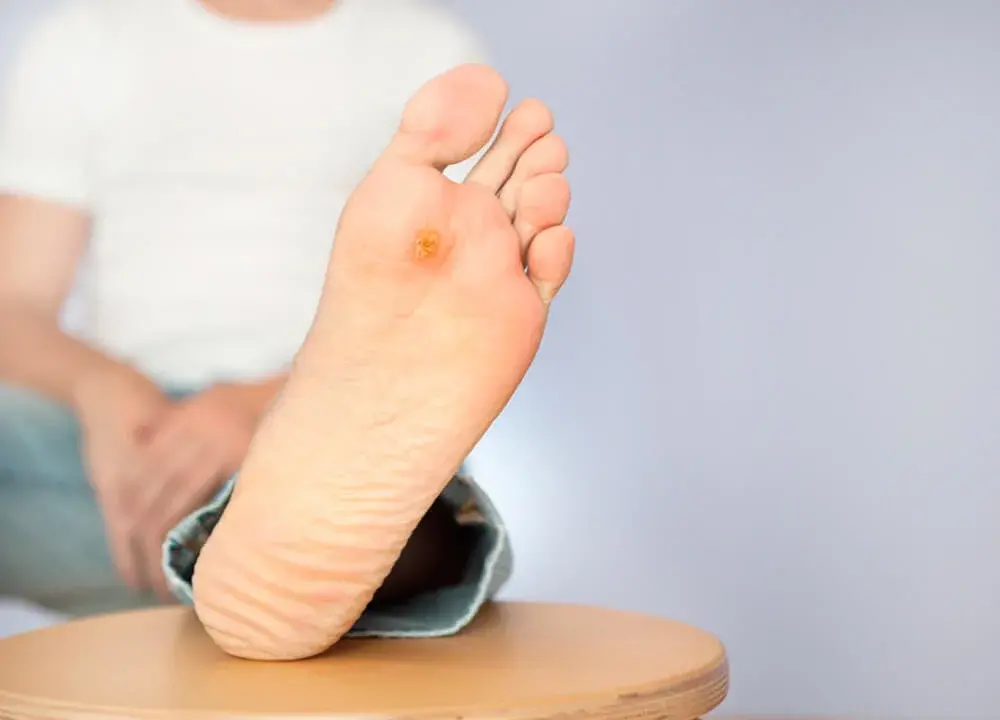
🔬 Pathophysiology: Why Diabetic Foot Complications Advance Silently
Diabetic foot ulcers arise from a dangerous synergy of microvascular and macrovascular pathology combined with sensory impairment:
- Diabetic Peripheral Neuropathy: Chronic hyperglycemia leads to demyelination of sensory fibers, dulling responses to pressure, heat, and sharp objects. A patient may step on a tack or develop severe blisters without registering pain.
- Peripheral Arterial Disease (PAD): Accelerated atherosclerosis occludes tibial, peroneal, and pedal arteries, reducing capillary oxygen tension (TcPO2) and depriving cells of systemic antibiotics and immune leukocytes needed for repair.
⚠️ The Danger of Pain Absence
In diabetic pathology, lack of pain is a red flag, not a sign of recovery. It indicates established sensory denervation, masking bacterial colonization deep inside tendon sheaths, fascial planes, and plantar bones.
⚡ VAC Therapy (Vacuum-Assisted Closure): The Modern Limb Salvage Standard
Negative Pressure Wound Therapy (NPWT/VAC) utilizes a specialized open-cell reticulated polyurethane foam dressing sealed with an adhesive transparent film, connected to a computerized vacuum pump:
Continuous Exudate Evacuation
Removes interstitial edema, slough, and bacterial bio-burden around the clock, maintaining an optimal moist healing environment.
Enhanced Local Perfusion
Controlled mechanical sub-atmospheric pressure dilates microvasculature, surging oxygen and growth factors directly into the wound bed.
Rapid Granulation Matrix
Micro-mechanical strain stimulates cellular proliferation and fibroblast migration, drastically contracting deep cavitary ulcers.
Averting Premature Amputation
Replaces painful, ineffective traditional dressings, converting complex non-healing wounds into clean, graftable surfaces.
🚦 Clinical Red Flags Requiring Urgent Vascular Surgery Evaluation
Patients and caregivers must immediately report any of the following clinical warning signs:
| Visible Sign | Clinical Indication | Emergency Intervention |
|---|---|---|
| Black / Dusky Skin Discoloration | Critical limb ischemia and tissue necrosis (incipient gangrene) | Urgent arterial Doppler and endovascular catheter revascularization |
| Foul Odor or Purulent Drainage | Deep-space polymicrobial and anaerobic soft-tissue infection | Surgical debridement, targeted intravenous antibiotics, and VAC initiation |
| Persistent Coldness of Foot or Toes | Acute or chronic macrovascular pedal artery occlusion | Angioplasty with drug-coated balloon or surgical bypass grafting |
| Unilateral Plantar Warmth & Swelling | Deep plantar abscess or acute neuroarthropathy (Charcot Foot) | Immediate total contact casting, offloading, and surgical drainage |
📋 Comprehensive Daily Foot Care Checklist for Diabetic Patients
🔍 Daily Mirror Screening
Inspect soles and interdigital webs daily under bright lighting, using a floor mirror or asking family members.
🧼 Gentle Hygiene & Complete Drying
Wash with lukewarm water; always pat dry thoroughly between toes with soft towels to prevent fungal maceration.
👟 Seamless Therapeutic Footwear
Wear wide-toe medical shoes with custom orthotics; always check inside shoes with hands for grit or foreign debris.
🚫 Never Walk Barefoot
Avoid walking barefoot indoors or outdoors. Unnoticed punctures from carpet needles or tiles are the #1 ulcer trigger.
❓ Frequently Asked Questions (FAQ)
Q: Is VAC therapy painful for the patient during treatment?
A: Most patients report immediate relief because the negative pressure relieves fluid engorgement and interstitial tissue pressure. Dressings are changed every 48–72 hours using atraumatic non-adherent wound contact layers.
Q: I was told my foot ulcer requires amputation. Is there still hope?
A: In numerous instances, amputation is recommended prematurely without assessing peripheral arterial blood flow. When vascular surgeons perform balloon angioplasty to restore arterial pulse followed by specialized VAC therapy, over 85% of at-risk limbs can be successfully salvaged.
Q: How long does a chronic diabetic ulcer take to heal with VAC?
A: While traditional dressing protocols often take many months or fail, VAC therapy combined with arterial revascularization and glycemic control typically achieves complete healthy granulation within weeks.
Dr. Ahmed Gharib
Consultant Vascular Surgeon in Cairo • Specializing in advanced diabetic foot management, VAC Therapy for limb salvage, peripheral catheter angioplasty, hemodialysis AV fistulas, and minimally invasive varicose vein treatment.