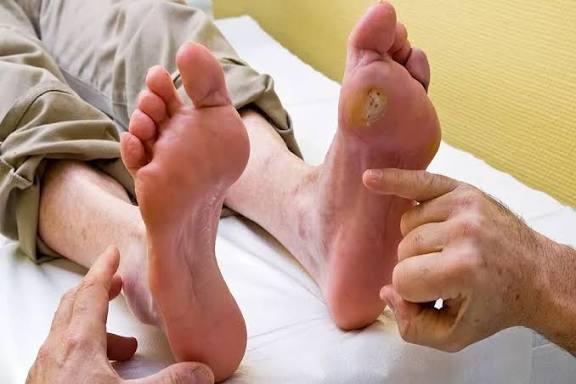

Diabetic Foot Treatment: Symptoms, Care, and Prevention | Dr. Mohamed Magdy Badr
Diabetic foot problems can develop when diabetes affects the nerves or reduces blood flow to the feet, increasing the risk of wounds, infections, and delayed healing. Recognizing early warning signs and seeking appropriate medical assessment can help reduce the risk of serious complications. Dr. Mohamed Magdy Badr highlights the importance of understanding diabetic foot treatment and caring for the feet, particularly when wounds, changes in skin color, altered sensation, or unusual foot temperature occur.
Contact Information for Dr. Mohamed Magdy Badr
Doctor:
Dr. Mohamed Magdy Badr
Address:
41 El-Hegaz Street, next to El Tawheed & El Nour, above Etisalat Company, Heliopolis, Cairo, Egypt.
Phone:
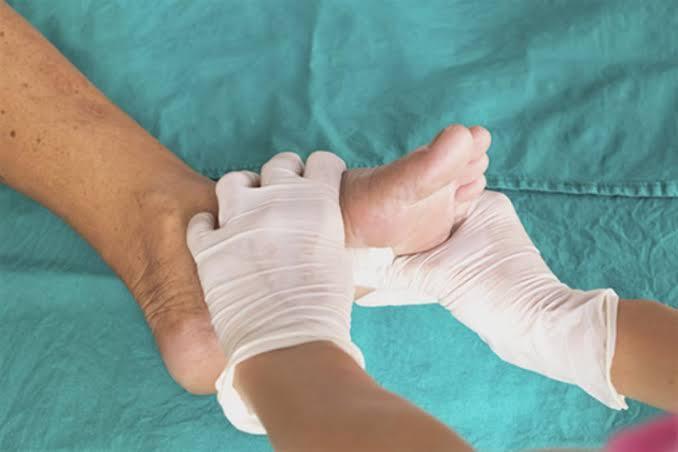
What Is Diabetic Foot?
Diabetic foot is a term used to describe several foot problems that may affect people with diabetes, including ulcers, wounds, infections, and tissue damage. These complications are often associated with peripheral neuropathy, which reduces the ability to feel pain, heat, or pressure, or with poor circulation, which can limit blood supply to the tissues and slow healing.
A person with diabetes may develop a small wound from tight shoes or repeated friction without noticing it at first. If the wound is not identified and treated promptly, it may develop into an ulcer or become infected, particularly when circulation is poor or blood glucose levels remain high.
Having diabetes does not mean that foot complications are inevitable. However, managing blood glucose, inspecting the feet regularly, and caring for the skin and nails can help reduce the risk. Any new change in the foot should be taken seriously, even when it is not painful.
What Causes Diabetic Foot Problems?
Several factors may contribute to foot complications in people with diabetes, and more than one factor may be present at the same time.
Common contributing factors include:
-
Peripheral neuropathy: Reduced sensation can make it difficult to notice cuts, burns, pressure, or repeated friction.
-
Poor circulation: Reduced blood flow may limit the oxygen and nutrients reaching the tissues, slowing wound healing.
-
High blood glucose: Poorly controlled diabetes can damage nerves and blood vessels and increase the risk of complications.
-
Unsuitable footwear: Tight shoes or shoes that cause friction may lead to blisters and wounds, particularly when sensation is reduced.
-
Failure to inspect the feet: Wounds, swelling, and skin changes may go unnoticed for too long.
-
Foot deformities or repeated pressure: Changes in foot structure can place extra pressure on certain areas and increase the risk of ulcers.
The cause and severity of a foot problem cannot always be determined by looking at the wound alone. An assessment may include checks of sensation, circulation, and the condition of the affected tissue.
What Are the Warning Signs of Diabetic Foot?
Diabetic foot problems may begin with minor changes, and a person with neuropathy may not feel pain. Daily foot inspections are therefore important.
Warning signs include:
-
A wound, ulcer, or cracked skin.
-
Redness or swelling in the foot or toes.
-
Blue, black, or unusually dark areas of skin.
-
Discharge or an unusual odor from a wound.
-
A localized area that feels warmer than the surrounding skin or the other foot.
-
Tingling, numbness, or reduced sensation.
-
An unusually cold foot or changes in skin color, particularly when circulation problems are present.
Any new wound in a person with diabetes should be assessed promptly, even if it is small or painless. Blackened tissue, pus, rapidly spreading redness, or fever may indicate a serious infection requiring urgent care. Sudden coldness, pale or blue discoloration, severe pain, or loss of sensation also requires emergency assessment.
How Is Diabetic Foot Treated?
Treatment depends on the type of problem, wound depth, presence of infection, circulation, nerve function, and blood glucose control. There is no single treatment plan suitable for every patient; the appropriate approach is determined after a medical assessment.
Treatment may involve several steps:
Wound assessment and cleaning: A clinician examines the wound, its depth, and the surrounding tissue. Appropriate cleaning and dressings may be recommended. Strong chemicals or home remedies should not be applied to wounds without medical advice.
Treatment of infection: If infection is suspected, the clinician determines the appropriate treatment. Severe cases may require additional tests or specialist care. Antibiotics should not be taken without a prescription.
Reducing pressure on the affected area: Suitable offloading measures may be recommended because continued friction or pressure on an ulcer can interfere with healing.
Assessment of circulation: If blood flow to the foot is reduced, vascular assessment may be necessary to determine whether specialist intervention is required.
Improving diabetes management: Following the prescribed diabetes treatment plan and monitoring blood glucose can support tissue health and reduce the risk of complications, in coordination with the treating clinician.
Severe cases, including deep infection, dead tissue, or significant circulation problems, may require urgent hospital care or specialist intervention. Early treatment aims to control the problem and reduce the risk of spreading infection or tissue loss.
Can Diabetic Foot Ulcers Be Treated at Home?
Diabetic foot ulcers require medical assessment. Home treatment alone or waiting for a wound to heal on its own is not recommended. A small-looking ulcer may be deeper than it appears or may be associated with infection or poor blood flow.
Until the foot has been assessed, avoid putting pressure on the wound, walking barefoot, or attempting to remove tissue or open the wound yourself. Do not apply strong antiseptics, creams, or traditional remedies unless recommended by a healthcare professional.
Seek urgent care if the wound has pus, increasing swelling, spreading redness, or darkened tissue. Fever or a rapid deterioration in general health requires emergency assessment.
How Can Diabetic Foot Problems Be Prevented?
Daily foot care can help identify problems early and reduce the likelihood of ulcers. People with diabetes should consider making the following steps part of their daily routine:
-
Inspect both feet every day, including the soles and the areas between the toes. Use a mirror if needed.
-
Wash the feet gently and dry them thoroughly, especially between the toes.
-
Use a suitable moisturizer for dry skin, but avoid leaving excess moisture between the toes.
-
Wear comfortable, properly fitted shoes and check the inside before putting them on.
-
Avoid walking barefoot, even indoors.
-
Trim nails carefully and seek professional help if nail care is difficult or foot problems are present.
-
Monitor blood glucose and follow the prescribed treatment plan.
-
Attend regular foot examinations, especially if there is a history of ulcers, reduced sensation, or circulation problems.
Do not attempt to remove calluses or treat ingrown toenails with sharp tools at home, as this can cause wounds that may be difficult to heal.
When Should You Seek Medical Care for Diabetic Foot?
Prompt assessment is important if you notice a new wound, ulcer, swelling, redness, or discharge. Changes in skin color, a blackened area, unusual warmth, or new pain should also be taken seriously.
Emergency care is necessary if there are signs of a severe infection, such as fever or rapidly spreading redness, or if the foot suddenly changes color, temperature, or sensation. Do not wait for a routine appointment when these warning signs occur.
Early diagnosis helps identify the cause of the problem and determine suitable treatment. It may also reduce the risk of a wound progressing to more serious complications. Regular foot inspections and prompt attention to new changes are essential parts of diabetes care.
Contact Dr. Mohamed Magdy Badr
If you have a foot wound or notice changes in your skin or sensation, do not ignore the symptoms. Seek an appropriate medical assessment and contact Dr. Mohamed Magdy Badr to ask about arranging a visit and evaluating your condition.
Address:
41 El-Hegaz Street, next to El Tawheed & El Nour, above Etisalat Company, Heliopolis, Cairo, Egypt.
Phone: