
🩺 Digestive System Diseases
A Complete Guide to Understanding Causes, Symptoms, and Modern Treatment Methods
Do you suffer from recurring stomach pain, bloating, heartburn, or persistent digestive issues? It may not be a simple problem… but rather a digestive system disease that requires accurate diagnosis and specialized treatment.
🧠 Introduction: What Are Digestive System Diseases?
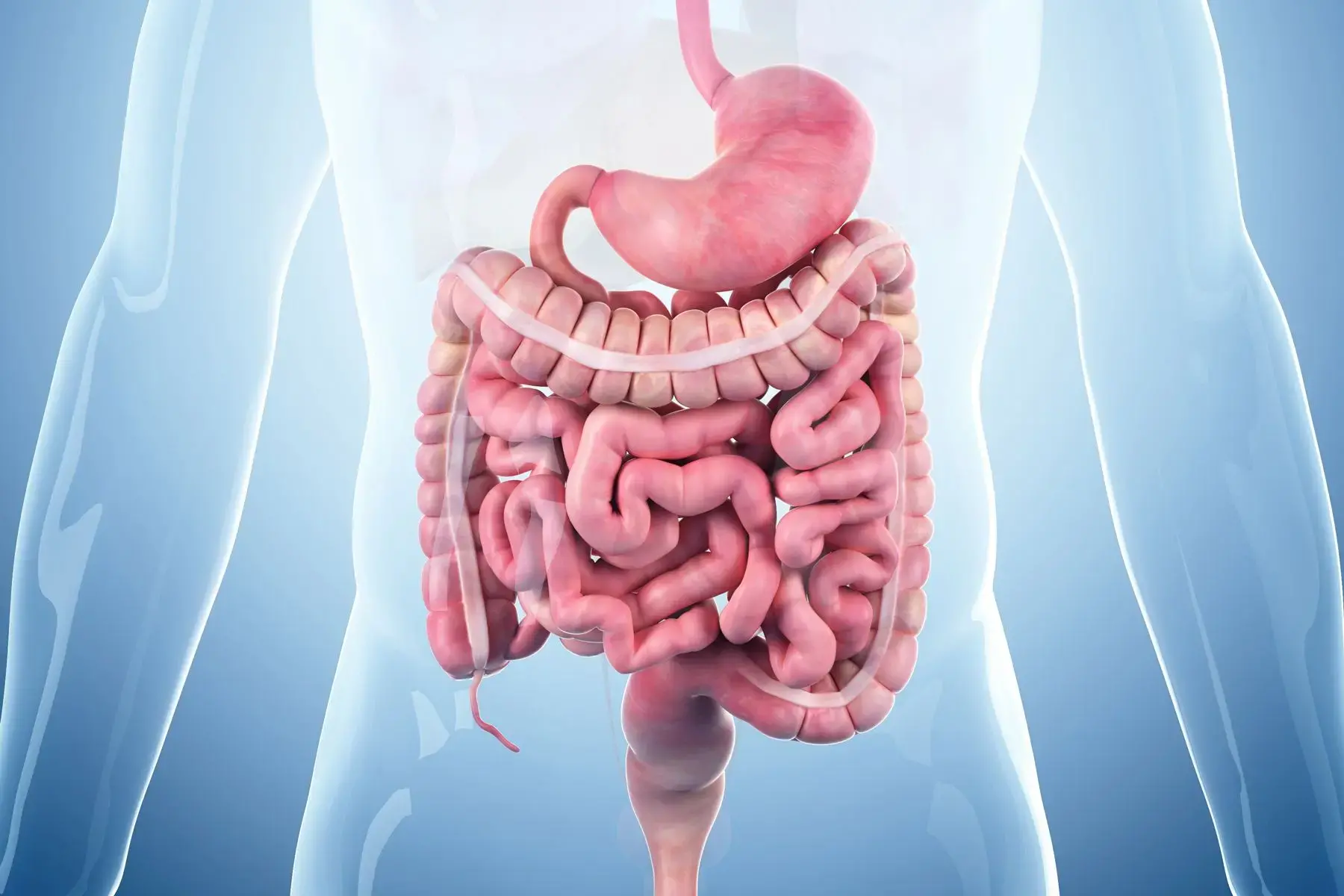
Digestive system diseases are among the most common health problems and include any disorder affecting:
Stomach
Small and large intestines
Esophagus
Liver
Gallbladder
Pancreas
These conditions range from simple issues like indigestion to more serious diseases such as ulcers and chronic inflammatory bowel conditions.
⚠️ Common Symptoms of Digestive System Diseases
Symptoms vary depending on the condition, but common signs include:
Abdominal pain or cramps
Persistent bloating
Heartburn and acid reflux
Nausea or vomiting
Chronic diarrhea or constipation
Unexplained weight loss or loss of appetite
🦠 Most Common Digestive System Diseases
🔹 1. Gastroesophageal Reflux Disease (GERD)
Occurs when stomach acid flows back into the esophagus causing chronic heartburn.
🔹 2. Stomach Ulcers
Caused by erosion of the stomach lining due to acid or bacterial infection.
🔹 3. Irritable Bowel Syndrome (IBS)
A functional disorder that causes abdominal pain, bloating, and changes in bowel habits.
🔹 4. Gastritis
Inflammation of the stomach lining caused by infections or excessive use of painkillers.
🔹 5. Liver Diseases
Such as fatty liver disease or viral hepatitis infections.
🧪 Causes of Digestive System Diseases
There are many factors that contribute to digestive problems, including:
Unhealthy diet
Excessive fatty and spicy foods
Stress and anxiety
Bacterial or viral infections
Overuse of medications
Unhealthy lifestyle habits
🩺 How Are Digestive Diseases Diagnosed?
Diagnosis depends on:
Clinical examination
Laboratory tests
Endoscopy (stomach or colon)
Imaging and specialized scans
💊 Treatment Methods for Digestive System Diseases
Treatment varies depending on the condition and may include:
Acid-reducing medications
Antibiotics for infections
IBS management medications
Dietary changes
Stress reduction
Regular medical follow-up
🥗 Prevention Tips for Digestive System Diseases
Eat a balanced healthy diet
Increase fiber and vegetables intake
Avoid fatty and spicy foods
Drink enough water
Avoid smoking
Exercise regularly
👨⚕️ Role of Dr. Salah Afifi in Treating Digestive Diseases
Dr. Salah Afifi is a specialist in diagnosing and treating digestive system diseases with high accuracy, focusing on:
Early diagnosis of digestive disorders
Using advanced endoscopy and diagnostic tools
Creating personalized treatment plans for each patient
Managing chronic conditions such as IBS and GERD
Improving patients’ quality of life and reducing chronic symptoms
💡 Conclusion
Digestive system diseases are among the most common health issues, but they are manageable and treatable with early diagnosis and a healthy lifestyle.
With the expertise of Dr. Salah Afifi, patients can achieve accurate diagnosis, effective treatment, and significant improvement in quality of life.