Dr. Salah Afifi

Dr. Salah Afifi

Verified account

Top Internal Medicine, Diabetes & Hypertension Consultant in Hadaeq El Qubba

Internal doctors Cairo, Hadayek Elkoba 5 (69 Reviews)
Egypt's #1 Verified Directory Verified Information
Contact
Available Now
Book Appointment / Phone Whatsapp
Address

82 Street 10 – In front of Hadaeq El Qubba Police Station, Hadayek Elkoba, Cairo

Location
Dr. Salah Afifi
Follow Us
Overview

Dr. Salah Afifi | Consultant of Internal Medicine, Diabetes & Hypertension – Hadaeq Al Qubba

Full Name Dr. Salah Afifi
City / Area Cairo , Hadayek Elkoba
Description

Dr. Salah Afifi – Top Internal Medicine, Diabetes & Hypertension Consultant in Hadaeq El Qubba

If you are looking for the best internal medicine doctor in Hadaeq El Qubba who offers accurate diagnosis, effective follow-up, and long-standing expertise in treating internal diseases, diabetes, hypertension, and endocrine disorders, Dr. Salah Afifi ⭐ is considered one of the most reputable physicians in the area, with a solid and accredited medical background.

Dr. Salah Afifi is a member of the Egyptian Society for Diabetes, Hypertension, and Endocrine Diseases, known for his highly professional approach, precise diagnostics, and exceptional patience with patients. This is why he is among the most trusted internists in Hadaeq El Qubba.


👨‍⚕️ Who is Dr. Salah Afifi?

Dr. Salah Afifi is an Internal Medicine Consultant specializing in diagnosing and treating chronic and complex diseases, with many years of experience managing conditions such as:

🩺 Diabetes

❤️ High blood pressure

🔬 Endocrine disorders

🍃 Gastrointestinal diseases (stomach & colon)

🧬 Metabolic disorders & high cholesterol

🫀 Internal cardiac conditions

He is known for his human approach and his clear, simple explanation of each case to the patient.


💉 Medical Services at the Clinic

1️⃣ Diabetes Care

If you are looking for the best diabetes doctor in Hadaeq El Qubba, Dr. Salah Afifi provides:

Comprehensive diabetes evaluation

HbA1c follow-up

Precise medication adjustment

Suitable dietary guidance

Treatment of diabetic complications such as neuropathy and diabetic foot

🔔 Patients receive a complete explanation and a real follow-up plan — not just a prescription.


2️⃣ Hypertension Clinic

The doctor offers advanced care for hypertension cases:

Full evaluation

Accurate dose adjustment

Lifestyle advice to reduce blood pressure naturally

Regular follow-ups

Cardiac and circulatory system check-up

This is why he is known as the best hypertension doctor in Hadaeq El Qubba.


3️⃣ Endocrine Disorders

Treatment includes:

Hypothyroidism

Hyperthyroidism

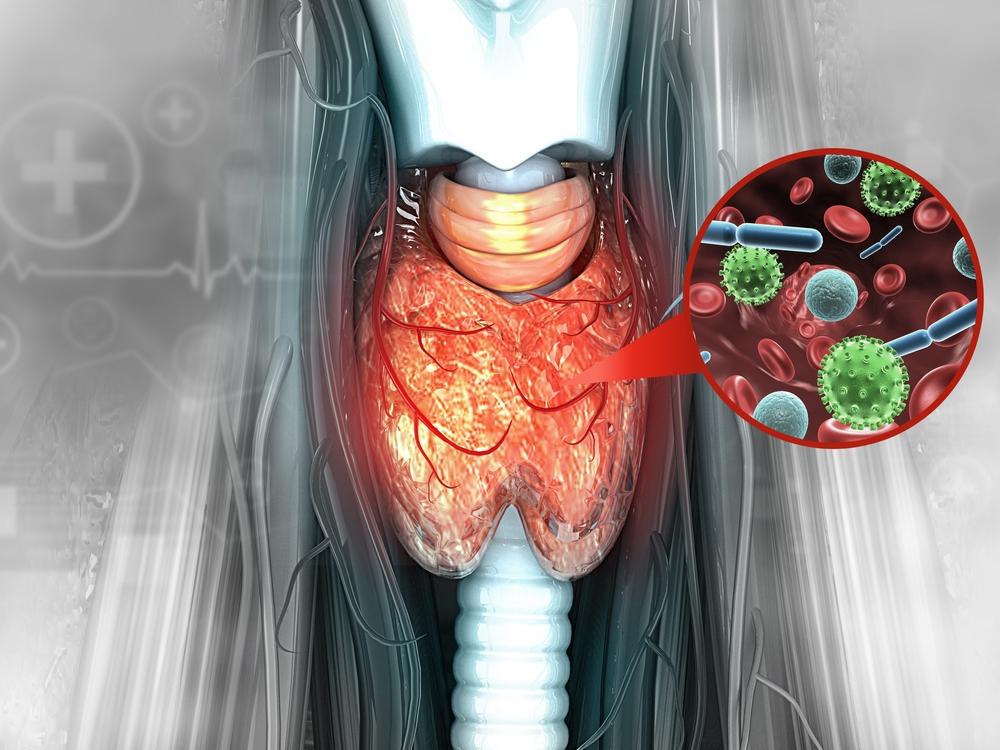
Thyroid inflammation

Pituitary gland disorders

Hormonal disorders

Metabolism issues & obesity

🔍 Diagnosis is based on thorough assessment and accurate investigations to ensure effective treatment.


4️⃣ Gastro Clinic

Dr. Salah treats:

Acid reflux

Irritable bowel syndrome (IBS)

Colitis

Indigestion

Gastritis

Liver problems

He is considered one of the top gastroenterology physicians in Hadaeq El Qubba due to his diagnostic accuracy.


5️⃣ Cardiac Services – In-Clinic ECG

ECG is available inside the clinic at an affordable price and is used for:

Diagnosing arrhythmias

Evaluating chest pain

Early detection of heart disorders

Monitoring hypertension & diabetes patients


6️⃣ Home Visit Service 🏠

For the comfort of our patients, Dr. Salah offers a home visit service
by prior arrangement with the doctor, suitable for:

Elderly patients
Patients with limited mobility
Cases that require medical follow-up at home


7️⃣ Online Medical Consultation Service 💻📞

Dr. Salah provides online medical consultations to make it easier for patients to receive medical advice without visiting the clinic.

🔹 Consultation fee: 200 EGP
🔹 Suitable for:

Follow-up after clinic visits
Reviewing lab tests and medical reports
Receiving trusted medical advice

📲 For booking and contact with Dr. Salah:
01012246919
01555553148


🌟 Why Choose Dr. Salah Afifi?

✔ Highly accurate diagnosis
✔ Extensive experience in diabetes, hypertension & endocrine diseases
✔ Continuous follow-up and flexible appointments
✔ Affordable consultation after the initial visit
✔ Respectful, humane patient care
✔ Competitive prices for the quality of service
✔ Excellent clinic location
✔ ECG available inside the clinic


💳 Clinic Prices

Internal Medicine Consultation: 300 EGP

Follow-up within one week: 100 EGP

ECG: 150 EGP

Very reasonable prices for the diagnostic level and expertise provided.


📍 Clinic Address – Hadaeq El Qubba

82 Street 10 – In front of Hadaeq El Qubba Police Station
A prime and easily accessible location.


🕕 Working Hours

⏰ 6 PM – 10 PM
❌ Friday: Closed


📞 Contact & Booking

📱 Mobile:
01012246919

💬 WhatsApp:
01012246919
01555553148

📧 Email:
[email protected]

🌐 Facebook:
Salah Afifi

📸 Instagram:
Afifisalah


🧑‍⚕️ Why Dr. Salah Afifi is Among the Best in Hadaeq El Qubba

  • Consultant-level expertise

  • Member of the Egyptian Society for Diabetes, Hypertension & Endocrine Diseases

  • Accurate, early diagnosis

  • High-quality patient follow-up

  • Humane and respectful communication

  • In-clinic ECG service

  • Wide experience with chronic cases

  • Reasonable prices


📢 Doctor’s Message to Patients

“Accurate diagnosis is the foundation of proper treatment.”
Dr. Salah believes that every patient deserves enough time, clear explanation, and a precise treatment plan for a healthier life.

News & Articles

Dec 17
 دكتور صلاح عفيفي

If you are looking for HbA1c treatment in Hadayek El Qobba or searching for the best diabetes doctor in Hadayek El Qobba, Dr. Salah Afifi is one of the most trusted consultants providing accurate diagnosis, effective follow-up, and personalized treatment plans.

Feb 03
د. صلاح عفيفي استشاري باطنة وسكر وضغط في حدائق القبة – القاهرة

If you’re dealing with uncontrolled blood sugar, high blood pressure, persistent fatigue, or recurring digestive complaints, a strong internal medicine plan can save you months of trial-and-error. This article explains what a solid diabetes/pressure follow-up looks like, what to prepare before your visit, and how Dr. Salah Afifi’s clinic in Hadayek El Qubba can support long-term management.

Feb 15
الدكتور صلاح عفيفي

If you are looking for the best internal medicine doctor in Hadayek El-Kobba who provides accurate diagnosis, effective follow-up, and extensive experience in treating internal diseases, diabetes, hypertension, and endocrine disorders, then Dr. Salah Afifi is one of the most prominent doctors in the area.

Mar 28
دكتور باطنة يعالج مريض سكري في عيادة حديثة في حدائق القبة

Learn about Dr. Salah Afifi, a specialist in internal medicine and chronic diabetes management in Hadaek El Qobba, offering comprehensive diagnosis and personalized treatment plans for chronic diseases.

May 16
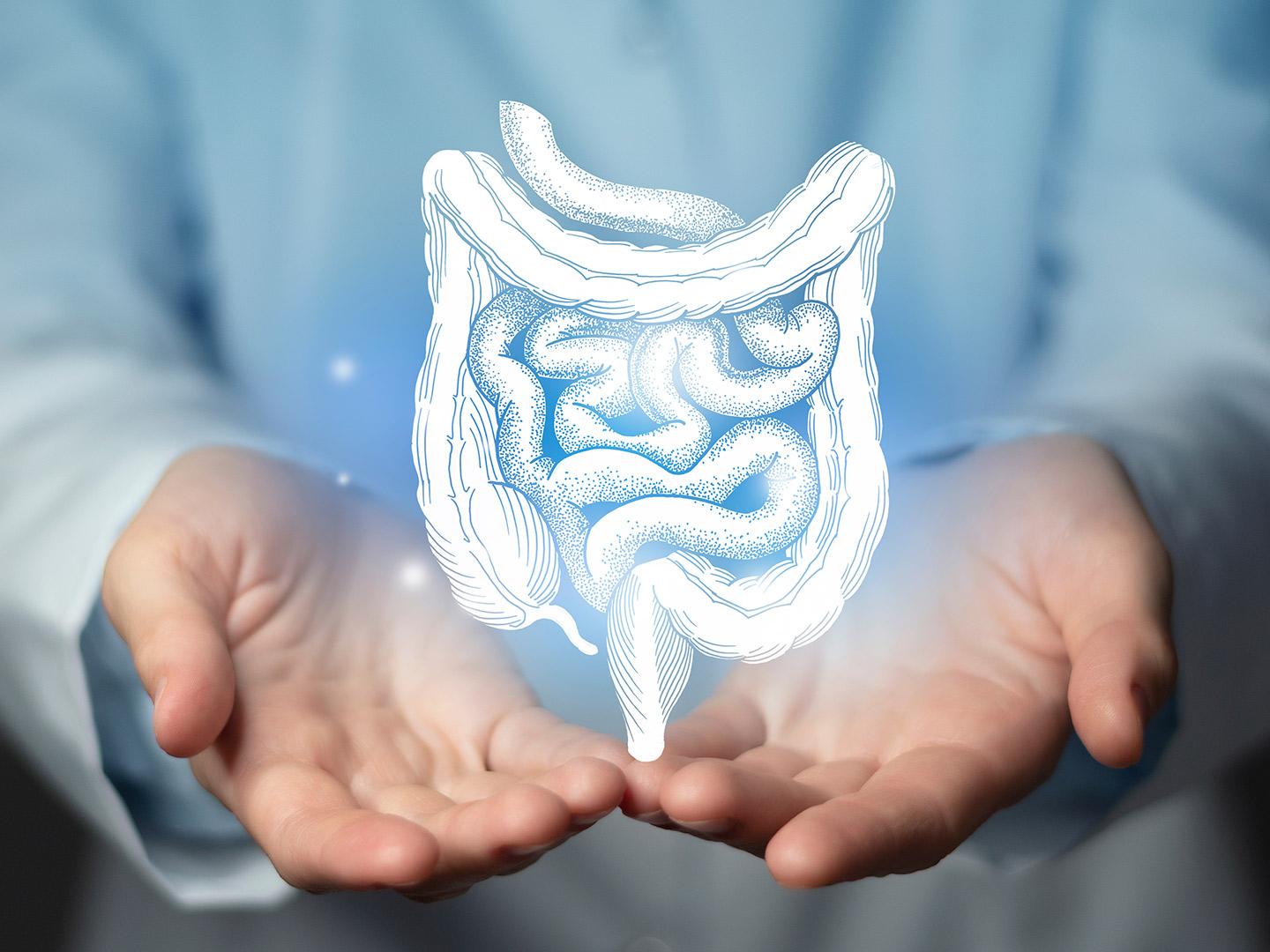
أمراض الجهاز الهضمي

Do you suffer from recurring stomach pain, bloating, heartburn, or persistent digestive issues? It may not be a simple problem… but rather a digestive system disease that requires accurate diagnosis and specialized treatment.

May 16
مرضي السكر

If you are looking for the best internal medicine and diabetes doctor in Hadayek El Kobba, Dr. Salah Afifi offers comprehensive medical care and extensive experience in treating chronic diseases and accurately diagnosing medical conditions.

May 19
علاج ارتفاع ضغط الدم

Hypertension, also known as high blood pressure, is one of the most common chronic diseases worldwide. It is often called the “silent killer” because it may develop without noticeable symptoms while gradually damaging the heart, brain, kidneys, and blood vessels.

Jul 06
علاج أمراض القلب بأحدث التقنيات مع دكتور صلاح عفيفي استشاري الباطنة والضغط في حدائق القبة

Are you looking for advanced heart disease treatment using the latest medical technologies? Dr. Salah Afifi provides accurate diagnosis and specialized follow-up for patients with heart disease and high blood pressure, offering in-clinic ECG services and personalized treatment plans tailored to each patient's condition in Hadayek El Kobba.

Jul 21
 وارتجاع المريء في حدائق القبة

Learn about heartburn and GERD treatment in Hadayek El Qobba with Dr. Salah Afifi, Internal Medicine Consultant. Discover the causes, symptoms, latest treatment methods, and medical follow-up options.

Aug 15
التهابات الغدة في حدائق القبة

Learn about the symptoms and causes of thyroid inflammation, diagnosis methods, and treatment options with Dr. Salah Afifi, Consultant of Internal Medicine, Diabetes, Blood Pressure and Endocrinology in Hadayek El Qobba.

Aug 15
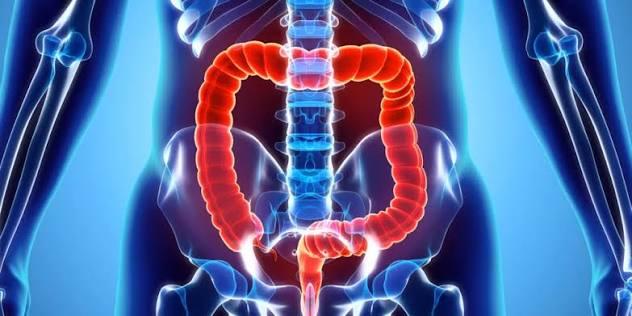
التهابات القولون

Learn about colitis, its symptoms and causes, the difference between colitis and irritable bowel syndrome, and when to consult Dr. Salah Afifi in Hadayek El Qobba.

Sep 14
علاج عسر الهضم في حدائق القبة

Learn about the causes and symptoms of indigestion, diagnosis and treatment options, and when you should consult an internal medicine specialist with Dr. Salah Afifi, Internal Medicine, Diabetes and Hypertension Consultant in Hadayek El Qobba.

FAQ

FAQ

Comprehensive and direct answers to the most frequently asked questions about available services and specialties.

Egypt's #1 Verified Directory

All details about Dr. Salah Afifi are available on his official profile on Misr Connect.

📞 01012246919

All information about Dr. Salah Afifi is available on his official profile on Masr Connect

Address: 82 10th Street, in front of Hadayek El-Qubba Police Station, Hadayek El-Qubba, Egypt



ألم القولون عادةً يُشعَر به في منطقة البطن، وغالبًا ما يكون متركزًا في أسفل البطن، خاصةً في الجانب الأيسر. ومع ذلك،
يمكن أن يمتد الألم إلى مناطق أخرى من البطن ويكون مصحوبًا بأعراض مثل الانتفاخ، الغازات، التقلصات، والإسهال أو الإمساك.

إذا كان الألم مزمنًا أو شديدًا، فمن الأفضل استشارة الطبيب لتشخيص الحالة والحصول على العلاج المناسب،
خاصةً لأن هذه الأعراض قد تكون مشابهة لحالات أخرى مثل التهاب الزائدة الدودية أو مشاكل في الأمعاء الدقيقة.

If you feel pain in your abdomen, you can distinguish between stomach pain and colon pain through the following points:

Location of Pain:

1. Stomach pain: It is usually located in the upper part of the abdomen, just below the chest.

2. Colon pain: It is typically in the lower abdomen, especially on the left side, but it may spread across the abdomen.

Nature of the Pain:

1. Stomach pain: It is usually a burning sensation or severe pain, especially after eating or when hungry, and may be accompanied by heartburn or nausea.

2. Colon pain: The pain is often in the form of cramps or spasms, and it may improve after passing gas or having a bowel movement.

Accompanying Symptoms:

1. Stomach pain: It may be associated with nausea, belching, heartburn, or a feeling of fullness.

2. Colon pain: It may be accompanied by bloating, gas, diarrhea or constipation, and sometimes a feeling of bloating in the lower abdomen.

Timing:

1. Stomach pain: It tends to increase after eating a heavy or spicy meal, and sometimes gets worse when lying down after eating.

2. Colon pain: It often worsens during times of stress or anxiety and is frequently related to digestive issues.

If the pain persists or is severe, it's recommended to visit a doctor for proper diagnosis and treatment.

Types of Colon Diseases:

  1. Irritable Bowel Syndrome (IBS): A disorder of bowel movement, causing abdominal pain, bloating, diarrhea, or constipation.

  2. Ulcerative Colitis: A chronic inflammation of the colon causing abdominal pain, bloody diarrhea, fatigue, and weight loss.

  3. Crohn's Disease: A chronic inflammation affecting the intestines and colon, causing abdominal pain, diarrhea, and weight loss.

  4. Ischemic Colitis: Reduced blood flow to the colon, causing abdominal pain and bleeding.

  5. Colon Tumors: Includes benign and malignant tumors, such as colon cancer, with symptoms like changes in bowel habits and weight loss.

  6. Diverticulosis and Diverticulitis: Small pockets in the colon that become inflamed, causing abdominal pain, fever, and nausea.

  7. Infectious Colitis: Caused by bacterial or viral infections, leading to diarrhea and cramps.

Each of these conditions requires different treatment, and it's advised to consult a doctor for proper diagnosis.


Acid reflux, or gastroesophageal reflux disease (GERD), is a condition where stomach acid flows back into the esophagus due to a weakened lower esophageal sphincter.

Symptoms of acid reflux:

1. Heartburn: A burning sensation in the chest, especially after eating or lying down.

2. Belching: Expelling gas from the stomach, often with a sour or bitter taste.

3. Difficulty swallowing: Pain or discomfort when swallowing food.

4. Sour or bitter taste in the mouth.

5. Sore throat or hoarseness.

6. Chronic cough: Persistent coughing not associated with respiratory issues.

7. Nausea.

8. Chest pain: It may sometimes feel like angina (heart pain).

When to see a doctor: If symptoms are persistent, severe, or if there’s chest pain with shortness of breath.

Tips to reduce symptoms:

1. Avoid foods that trigger acidity.

2. Eat smaller, more frequent meals.

3. Avoid lying down after eating.

4. Raise the head of your bed while sleeping.

5. Quit smoking and avoid alcohol.

Treatment includes dietary changes and medications to reduce stomach acid.

 
Acid Reflux (GERD):

1. It's a condition where stomach acid flows back into the esophagus due to a weakened or relaxed lower esophageal sphincter.

2. Symptoms include heartburn, burping, difficulty swallowing, and chest pain.

Esophagitis:

1. It refers to inflammation or irritation of the esophagus lining, caused by various factors like acid reflux, infection, or the effect of medications.

2. Symptoms include pain while swallowing, sore throat, hoarseness, and sometimes bleeding or ulcers in the esophagus.

Key Differences:

1. Cause: Acid reflux is the main cause of esophagitis, but esophagitis can also result from infection or medications.

2. Symptoms: Esophagitis may cause more intense pain while swallowing and could lead to ulcers or bleeding in the esophagus.

When to see a doctor: If symptoms persist or recur, it's best to visit a doctor for a proper diagnosis and appropriate treatment.


Here are some symptoms that may indicate a digestive issue:

  1. Persistent or intermittent abdominal pain or discomfort.
  2. Changes in bowel movements: such as frequent diarrhea or constipation.
  3. Bloating or excessive gas.
  4. Heartburn or acid reflux (acidic feeling in the stomach).
  5. Frequent nausea or vomiting.
  6. Unexplained weight loss.
  7. Difficulty swallowing.
  8. Changes in appetite (unexplained loss or increase).
  9. Presence of blood in stool or changes in stool color.
  10. Persistent fatigue or exhaustion.

If you experience any of these symptoms frequently or severely, it’s advisable to consult a doctor to determine the cause and receive appropriate treatment.


Some digestive system diseases can be dangerous, but it depends on the type of disease and how advanced it is. Here are some cases that could be dangerous:

  1. Chronic diseases: Conditions like Crohn's disease or ulcerative colitis, which can lead to complications such as chronic inflammation or blockages.

  2. Digestive system cancers: Like stomach or colon cancer, which can be serious, but early detection significantly improves treatment outcomes.

  3. Bleeding: Conditions like stomach ulcers or hemorrhoids can lead to internal bleeding, which requires immediate medical attention.

  4. Acute infections: Such as acute pancreatitis or appendicitis, which need urgent care.

  5. Absorption issues: Conditions like celiac disease can result in malnutrition.

  6. Organ function problems: In advanced stages, digestive system issues can lead to liver or pancreas failure.

Summary:
While some digestive system diseases are not life-threatening, others can lead to severe complications if not treated properly. It's important to see a doctor if you experience persistent or severe symptoms.

Symptoms of digestive system disorders can vary depending on the condition. Here are some common signs:
  1. Abdominal pain or discomfort: A sensation of pain or pressure in the abdomen.
  2. Changes in bowel movements: Diarrhea (loose stools) or constipation (difficulty passing stools).
  3. Bloating or gas: A feeling of fullness or gas buildup in the abdomen.
  4. Heartburn: A burning sensation in the stomach or chest.
  5. Nausea or vomiting: Frequent nausea or vomiting.
  6. Unexplained weight loss: Losing weight without any clear cause.
  7. Difficulty swallowing: Pain or difficulty swallowing food or liquids.
  8. Blood in the stool: Blood in the stool or a change in stool color (black stools).
  9. Fatigue or exhaustion: Constant tiredness or lack of energy.
  10. Fever or jaundice (yellowing of the skin): May indicate liver issues.

If any of these symptoms are persistent or severe, it's important to consult a doctor for proper diagnosis and treatment.


Symptoms of digestive system disorders can vary depending on the condition. Here are some common signs:

  1. Abdominal pain or discomfort: A sensation of pain or pressure in the abdomen.
  2. Changes in bowel movements: Diarrhea (loose stools) or constipation (difficulty passing stools).
  3. Bloating or gas: A feeling of fullness or gas buildup in the abdomen.
  4. Heartburn: A burning sensation in the stomach or chest.
  5. Nausea or vomiting: Frequent nausea or vomiting.
  6. Unexplained weight loss: Losing weight without any clear cause.
  7. Difficulty swallowing: Pain or difficulty swallowing food or liquids.
  8. Blood in the stool: Blood in the stool or a change in stool color (black stools).
  9. Fatigue or exhaustion: Constant tiredness or lack of energy.
  10. Fever or jaundice (yellowing of the skin): May indicate liver issues.

If any of these symptoms are persistent or severe, it's important to consult a doctor for proper diagnosis and treatment.


1. Gastroesophageal Reflux Disease (GERD): The acid from the stomach flows into the esophagus, causing heartburn.

2. Stomach Ulcer: Erosion of the stomach lining caused by stomach acid.

3. Gastritis: Inflammation of the stomach lining.

4. Crohn's Disease: Chronic inflammation affecting the small and large intestines.

5. Ulcerative Colitis: Inflammation in the large intestine.

6. Constipation: Difficulty in passing stools.

7. Diarrhea: Loose stools and increased bowel movements.

8. Gallstones: The formation of stones in the gallbladder.

9. Pancreatitis: Inflammation of the pancreas, causing severe abdominal pain.

10. Digestive System Cancer: Such as stomach and colon cancer.

11. Irritable Bowel Syndrome (IBS): Abdominal pain and changes in bowel movements.

Summary: Digestive diseases range from mild to serious. It's important to consult a doctor if symptoms persist.

Symptoms of Digestive Disorders:

  1. Abdominal pain or discomfort: A feeling of pain or pressure in the abdomen.
  2. Changes in bowel movements: Such as diarrhea (loose stools) or constipation (difficulty in passing stools).
  3. Bloating or gas: A feeling of bloating or accumulation of gas in the abdomen.
  4. Heartburn: A burning sensation in the stomach or chest.
  5. Nausea or vomiting: Persistent nausea or vomiting.
  6. Unexplained weight loss: Losing weight without any clear reason.
  7. Difficulty swallowing: Pain or difficulty while swallowing food or liquids.
  8. Blood in stool: Presence of blood or a change in stool color to black.
  9. Fatigue or exhaustion: Continuous feeling of tiredness or lack of energy.
  10. Fever or jaundice: May indicate liver problems.

If symptoms are persistent or severe, it is important to consult a doctor for proper diagnosis and treatment.

Digestive System Tests:

1. Gastroscopy: Used to examine the esophagus and stomach with a camera-equipped tube. It helps diagnose inflammation, ulcers, or tumors.

2. Colonoscopy: Used to examine the colon and rectum. It helps diagnose conditions like colitis and tumors.

3. X-ray: Used to image the digestive system using a special contrast (barium) to improve visibility.

4. Ultrasound: Used to examine internal organs like the liver or to detect gallstones.

5. MRI (Magnetic Resonance Imaging): Provides detailed images of organs and tissues.

6. Blood tests: Used to detect infections, liver issues, or anemia.

7. Breath tests: Used to diagnose food intolerances such as lactose intolerance.

8. Stool tests: Used to detect infections, worms, or blood in the stool.

9. Liver function tests: Used to assess liver health and detect any potential issues.

Summary: These tests help doctors determine the cause of digestive symptoms and guide appropriate treatment.

Drinks to improve digestive health:

1. Water: Improves digestion and prevents constipation.

2. Ginger tea: Helps soothe the stomach and improve digestion.

3. Mint tea: Relieves bloating and stomach pains.

4. Chamomile tea: A calming drink that helps treat indigestion.

5. Aloe vera juice: Soothes the digestive system and reduces inflammation.

6. Lemon juice: Promotes the secretion of digestive juices.

7. Coconut water: Helps hydrate and soothe the stomach.

8. Yogurt: Contains beneficial bacteria that support gut health.

9. Fresh orange juice: Rich in vitamin C, supporting digestion.

10. Green tea: Contains antioxidants that improve digestion.

11. Probiotic drinks (like kefir): Enhance beneficial bacteria in the gut.

Summary: These drinks are helpful in improving digestive health and can be incorporated into your daily diet.


1. Eat Healthy Food: Consume fiber-rich foods like vegetables and fruits. Avoid fatty or spicy foods.

2. Drink Water Regularly: Helps maintain proper digestion and prevent constipation.

3. Exercise: Exercise helps improve bowel movement and reduce stress.

4. Organize Meals: Avoid overeating and opt for smaller, balanced meals.

5. Reduce Stress: Stress can affect your digestive system, so try to relax and practice breathing exercises.

6. Avoid Smoking and Alcohol: Smoking and alcohol can negatively impact the stomach and intestines.

7. Visit a Doctor When Needed: If symptoms persist, consult a doctor for accurate diagnosis.

Summary: Maintaining good nutrition, staying active, and avoiding harmful habits help in preserving the health of your digestive system and stomach.


Search Directory