
Acid Reflux: Symptoms, Causes, and Treatment Options in Hadayek El-Qobba | Dr. Salah Afifi
Acid reflux is a common digestive condition that occurs when stomach contents flow back into the esophagus, sometimes causing heartburn, a sour taste in the mouth, or discomfort after meals. Although occasional reflux may not indicate a serious problem, frequent or persistent symptoms may require medical evaluation.
Dr. Salah Afifi provides a point of contact for individuals seeking information about acid reflux symptoms and treatment options in Hadayek El-Qobba. Understanding the causes, recognizing warning signs, and knowing when to seek medical advice can help patients take appropriate steps toward managing the condition.
Clinic Information
Dr. Salah Afifi
-
Address: 82 Street 10, opposite Hadayek El-Qobba Police Station
-
Working hours: 6:00 PM–10:00 PM
-
Day off: Friday
-
Phone and WhatsApp: 01012246919
-
Additional contact number: 01555553148
.jpg)
What Is Acid Reflux?
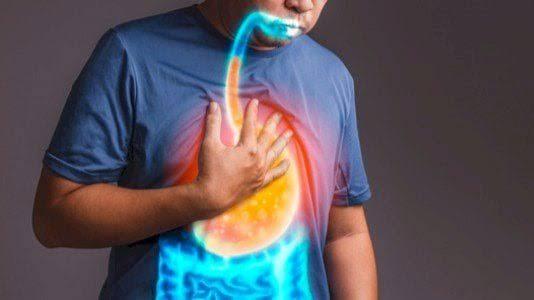
Acid reflux occurs when stomach contents move backward into the esophagus, the tube that carries food from the mouth to the stomach. This can happen when the lower esophageal sphincter, a muscular valve that normally helps prevent backward flow, does not close effectively.
Repeated reflux that causes troublesome symptoms or complications may be diagnosed as gastroesophageal reflux disease (GERD).
The severity and frequency of symptoms vary from person to person. Some people experience occasional heartburn, while others may have recurring symptoms that interfere with sleep, eating, or daily activities.
What Are the Common Symptoms of Acid Reflux?
Acid reflux can cause several symptoms, although not everyone experiences them in the same way.
Common symptoms include:
-
Heartburn: A burning sensation behind the breastbone, often after eating.
-
Regurgitation: A sensation of stomach contents or sour liquid rising into the throat or mouth.
-
Bitter or sour taste: An unpleasant taste, particularly after meals or when lying down.
-
Chest discomfort: A burning or uncomfortable sensation that may resemble other conditions.
-
Difficulty swallowing: Food may feel as though it is sticking in the throat or chest.
-
Chronic cough or throat irritation: These symptoms may occur in some people with reflux.
-
Hoarseness: Some patients notice changes in their voice, particularly in the morning.
Persistent swallowing difficulties, unexplained weight loss, repeated vomiting, or signs of gastrointestinal bleeding require prompt medical assessment.
What Causes Acid Reflux?
Acid reflux may occur for several reasons. It is often associated with the function of the lower esophageal sphincter and factors that increase pressure inside the abdomen.
Possible contributing factors include:
-
Eating large meals.
-
Lying down shortly after eating.
-
Being overweight or having obesity.
-
Pregnancy.
-
Smoking.
-
Certain foods or drinks that trigger symptoms in an individual.
-
Some medications that may contribute to reflux.
-
A hiatal hernia in some cases.
Not every factor affects every person. Identifying individual triggers can help guide practical changes in eating habits and daily routines.
What Is the Difference Between Occasional Heartburn and GERD?
Occasional heartburn may occur after a large meal or a particular food and may improve without ongoing treatment.
GERD is considered when reflux symptoms are persistent, recurrent, troublesome, or associated with complications. Symptoms that repeatedly interrupt sleep or affect daily activities should be discussed with a healthcare professional.
The frequency of symptoms alone does not always establish the diagnosis. A clinician may consider the patient's history, symptoms, examination, and the need for further testing.
Can Acid Reflux Cause Chest Pain?
Yes. Acid reflux can cause a burning sensation or discomfort in the chest. However, chest pain should not automatically be attributed to reflux.
Seek emergency medical care if chest pain is severe, new, or accompanied by shortness of breath, sweating, faintness, or pain spreading to the arm, back, neck, or jaw. These symptoms may indicate a heart-related emergency.
A medical evaluation is important when the cause of chest pain is uncertain.
How Is Acid Reflux Diagnosed?
Diagnosis often begins with a discussion of symptoms, their frequency, possible triggers, medical history, and any medications being taken.
Depending on the situation, a healthcare professional may recommend:
-
Clinical assessment: Reviewing symptoms and examining the patient when appropriate.
-
Upper gastrointestinal endoscopy: A procedure that allows the esophagus and stomach to be examined when indicated.
-
Esophageal pH monitoring: A test that measures acid exposure in the esophagus.
-
Other investigations: Additional tests may be considered when symptoms are unusual, persistent, or difficult to explain.
Not everyone with typical reflux symptoms needs every test. The appropriate approach depends on the individual case and whether warning signs or complications are suspected.
How Is Acid Reflux Treated?
Treatment depends on the frequency and severity of symptoms, the patient's medical history, and whether complications are present.
Management may involve lifestyle changes, medication, or further evaluation when symptoms persist.
Lifestyle Changes That May Help
Some practical measures may reduce reflux symptoms:
-
Eat smaller meals instead of very large portions.
-
Avoid lying down for approximately three hours after eating.
-
Identify and limit foods or drinks that consistently trigger symptoms.
-
Raise the head of the bed if reflux occurs during sleep.
-
Consider weight management when excess weight contributes to symptoms.
-
Avoid smoking.
These measures may help, but their effectiveness varies. Persistent symptoms may require medical assessment even when lifestyle changes have been made.
Medications for Acid Reflux
Several types of medication may be used, depending on the patient's symptoms and clinical assessment.
-
Antacids: May provide short-term relief by neutralizing stomach acid.
-
Alginate-based products: May help reduce reflux in some patients by forming a barrier above stomach contents.
-
H2-receptor blockers: Reduce the amount of acid produced by the stomach.
-
Proton pump inhibitors (PPIs): Reduce stomach acid production and are commonly used for troublesome reflux or GERD.
Medication choice, dosage, and duration should be based on individual needs. Patients who experience persistent symptoms or need frequent medication should consult a healthcare professional rather than relying on repeated self-treatment.
When Might Surgery Be Considered?
Surgery may be considered for selected patients with confirmed GERD when symptoms remain troublesome despite appropriate treatment, when certain complications are present, or when testing supports a surgical approach.
The decision requires careful assessment, and not every patient with acid reflux is a candidate for surgery. A specialist may recommend further investigations to determine whether an operation is likely to help.
Can Acid Reflux Become a Chronic Condition?
Yes. Some people experience reflux occasionally, while others develop a long-term pattern of symptoms.
Persistent GERD may affect sleep and daily comfort. In some cases, ongoing inflammation can damage the esophageal lining. A complication known as Barrett's esophagus can develop in a subset of patients with chronic reflux.
Having acid reflux does not mean that complications will necessarily occur. Appropriate evaluation and treatment can help manage symptoms and identify problems that require follow-up.
When Should You Seek Medical Advice?
Consider a medical assessment if you experience:
-
Frequent or persistent heartburn.
-
Reflux that repeatedly interrupts sleep.
-
Symptoms that continue despite appropriate lifestyle changes.
-
Difficulty or pain when swallowing.
-
Recurrent vomiting.
-
Unexplained weight loss.
-
Symptoms that require frequent use of non-prescription medication.
Vomiting blood, passing black stools, or experiencing severe chest pain with warning signs requires urgent medical attention.
Understanding Acid Reflux Treatment in Hadayek El-Qobba
Acid reflux can range from occasional heartburn to persistent symptoms that require further investigation. Recognizing the pattern of symptoms, understanding potential triggers, and discussing suitable treatment options with a healthcare professional can help guide management.
For patients seeking information about acid reflux in Hadayek El-Qobba, Dr. Salah Afifi's clinic is located at 82 Street 10, opposite Hadayek El-Qobba Police Station. Clinic hours are from 6:00 PM to 10:00 PM, with Friday as the day off.
The most appropriate treatment depends on an individual assessment, particularly when symptoms are persistent, severe, or accompanied by warning signs.