
Why Internal Medicine is often the “missing piece”
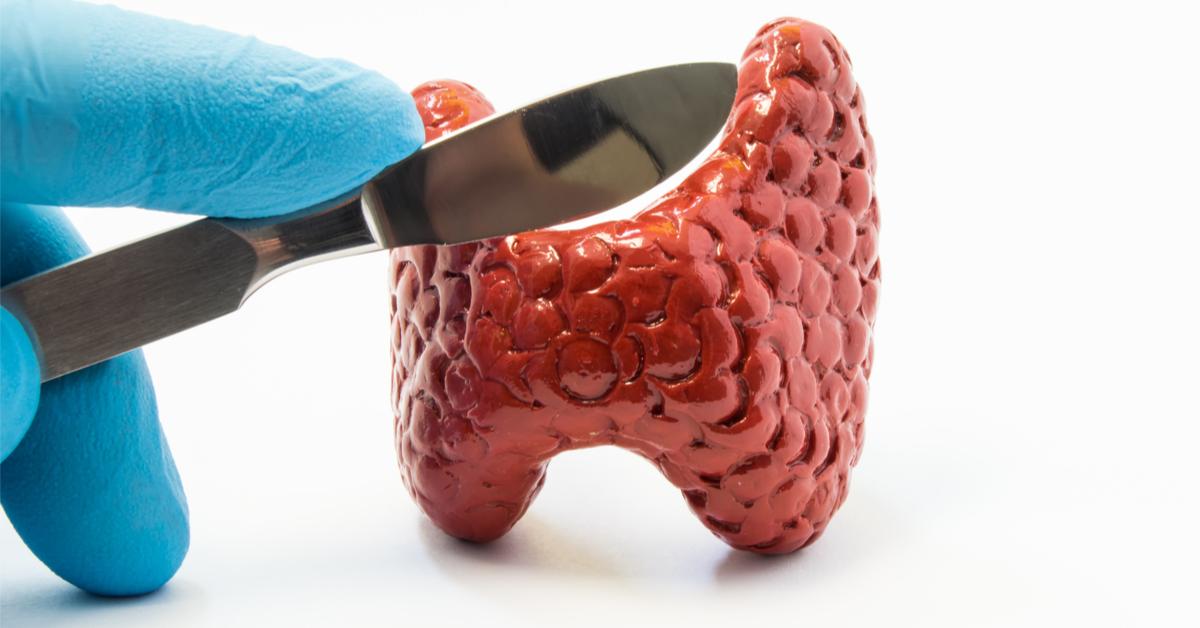
Many symptoms that feel unrelated can trace back to a single root cause: blood sugar instability, blood pressure fluctuations, thyroid/endocrine imbalance, cholesterol/metabolic issues, or chronic inflammation. Internal medicine is designed to connect these dots—especially when a patient has more than one ongoing issue.
Instead of treating each symptom in isolation, the goal is to build a clear medical picture: your history, current medications, lifestyle factors, family risks, and the right tests (not all tests). That’s why internal medicine follow-ups are critical for patients who are tired of “temporary fixes” and want a plan that holds up over time.
Who benefits most from diabetes & hypertension follow-up?
Diabetes and high blood pressure management isn’t only about today’s reading—it’s about trends, risks, and prevention. You should strongly consider structured follow-up if you have:
-
Repeated high fasting sugar or random sugar spikes
-
HbA1c results that don’t improve despite medication
-
Blood pressure readings that vary widely across the week
-
Symptoms like morning headaches, dizziness, palpitations, blurry vision, frequent urination, or numbness/tingling
-
Metabolic issues like high cholesterol, weight gain, or fatty liver concerns
On the practical side, good follow-up usually means: setting a realistic target range, choosing the right home measurements, adjusting treatment gradually (instead of constant switches), and making lifestyle changes that are actually doable.
What a “high-value” clinic visit should include
A strong internal medicine consultation typically follows a simple logic:
-
Accurate history: when symptoms started, triggers, what makes them better/worse
-
Medication review: dosing timing, side effects, interactions, missed doses
-
Focused testing: only what’s needed to confirm or rule out causes
-
Clear plan: treatment + monitoring + follow-up date
-
Simple explanation: you should leave understanding why this plan makes sense
According to Misr Connect, Dr. Salah Afifi is listed as a consultant focused on internal medicine cases related to diabetes and hypertension, and his profile highlights the importance of precise diagnosis and ongoing follow-up.
ECG availability and when it matters
Some internal medicine complaints overlap with cardiovascular warning signs—especially in patients with diabetes, hypertension, smoking history, or obesity. An in-clinic ECG can be useful when symptoms involve chest discomfort, strong palpitations, shortness of breath, or unexplained dizziness (the doctor decides when it’s appropriate). Dr. Salah Afifi’s profile mentions ECG availability in the clinic.
Online consultation and home visits: when they help
Not every visit needs to be in person. Online consultations can be particularly helpful for:
-
Reviewing lab results
-
Medication adjustments after a trial period
-
Stable follow-ups when symptoms are controlled
Home visits can be helpful for some elderly patients or those with limited mobility—especially if the main goal is ongoing monitoring and plan optimization. Dr. Salah Afifi’s profile indicates availability for online consultation and home visits (depending on case suitability and scheduling).
What to prepare before your appointment (to get the best outcome)
If you want the doctor to reach a decision faster, bring:
-
A list of current medications + doses
-
Home sugar/pressure readings (even 7–14 days helps)
-
Your latest labs (HbA1c, lipids, kidney function, etc.)
-
A short note describing your main complaints in order of priority
This alone often turns a “general” appointment into a targeted, high-impact plan.
Clinic details (as listed)
-
Area: Hadayek El Qubba
-
Address: 82 Street 10 – in front of Hadayek El Qubba Police Station
-
Phone: 01012246919
-
WhatsApp booking: +201555553148 (via wa.me link on listing)
-
Listed consultation price: 300 (as shown on Misr Connect listing)
Tip: call before visiting to confirm available time slots and whether your case is better handled in-clinic or via online follow-up.