
Does High Cholesterol Cause Direct Symptoms or Is It Only Detected by Tests?
Cholesterol is an essential fat in the human body that plays a key role in building cells and producing hormones. However, when cholesterol levels rise above normal, it increases the risk of serious cardiovascular diseases. This raises an important question: can high cholesterol be felt through symptoms, or is it only discovered through medical tests?
What Is Cholesterol?
Definition
Cholesterol is a waxy, fat-like substance produced by the liver and also obtained from animal-based foods such as meat, eggs, and dairy products.
Main Functions
- Building cell membranes
- Producing essential hormones
- Supporting vitamin D synthesis
- Aiding digestion through bile acids
Types of Cholesterol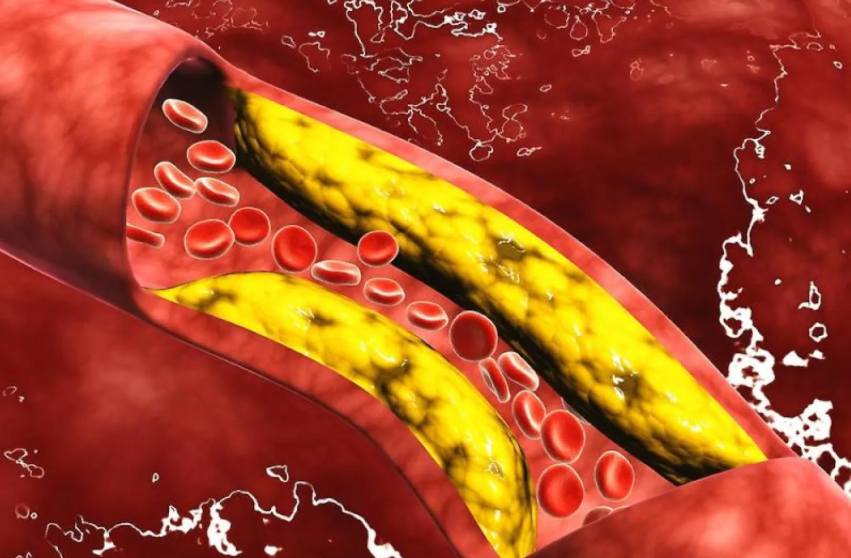
LDL (Bad Cholesterol)
Low-Density Lipoprotein (LDL) contributes to fatty deposits inside arteries, which can lead to narrowing and blockage over time.
HDL (Good Cholesterol)
High-Density Lipoprotein (HDL) helps remove excess cholesterol from the bloodstream and transports it to the liver for elimination.
Triglycerides
Triglycerides are another type of fat in the blood that increases due to high sugar intake and unhealthy diet habits.
Does High Cholesterol Cause Direct Symptoms?
In most cases, high cholesterol does NOT cause any direct or noticeable symptoms. People may feel completely normal even when cholesterol levels are dangerously high.
This is why it is often called a "silent condition".
Why Are There No Early Symptoms?
Cholesterol builds up slowly inside the arteries over many years. This gradual process does not cause pain or immediate warning signs, which makes it difficult to detect without testing.
When Do Symptoms Appear?
Symptoms usually appear only when complications develop, such as heart disease or blocked arteries.
Possible Symptoms
- Chest pain (angina)
- Shortness of breath
- Poor blood circulation
- Chronic fatigue
- Dizziness in severe cases
Early Warning Signs (Rare Cases)
In some rare cases, physical signs may appear such as:
- Yellow fatty deposits around the eyes
- Small fatty lumps under the skin
However, these signs are uncommon and cannot be relied upon for diagnosis.
How Is High Cholesterol Diagnosed?
The only accurate way to detect high cholesterol is through a blood test called a lipid profile.
What the Test Measures
- LDL (bad cholesterol)
- HDL (good cholesterol)
- Total cholesterol
- Triglycerides
Risk Factors
- Unhealthy diet rich in saturated fats
- Lack of physical activity
- Obesity
- Smoking
- Diabetes
- Genetic factors
Complications of High Cholesterol
Heart Disease
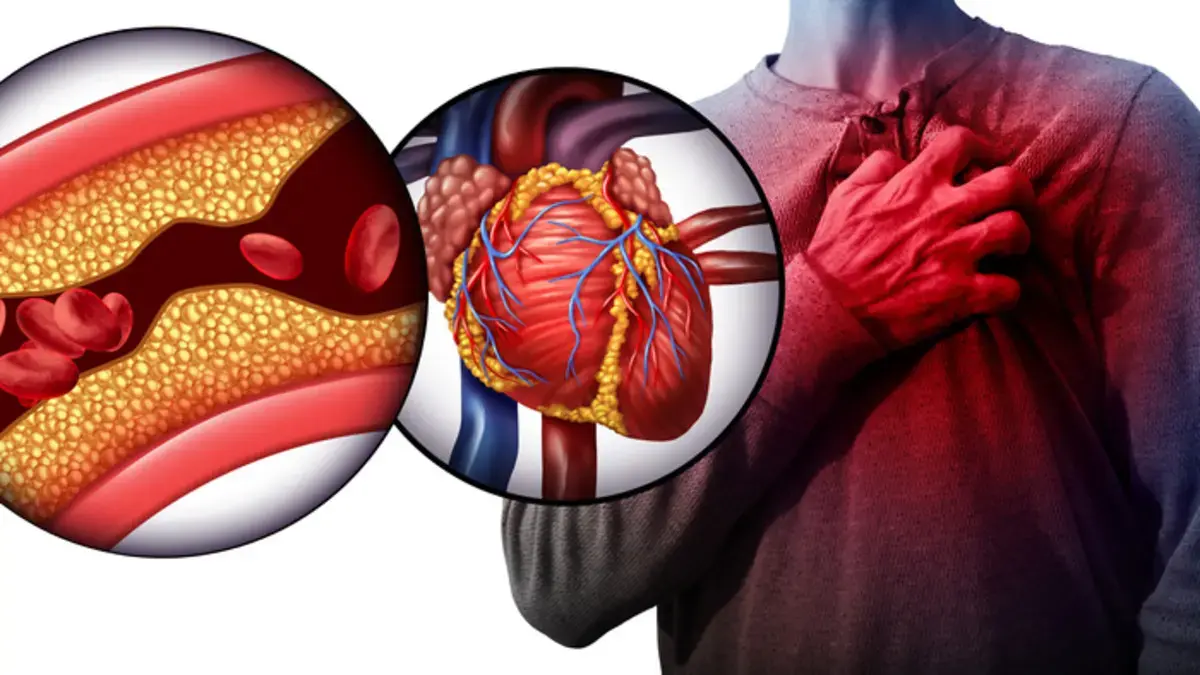
Blocked arteries can lead to heart attacks and coronary artery disease.
Stroke
Reduced blood flow to the brain increases the risk of stroke.
High Blood Pressure
Narrow arteries increase resistance to blood flow, raising blood pressure.
Prevention Tips
Healthy Diet
- Reduce fried and fatty foods
- Eat more fruits and vegetables
- Include healthy fish in your diet
Lifestyle Changes
- Regular exercise
- Maintain healthy weight
- Quit smoking
Conclusion
High cholesterol is usually a silent condition that does not produce direct symptoms. It is often discovered only through blood tests or after serious complications occur. Therefore, regular screening and a healthy lifestyle are essential for prevention and early detection.