
Does Teeth Cleaning Weaken Teeth? | Medical Truth Explained Simply
Many people believe that professional teeth cleaning may weaken or damage the teeth, especially after tartar removal. This leads to a common question: Does teeth cleaning weaken teeth?
In this article, we explain the medical truth in a simple way, when cleaning is beneficial, and why some temporary symptoms may appear afterward.
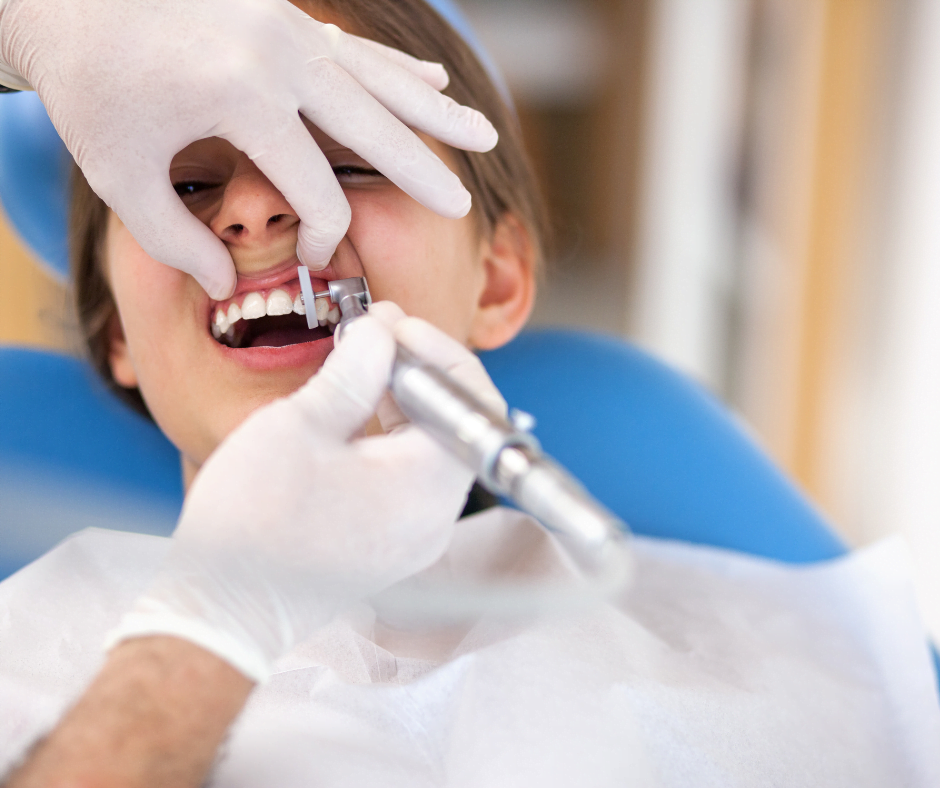
What Is Professional Teeth Cleaning?
Teeth cleaning is a simple dental procedure that aims to:
- Remove hardened tartar (calculus) from teeth
- Eliminate plaque and bacteria
- Polish the tooth surface for better appearance
👉 The main goal is to protect teeth and gums, not weaken them.
Does Teeth Cleaning Really Weaken Teeth?
Medical answer: No, professional teeth cleaning does not weaken teeth at all.
However, some people may notice after cleaning:
- Mild tooth sensitivity
- A different feeling after tartar removal
- Exposure of previously covered areas
👉 This is temporary and not actual damage to the teeth.
Why Does Sensitivity Occur After Cleaning?
After removing tartar, the following may happen:
- Exposure of sensitive tooth areas
- Slight gum recession in some cases
- Temporary reaction to hot or cold food
🔹 These symptoms usually disappear within a few days.
When Is Teeth Cleaning Necessary?
Teeth cleaning becomes important if you notice:
- Visible tartar buildup
- Bleeding while brushing
- Bad breath
- Gum inflammation or swelling
👉 In these cases, cleaning protects your teeth instead of harming them.
What Happens If You Ignore Teeth Cleaning?
Neglecting dental cleaning for a long time may lead to:
- Gum disease
- Tooth decay
- Gum recession
- Tooth loss in advanced cases
Is Frequent Teeth Cleaning Harmful?
Professional cleaning is safe when done:
- Every 6 months or as needed
- Using proper dental instruments
❌ However, unnecessary over-cleaning or incorrect home methods may cause mild gum irritation.
Home Cleaning vs Professional Cleaning
Home dental care:
- Maintains daily hygiene
- Does not remove hard tartar
Professional dental cleaning:
- Removes deep tartar
- Improves gum health
- Safe and essential procedure
❓ FAQ (Frequently Asked Questions)
Is teeth cleaning painful?
Usually no. It is painless, but may cause slight discomfort in some cases.
Does teeth cleaning create gaps between teeth?
No. It only reveals gaps that were previously hidden by tartar.
How often should teeth be cleaned?
Typically every 6 months, or as recommended by your dentist.
Does teeth cleaning damage enamel?
No, enamel is not affected by proper professional cleaning.
🧾 Conclusion
The answer to “Does teeth cleaning weaken teeth?” is no. It is a preventive and essential procedure that helps protect gums and teeth from disease. Any sensitivity after cleaning is temporary and harmless.
👉 Regular dental cleaning and check-ups are the best way to maintain long-term oral health and prevent serious dental problems.