
Acne Treatment in Maadi | A Complete Medical Guide by Dr. Magy Fawzy
Contact Dr. Magy Fawzy Clinic
Dr. Magy Fawzy
Senior Consultant of Dermatology, Venereology, Regenerative Medicine, and Laser Dermatology
📍 Address: 5 Al-Zahraa Main Street – First Floor, Maadi, Cairo, Egypt
📞 For Appointments & Inquiries: 01023454040 – 01289311010 – 01204333303
📧 Email: [email protected]
📍 Clinic Location: Google Maps – Click here to reach the clinic
Working Hours
🕑 From 2:00 PM to 9:00 PM
📅 Every day except Thursday and Friday
⚠️ Appointments are required in advance.
Acne Treatment in Maadi with a Personalized Medical Plan
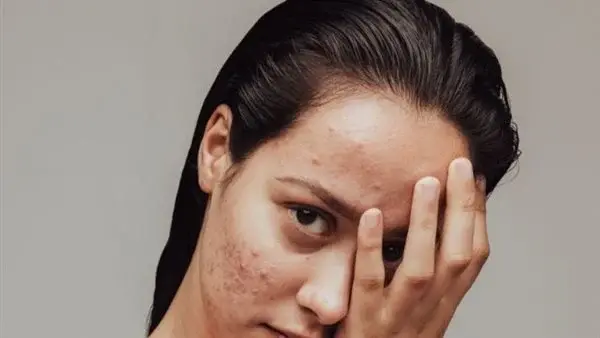
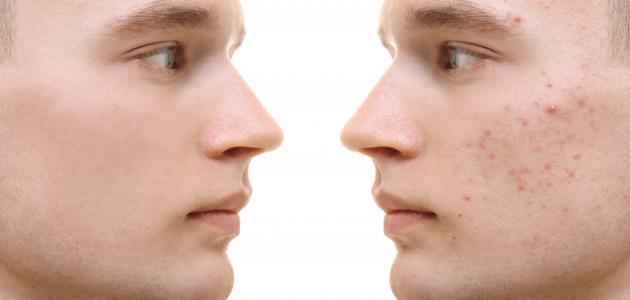
Acne is one of the most common skin conditions among teenagers and adults. It can appear on the face, back, or chest in different forms, ranging from blackheads and whiteheads to inflammatory and painful deep acne. Finding the right acne treatment in Maadi starts with an accurate medical assessment to identify the causes of acne, determine its severity, evaluate the skin type, and select the most appropriate treatment plan for each case.
At Dr. Magy Fawzy Clinic in Maadi, acne and its effects are addressed through personalized treatment plans that may include medical and topical treatments, medical skin cleansing, appropriate chemical peels, and selected laser or light-based procedures when indicated. Treatment may also focus on post-acne pigmentation and acne scars according to the patient's individual condition.
The goal of acne treatment is not only to control existing breakouts but also to reduce the recurrence of acne and minimize the possibility of developing post-acne pigmentation and scars.
What Is Acne?
Acne is a common skin disease that develops as a result of several factors that can lead to clogged hair follicles, increased sebum production, and inflammation.
Acne may appear as:
- Whiteheads.
- Blackheads.
- Red inflammatory pimples.
- Pustules containing pus.
- Painful nodules or cyst-like lesions in more severe cases.
The severity of acne varies from one person to another. Therefore, there is no single treatment that is suitable for everyone. Consulting a dermatologist in Maadi is recommended before using strong treatments or products that may not be suitable for your skin.
What Causes Acne?
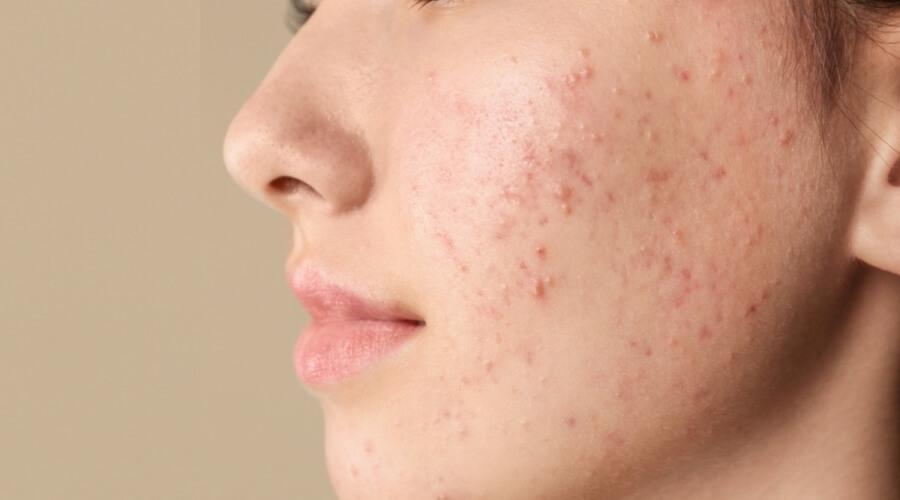
Several factors can contribute to the development or worsening of acne, including hormonal changes, excessive oil production, clogged pores, genetics, and certain daily skincare habits.
Hormonal Changes
Hormones play an important role in acne development, particularly during adolescence. Acne may also become more noticeable in some women during certain stages of the menstrual cycle or in association with certain hormonal disturbances.
Increased Oil Production
When the sebaceous glands produce excess oil, sebum and dead skin cells can accumulate inside the pores, contributing to clogged pores and the development of blackheads, whiteheads, and inflammatory acne.
Clogged Pores
The accumulation of dead skin cells and excess oil inside the pores can contribute to acne, particularly when skincare products that are not suitable for the skin type are used.
Genetic Factors
A family history of acne may increase the likelihood of developing acne or experiencing more severe forms of the condition.
Daily Skincare Habits
Certain habits may irritate the skin and worsen acne, including frequently touching the face, squeezing pimples, using harsh skincare products, or washing the face excessively.
Types and Severity of Acne
The appropriate acne treatment depends on the type of acne, its severity, the extent of inflammation, and whether pigmentation or scars are present.
Mild Acne
Mild acne commonly appears as:
- Blackheads.
- Whiteheads.
- A limited number of pimples.
Some mild cases may respond well to appropriate topical treatments prescribed by a dermatologist.
Moderate Acne
Moderate acne may involve a larger number of inflammatory pimples and pustules. It generally requires a more structured treatment plan and medical follow-up to control inflammation and reduce the risk of post-acne marks.
Severe Acne
Severe acne may involve large, deep, and painful lesions. These forms of acne may have a higher risk of causing permanent scarring, making early diagnosis and treatment particularly important.
Acne Symptoms and Post-Acne Effects
Acne does not only cause active pimples. In some cases, it can leave marks that remain for a long time after the inflammation has disappeared.
Common effects include:
- Inflammatory pimples and pustules.
- Redness.
- Dark spots and post-acne pigmentation.
- Changes in skin texture.
- Superficial acne scars.
- Deep acne scars in some cases.
For this reason, acne scar treatment and treatment of post-acne pigmentation can become an important stage after active acne has been controlled.
Modern Acne Treatment Options at Dr. Magy Fawzy Clinic
The choice of acne treatment in Maadi depends on the patient's skin type, acne severity, and existing marks or scars. The treatment plan may include one or more of the following options depending on the medical assessment.
1. Medical and Topical Acne Treatments
Medical skincare products and topical treatments may be prescribed according to the patient's condition. These treatments can include creams, gels, or other medical preparations targeting different factors involved in acne.
Appropriate treatments may help to:
- Reduce inflammation.
- Reduce clogged pores.
- Minimize the appearance of new breakouts.
- Improve the overall appearance of the skin.
- Control excessive oil production in selected cases.
Medical treatments should be used according to the dermatologist's instructions, especially products that may cause dryness or skin irritation.
2. Medical Skin Cleansing
Medical skin cleansing sessions may be suitable for certain patients to help manage excess oil, impurities, and blackheads. The appropriate cleansing method should be selected according to the skin type and condition.
Professional skin cleansing may improve the appearance of pores, but it should not be considered a replacement for medical acne treatment when medication is required.
3. Laser and Light-Based Acne Treatment
Selected laser and light-based technologies may be used to address certain acne-related skin concerns or post-acne effects. The choice of technology depends on the specific skin problem being treated.
Depending on the procedure, some technologies may aim to:
- Reduce inflammation.
- Improve overall skin appearance.
- Address certain post-acne marks.
- Improve pigmentation or selected types of acne scars.
- Stimulate skin renewal and collagen production in certain procedures.
The dermatologist determines whether laser acne treatment is appropriate, as the recommended technique may differ depending on whether the patient has active acne, pigmentation, or acne scars.
4. Medical Chemical Peels
Certain types of medical chemical peels may be used to address skin concerns associated with acne, such as blackheads, pigmentation, and post-acne marks, depending on the skin type and sensitivity.
An appropriate peel may help to:
- Improve skin texture.
- Reduce certain types of pigmentation.
- Renew the superficial layers of the skin.
- Improve the appearance of pores.
- Help improve some superficial post-acne marks.
Strong acids and exfoliating products should not be used without professional guidance, particularly when the skin is inflamed or sensitive.
5. Skin Rejuvenation Treatments When Needed
In some cases, after active acne has been controlled, the dermatologist may recommend skin rejuvenation procedures to improve skin radiance or texture. Depending on the individual assessment and treatment goals, these may include certain Skin Booster or Mesotherapy procedures.
These procedures are not primary treatments for every type of acne. They may instead form part of a cosmetic or skin-rejuvenation plan for selected patients following medical evaluation.
Post-Acne Treatment and Pigmentation
After active acne is controlled, some patients may continue to experience marks or pigmentation that require a separate treatment plan.
Post-acne treatment varies according to the type of mark. Pigmentation is different from scarring, while superficial scars require a different approach from deep acne scars.
Depending on the condition, the treatment plan may include:
- Appropriate laser sessions.
- Medical chemical peels.
- Medical skincare products for pigmentation.
- Collagen-stimulating procedures.
- Techniques designed to improve scar texture.
- Skin rejuvenation procedures when appropriate.
Results generally develop gradually rather than after a single session. Patients may require time, commitment to the treatment plan, and the number of sessions determined by the dermatologist.
Acne Scar Treatment
Acne scars are among the most common concerns after active acne has disappeared, particularly when the scars are deep or affect the texture of the skin.
The choice of acne scar treatment depends on several factors, including:
- The type of scar.
- The depth of the scar.
- The location of the scar.
- Skin tone.
- The presence of associated pigmentation.
- The current condition of the skin.
For this reason, one technique should not be automatically used for every type of acne scar. A dermatologist should evaluate the skin and determine the most appropriate procedure.
Important Skincare Tips During Acne Treatment
To get the best possible benefit from an acne treatment plan, it is important to maintain an appropriate daily skincare routine.
Key Tips:
- Wash the face gently using a cleanser suitable for your skin type.
- Avoid excessive face washing.
- Do not squeeze or repeatedly touch pimples.
- Use non-comedogenic products when appropriate for your skin.
- Apply a suitable sunscreen regularly.
- Follow the treatments prescribed by your dermatologist.
- Avoid trying multiple new products at the same time without professional advice.
- Maintain a healthy and balanced lifestyle.
- Consult a dermatologist if acne persists or becomes more severe.
Does Squeezing Pimples Cause Acne Scars?
Squeezing or picking pimples can increase inflammation and skin irritation and may increase the risk of pigmentation and scarring, particularly with deep and inflammatory acne.
It is therefore preferable to allow pimples to respond to appropriate treatment rather than attempting to squeeze or drain them at home.
When Should You Visit a Dermatologist in Maadi?
You should consider consulting a dermatologist if:
- Acne continues for a long period without improvement.
- Breakouts occur repeatedly.
- Large or painful pimples appear.
- Post-acne pigmentation becomes more noticeable.
- Acne scars begin to develop.
- Home skincare products do not improve the condition.
- Acne affects your confidence or daily life.
Early medical assessment can help determine an appropriate treatment plan and may reduce the risk of persistent acne and long-term skin effects.
Why Is Diagnosis Important Before Acne Treatment?
Not every skin breakout is necessarily acne, and the causes of breakouts can vary from one person to another.
Therefore, selecting the appropriate acne treatment in Maadi requires evaluating several factors, including:
- The type of acne.
- The degree of inflammation.
- Skin type.
- The presence of pigmentation.
- The presence of acne scars.
- Medical history.
- Previous treatments.
- The skincare products currently being used.
Based on this assessment, a more personalized treatment plan can be developed.
Dr. Magy Fawzy for Acne Treatment in Maadi
If you are looking for acne treatment in Maadi or need a medical assessment for acne, pigmentation, or acne scars, Dr. Magy Fawzy Clinic provides specialized dermatology, regenerative medicine, and laser dermatology services.
Treatment plans differ from one patient to another. Therefore, a medical consultation is the first step toward identifying the cause of acne and selecting the most appropriate procedures for your skin type and condition.
Dr. Magy Fawzy Clinic Contact Information
📍 Address: 5 Al-Zahraa Main Street – First Floor, Maadi, Cairo, Egypt
📞 Phone:
📧 Email:
⏰ Working Hours:
2:00 PM – 9:00 PM
📅 Working Days:
Every day except Thursday and Friday
⚠️ Appointments are required in advance.
Conclusion
Acne treatment in Maadi requires an accurate diagnosis and a personalized treatment plan rather than relying on random products or home remedies. The appropriate treatment varies according to acne severity, skin type, inflammation, pigmentation, and the presence of scars.
At Dr. Magy Fawzy Clinic, the skin can be medically assessed and a personalized treatment plan can be developed. Depending on the condition, the plan may include topical medical treatments, dermatological procedures, laser or other suitable technologies, as well as treatments for post-acne marks, pigmentation, and acne scars.
If you experience recurrent acne or post-acne marks and are looking for a dermatologist in Maadi, the first step is to schedule a professional medical assessment to identify the cause of the problem and determine the most suitable treatment for your skin.