Hormone Therapy Found to Lower Risk of Stomach and Esophageal Cancer
Researchers at Sweden’s Karolinska Institute have revealed that hormone replacement therapy (HRT) used during menopause may reduce the risk of developing stomach and esophageal cancers by up to 30%.

A recent study conducted by the Karolinska Institute in Sweden found that hormone replacement therapy (HRT)—which includes estrogen and progesterone—is associated with a lower risk of stomach and esophageal cancer, based on medical data collected between 1994 and 2020.
According to the findings, people who used HRT were 30% less likely to develop cancer compared to those who did not, supporting a strong inverse relationship between hormone therapy and cancer risk.
Dr. Viktoria Wokalewski, a surgical specialist at the institute, stated that the research is among the most comprehensive studies to date linking HRT with reduced cancer incidence, particularly esophageal glandular adenocarcinoma, the most common type of esophageal cancer.
She explained that postmenopausal women over 60 are more vulnerable to cancer due to the decline in estrogen levels, suggesting that hormone therapy may play a protective role when properly supervised by medical professionals.
Researchers emphasized that these findings offer new insights into the hormonal mechanisms of cancer prevention, though further studies are needed to fully understand the long-term safety and potential side effects of hormone therapy.

Modern weight loss injections work by using hormones that regulate appetite and reduce feelings of hunger, which helps the body lose weight in a natural and safe way.
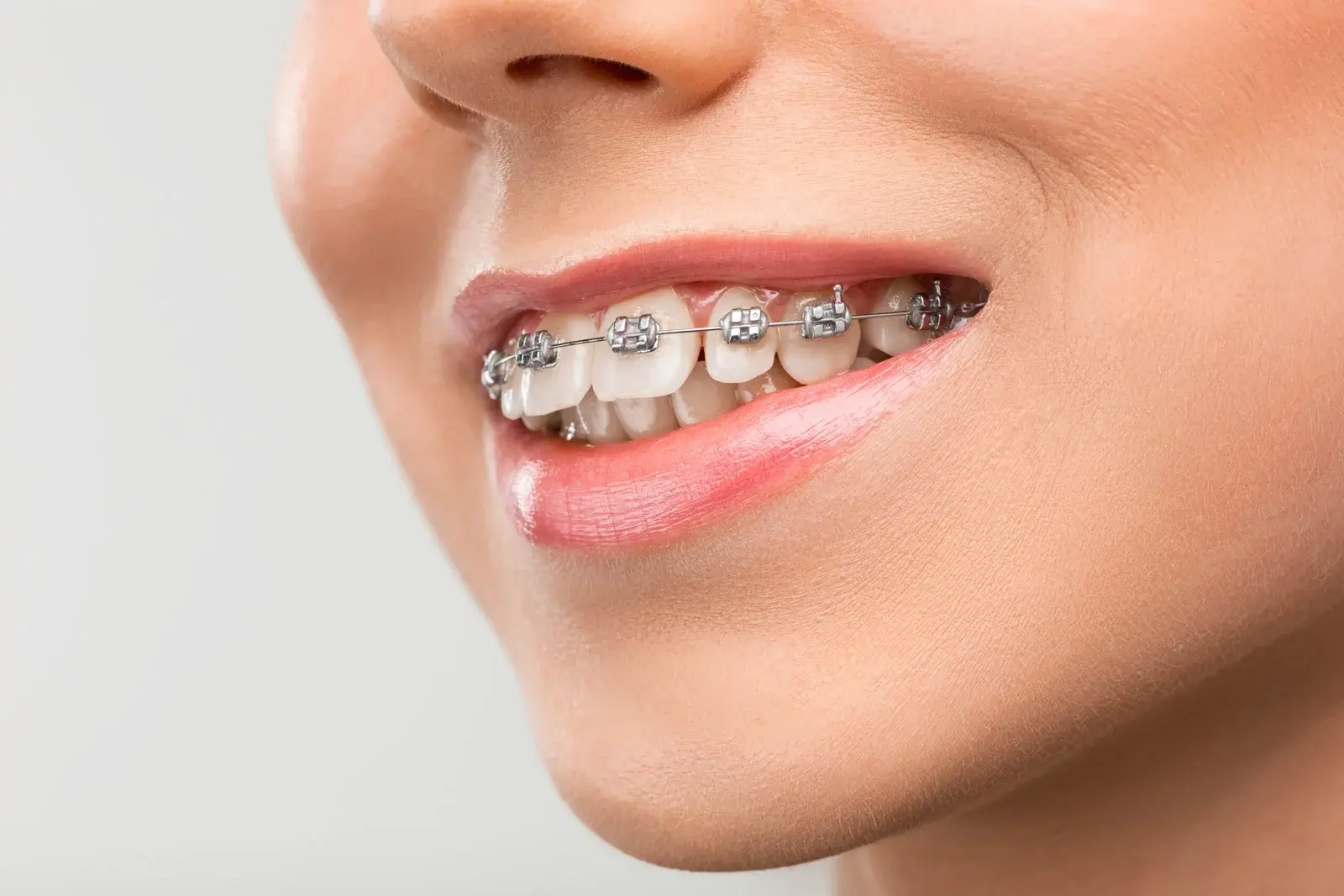
Can your orthodontic results disappear after all that effort? 🤔 Discover why retainers are essential and how to keep your perfect smile for years!
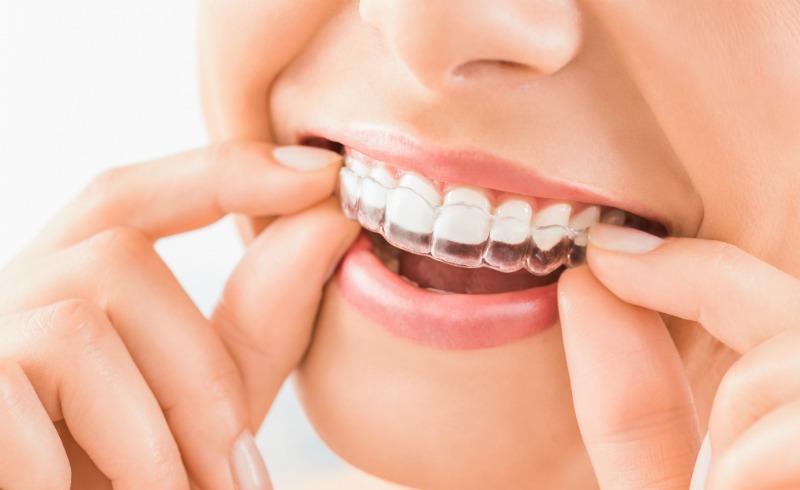
After completing orthodontic treatment, many patients think the journey is over. However, medically speaking, the most important phase begins now: the retainer phase, which is essential to maintain results and prevent teeth from shifting back to their original position.
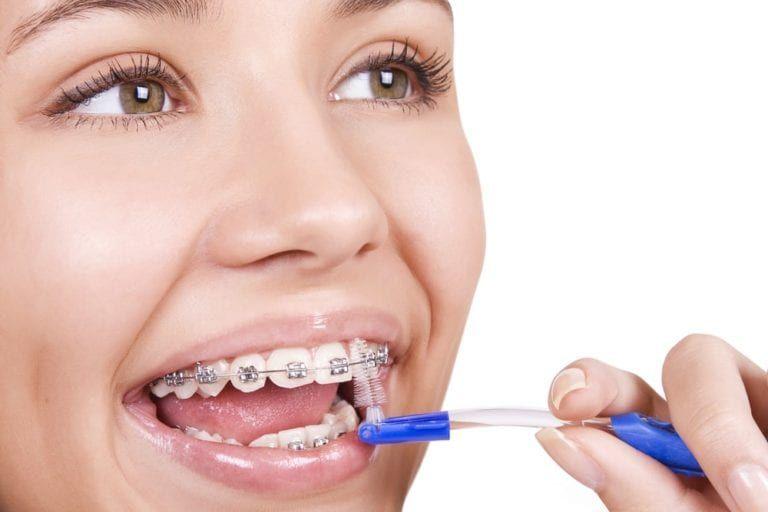
Orthodontic treatment is an important step to improve the appearance and function of teeth and jaws. However, it requires strict adherence to post-placement instructions to ensure treatment success and achieve the best possible results in the shortest time.
