
Eczema Treatment, Symptoms and Causes | Professor Waheed Haisam
Professor Waheed Haisam
📍 Mohandessin – New Cairo – Ismailia
📞 Mohandessin: 01026664370
📞 New Cairo: 01006665210
☎️ Ismailia: 0643918787
Eczema is a common skin condition that can cause itching, dryness, redness, and skin irritation. Symptoms may improve for a period and then return during flare-ups. Because symptoms and severity vary from one person to another, eczema does not have one treatment plan that is suitable for everyone.
Professor Waheed Haisam evaluates patients experiencing eczema-like symptoms and other skin conditions to determine the nature of the problem, possible triggers, and the appropriate medical management.
1. What Is Eczema?
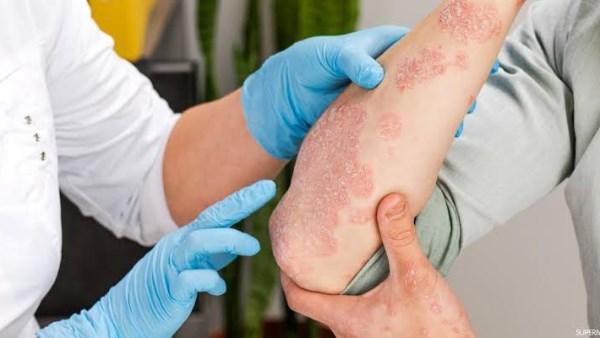
Eczema, particularly atopic dermatitis, is a skin condition that can cause dry, itchy, and inflamed skin.
It often begins during childhood but can develop at any age. Symptoms may improve for periods and then return as flare-ups.
Atopic dermatitis is not contagious and cannot be passed from one person to another through ordinary contact.
2. What Are the Symptoms of Eczema?
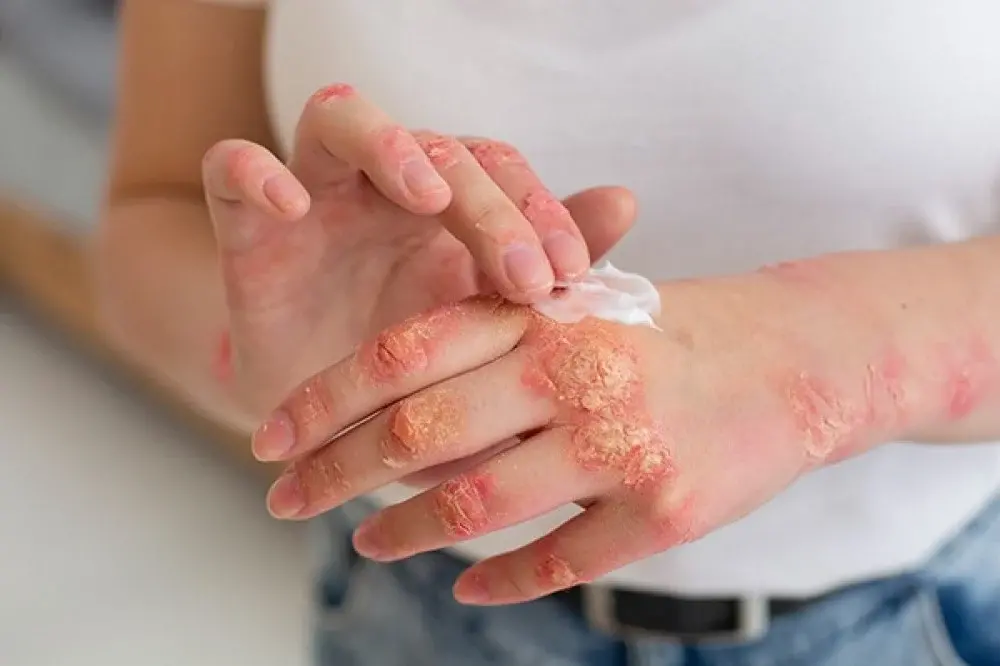
Symptoms vary according to age, eczema type, and the affected area. Common symptoms include:
- Itching.
- Dry skin.
- Skin rash.
- Redness or changes in skin color.
- Scaling.
- Cracked skin.
- Thickened skin after repeated scratching in some cases.
- Swelling or oozing when severe inflammation or infection occurs.
Itching is one of the most characteristic symptoms and repeated scratching can further irritate the skin.
3. Where Does Eczema Appear?
Eczema can affect different areas of the body, and its location may vary according to age and eczema type.
In children, it may appear on the face or scalp. At other ages, it may affect the elbows, knees, hands, or other areas of the skin.
The location alone, however, is not enough to establish a diagnosis.
4. What Causes Eczema?
There is no single cause responsible for every case of eczema.
Research indicates that atopic dermatitis involves several interacting factors, including genetics, immune-system activity, the skin barrier, and environmental factors that come into contact with the skin.
A weakened skin barrier can increase moisture loss and make the skin more vulnerable to dryness and irritation.
5. What Can Trigger Eczema Flare-Ups?
Triggers vary from one person to another. Common factors that may worsen symptoms include:
- Heat and sweating.
- Weather and temperature changes.
- Dry skin.
- Certain soaps and detergents.
- Fragrances and some skincare products.
- Certain fabrics, including wool.
- Stress.
- Environmental factors.
Identifying individual triggers may help reduce the frequency of flare-ups.
6. Does Eczema Require Medical Diagnosis?
Yes. Eczema symptoms can resemble those of other skin conditions.
A dermatologist generally evaluates the skin, symptoms, when they began, and factors that make them better or worse. Additional testing may sometimes be required to confirm the diagnosis or rule out other conditions.
For this reason, repeatedly using an old prescription or self-treating without an appropriate evaluation may not be suitable, particularly when symptoms are persistent or severe.
7. How Is Eczema Treated?
Treatment depends on the type and severity of eczema, the affected area, the patient's age, and the overall condition of the skin.
Depending on the medical assessment, treatment may include:
Moisturizing the Skin
Maintaining adequate skin moisture is an important part of managing atopic dermatitis because moisturizers help reduce dryness and support the skin barrier.
Avoiding Triggers
Identifying factors that worsen eczema and avoiding them when possible can help reduce flare-ups in some patients.
Topical Medications
A dermatologist may prescribe topical treatments according to the patient's condition, including topical corticosteroids or other appropriate medications. These treatments should be used according to medical instructions, particularly regarding duration and the areas of application.
Other Treatments When Needed
For moderate or severe eczema that does not respond adequately to topical treatment, a dermatologist may consider other options, such as phototherapy or systemic medications, depending on the patient's condition and medical assessment.
8. Why Does Eczema Come Back?
Atopic dermatitis commonly has periods of improvement followed by periods when symptoms become worse.
Flare-ups may occur after exposure to a trigger, changes in the environment, dry skin, or other factors that differ between patients.
Therefore, eczema management involves not only treating symptoms during a flare-up but also maintaining the skin and identifying individual triggers.
9. Skin Care Tips for Eczema
Some daily habits may help reduce skin irritation, including:
- Moisturizing the skin regularly.
- Applying moisturizer after bathing while the skin is still slightly damp.
- Avoiding fragranced products when they cause irritation.
- Avoiding very hot water and prolonged bathing.
- Trying not to scratch the affected skin.
- Wearing comfortable clothing that does not increase friction.
- Choosing suitable products for sensitive skin.
- Paying attention to factors that precede or worsen flare-ups.
These measures do not replace medical treatment when symptoms are significant or persistent.
10. When Should You See a Dermatologist?
A dermatology consultation is recommended when itching or a rash persists, symptoms repeatedly return, or the condition interferes with daily life.
Severe cracking, oozing, or signs that may indicate a skin infection also require medical evaluation. People with atopic dermatitis may be more susceptible to certain skin infections.
11. Professor Waheed Haisam for Skin Conditions and Eczema
Professor Waheed Haisam evaluates patients with eczema symptoms and other dermatological conditions, helping determine the nature of the condition, possible triggers, and an appropriate management plan based on medical assessment.
🏙️ Mohandessin Clinic
18 Gool Gamal Street, off El-Batal Ahmed Abdel Aziz Street, above BIM Market, First Floor.
📞 Contact: 01026664370
🏙️ Fifth Settlement Clinic
90th Street, HCC Mall, behind Air Force Hospital.
📞 Contact: 01006665210
🏙️ Ismailia Clinic
74 El-Geish Street, opposite the Army Officers Club.
☎️ Contact: 0643918787
12. Frequently Asked Questions About Eczema
Is eczema contagious?
No. Atopic dermatitis is not contagious and cannot be passed from person to person.
Does eczema have a permanent cure?
Atopic dermatitis can often be controlled and its flare-ups reduced, but there is currently no definitive cure that guarantees complete disappearance for every patient. Management varies according to the individual case.
Does every itchy or red patch mean eczema?
No. Several skin conditions can cause itching, redness, and dryness, so an appropriate medical evaluation is important.
Can eczema disappear and then return?
Yes. Eczema can improve for periods and then return during flare-ups, particularly when certain triggers are present.
Is moisturizing important for eczema?
Yes. Maintaining skin moisture is a key part of eczema skin care and can help reduce dryness and support the skin barrier.
Conclusion
Eczema is more than temporary skin dryness or redness. It can be a recurring skin condition that causes itching and irritation and may affect daily comfort.
Management depends on identifying the nature of the condition and factors that worsen symptoms, together with ongoing skin care and treatment prescribed according to the individual medical assessment.
If you have persistent or recurring symptoms that resemble eczema, you can contact Professor Waheed Haisam to arrange a medical evaluation at one of the clinics.
📞 Mohandessin: 01026664370
📞 Fifth Settlement: 01006665210
☎️ Ismailia: 0643918787