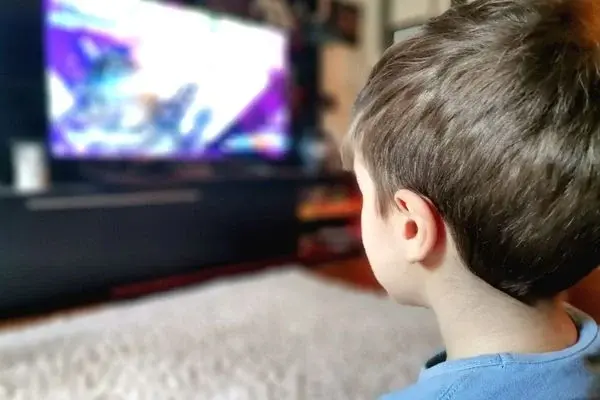

Researchers from the University of Florida Atlantic and Aarhus University in Denmark conducted a groundbreaking study examining the impact of excessive screen exposure during early childhood. The findings suggest that spending long hours in front of screens without supervision may increase the likelihood of language-related difficulties, which can later develop into social and emotional challenges.
The study observed that children who experienced limited verbal communication skills and reduced vocabulary were more likely to face adjustment problems over time. These effects were particularly noticeable among preschool and kindergarten-aged children who spent between 10 to 30 minutes of daily unsupervised screen time over the course of a week.
A total of 546 children aged between 4 and 5 years participated in the study across multiple childcare centers in Denmark. Teachers assessed behavioral and emotional adjustment over a six-month period, while also evaluating language abilities such as communication skills and productive vocabulary. Parents reported the average amount of time their children spent alone using electronic devices, including mobile devices and television, excluding supervised viewing.
The results revealed a strong connection between early language difficulties and later behavioral and emotional challenges. Notably, unsupervised screen use appeared to intensify these issues, acting as a compounding factor. Children who spent more time alone with screens showed a stronger correlation between poor language skills and increased behavioral problems.
Researchers emphasized that every hour a child spends alone with a device is an hour not spent engaging in meaningful social interactions that help develop communication and emotional skills. Screens do not encourage dialogue, sharing, or turn-taking—key abilities necessary for children struggling with communication.
Young children primarily acquire language through direct human interaction rather than passive screen exposure. While digital media can offer some educational value, it cannot replace the richness of real-life social experiences gained through play and interaction with peers.
Excessive screen use among young children has become widespread. The World Health Organization recommends limiting screen time to no more than one hour per day for children aged 2 to 5 years, yet global studies show that many families exceed this guideline. In some regions, a significant proportion of children spend more than two hours daily in front of screens, with usage increasing during weekends. Both content quality and parental supervision play crucial roles in shaping the impact of screen exposure.
Experts recommend that parents not only limit screen time but also engage with their children during viewing. Co-viewing helps transform passive consumption into an interactive experience. Additionally, the quality of content is considered more important than the total duration of screen use, as high-quality educational media can provide developmental benefits when used appropriately.
Without supervision, however, young children tend to gravitate toward fast-paced, highly stimulating content, which may not be suitable for their age or developmental stage.