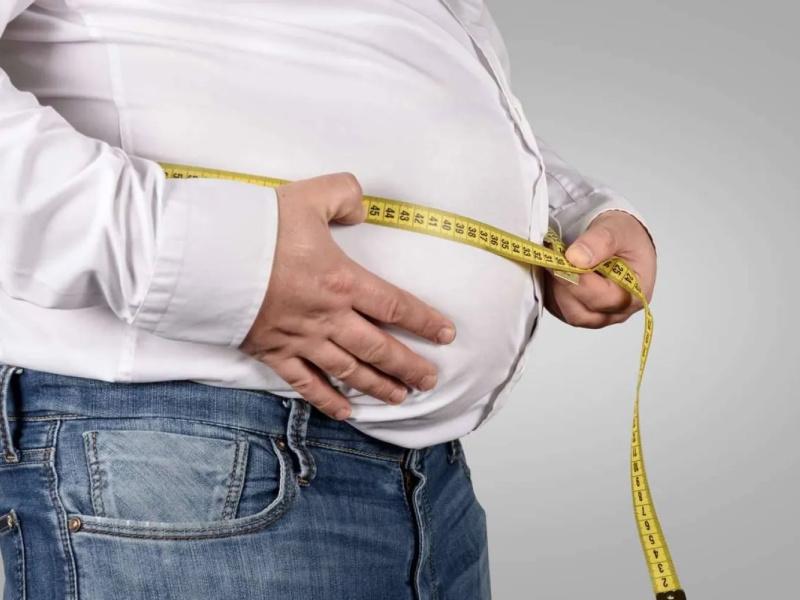
Many people turn to food during stressful moments without realizing they are responding emotionally rather than physically. While occasional comfort eating may seem harmless, repeated reliance on food as a coping mechanism can lead to weight gain and serious health risks.
Medical experts explain that food can provide temporary comfort and distraction. However, when stress becomes chronic, emotional eating may develop into a persistent pattern.
Signs of Emotional Eating
You may be eating emotionally if you:
-
Eat without feeling physically hungry.
-
Snack out of boredom.
-
Feel guilty or out of control after eating.
-
Crave food immediately after arguments or stressful tasks.
-
Gain weight without major lifestyle changes.
-
Regularly use food as a reward.
Common Stress-Related Eating Patterns
-
Mindless snacking: Eating while distracted by screens.
-
Grazing: Small bites throughout the day without awareness.
-
Late-night cravings: Snacking after exhausting days.
-
Binge episodes: Consuming large amounts quickly during emotional peaks.
-
Skipping meals: Stress may reduce appetite temporarily, leading to later overeating.
Health Risks
Chronic stress is linked to high blood pressure, cardiovascular disease, anxiety, and depression. Over time, persistent emotional eating can worsen weight-related conditions and weaken immune function.
How to Break the Cycle
Consider healthier coping strategies such as:
-
Physical activity: Even short walks release mood-boosting endorphins.
-
Healthy distractions: Music, podcasts, or social interaction.
-
Prioritizing sleep: Fatigue increases cravings.
-
Relaxation techniques: Deep breathing, meditation, journaling.
-
Professional support: Therapy can help identify triggers and build healthier habits.