Epilepsy Drug Shows Promise for Treating Sleep Apnea | Study
A new study reveals that an old epilepsy medication could revolutionize sleep apnea treatment by reducing breathing interruptions and improving sleep quality.

A groundbreaking study has found that a decades-old epilepsy drug may offer new hope for millions suffering from obstructive sleep apnea — a common condition that causes loud snoring, disrupted breathing, and poor sleep quality.
Published in The Lancet, the research highlights that Sultiame, a medication used since the 1950s to treat epileptic seizures, reduced breathing interruptions during sleep by 47% and significantly improved blood oxygen levels compared to those who took a placebo.
Currently, there are no approved medications for sleep apnea. Treatment typically involves continuous positive airway pressure (CPAP) devices that keep the airways open during sleep. However, many patients struggle with discomfort or find it difficult to adhere to the therapy.
Dr. Jan Hedner from the University of Gothenburg, Sweden, one of the study’s lead authors, said the findings represent “a major breakthrough,” noting that for the first time, sleep apnea can potentially be managed pharmacologically.
If further studies confirm the results, Sultiame could become the world’s first approved medication for sleep apnea — transforming treatment options and improving the quality of life for millions worldwide.

Modern weight loss injections work by using hormones that regulate appetite and reduce feelings of hunger, which helps the body lose weight in a natural and safe way.
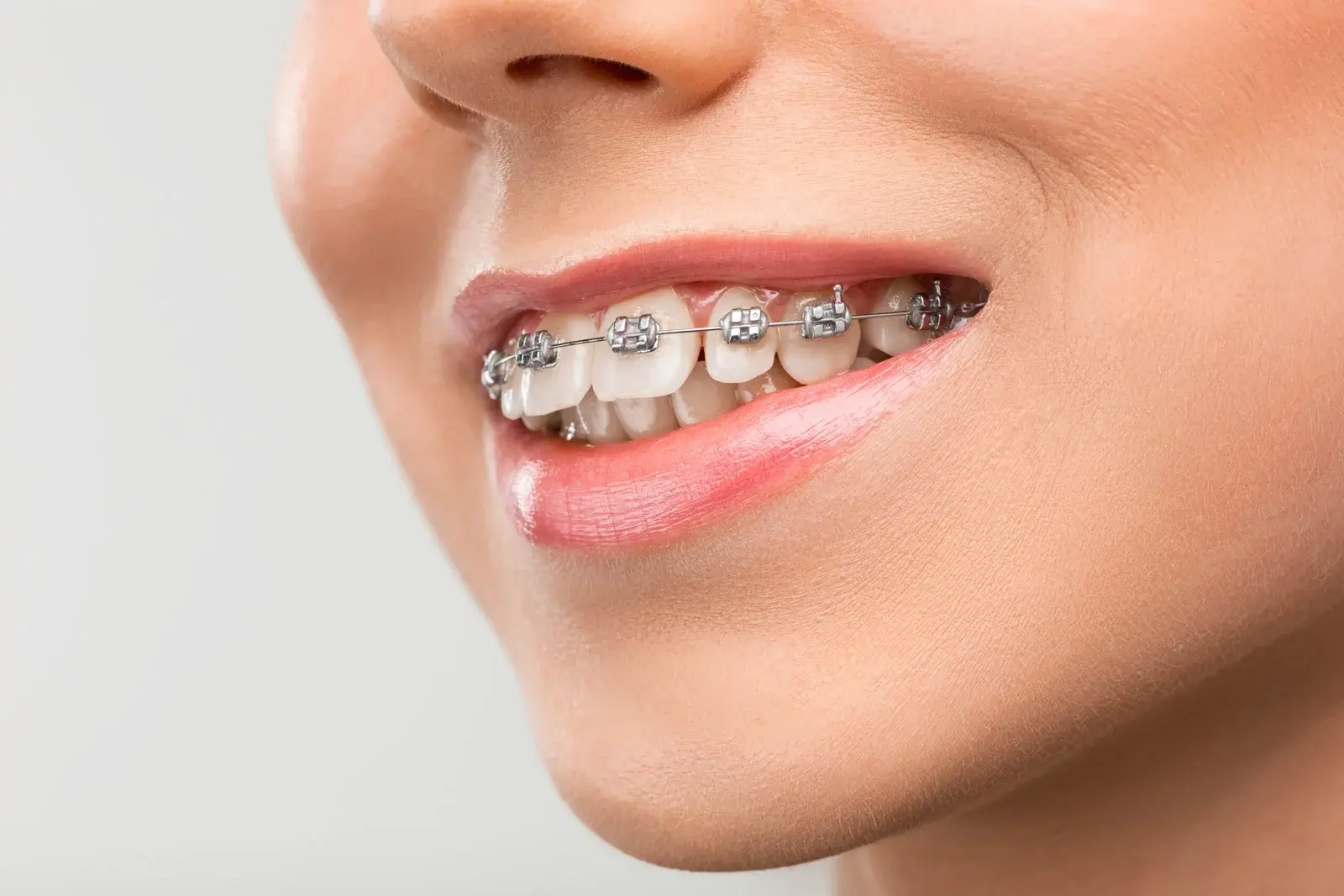
Can your orthodontic results disappear after all that effort? 🤔 Discover why retainers are essential and how to keep your perfect smile for years!
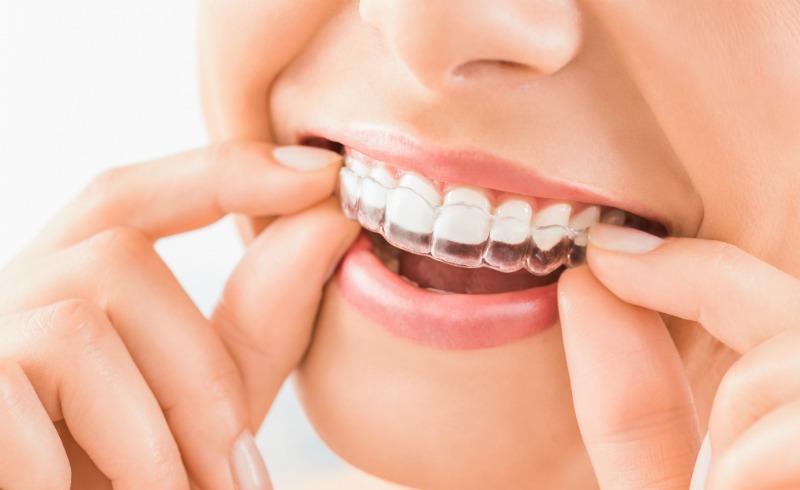
After completing orthodontic treatment, many patients think the journey is over. However, medically speaking, the most important phase begins now: the retainer phase, which is essential to maintain results and prevent teeth from shifting back to their original position.
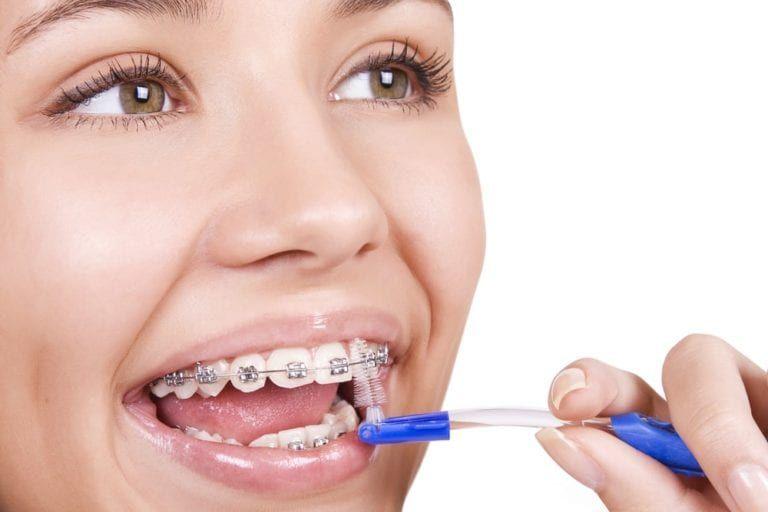
Orthodontic treatment is an important step to improve the appearance and function of teeth and jaws. However, it requires strict adherence to post-placement instructions to ensure treatment success and achieve the best possible results in the shortest time.
