
Flexible Ureteroscopy for Kidney and Ureter Stones | Dr. Mohamed Rabie in Ismailia
Kidney and ureter stones can cause pain in the side or back and may be accompanied by nausea or changes in urination, depending on the stone's size and location. Advances in urology have made flexible ureteroscopy an important option for treating certain urinary stones. The procedure allows a doctor to access the ureter and parts of the kidney using a thin, flexible scope, and laser technology may be used to break up stones when appropriate. The choice of treatment depends on the stone's characteristics, symptoms, imaging results, and the patient's overall health.
Clinic Information and Contact Details
For inquiries about flexible ureteroscopy or assessment of kidney and ureter stones, you can contact Dr. Mohamed Rabie using the details below.
Address:
81 Shebeen El-Kom Street, second floor, opposite Monginis, Ismailia Governorate, Egypt.
Phone / WhatsApp: 01223225002
What Is Flexible Ureteroscopy?
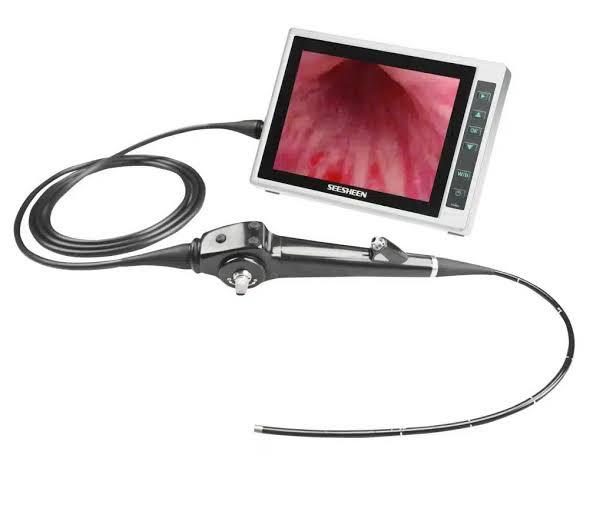
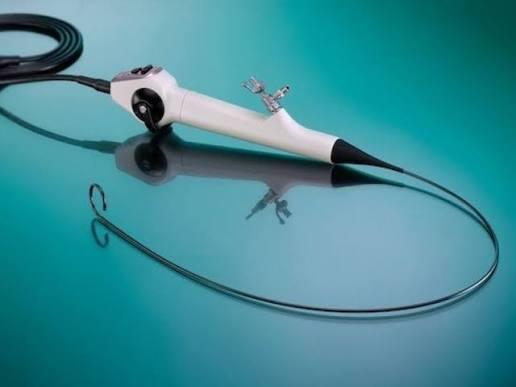
Flexible ureteroscopy is a medical procedure that uses a thin, bendable instrument equipped with a camera and light to examine the urinary tract and reach the ureter and, when needed, the inside of the kidney.
Compared with a rigid scope, the flexible instrument can navigate different areas of the urinary tract, including parts of the kidney that may be difficult to reach with more rigid instruments.
The procedure is commonly used to treat selected kidney and ureter stones. A laser fiber may be passed through the scope to break a stone into smaller fragments. Depending on their size and the treatment plan, fragments may be removed with special instruments or allowed to pass naturally in the urine.
Flexible ureteroscopy is not the best option for every patient. The appropriate approach depends on the stone's size, location, characteristics, and the patient's medical assessment.
When Is Flexible Ureteroscopy Used?
A doctor may recommend flexible ureteroscopy for certain urinary stones when the location and size make endoscopic treatment suitable.
Possible indications include:
-
Selected kidney stones that require removal or fragmentation.
-
Certain ureter stones, depending on their location and size.
-
Stones that are unlikely to pass naturally or are not suitable for observation alone.
-
Some cases in which another treatment approach has not achieved the intended result.
The decision may depend on stone size, location and hardness, the presence of obstruction or infection, kidney function, and the patient's medical history. Other options, such as extracorporeal shock wave lithotripsy or different endoscopic procedures, may be appropriate in some cases.
How Is Flexible Ureteroscopy Performed?
Flexible ureteroscopy is generally performed in a properly equipped medical facility using anesthesia selected by the treating team according to the patient's needs.
The doctor passes the scope through the urethra into the bladder and then into the ureter, reaching the kidney when required. The camera provides a view of the urinary tract and helps the doctor locate the stone.
If stone fragmentation is needed, a laser may be used to break it into smaller pieces. The doctor then manages the fragments according to their size, location, and the treatment plan.
In some cases, a temporary ureteral stent may be placed to help urine drain and reduce the effects of swelling after the procedure. A stent is not necessary for every patient, and the recommended duration varies.
What Tests May Be Needed Before Flexible Ureteroscopy?
Pre-procedure assessment helps evaluate the stone and determine whether the patient is ready for treatment. The doctor decides which tests are needed based on symptoms, medical history, and previous results.
Assessment may include:
-
Urine testing and, when indicated, a urine culture.
-
Blood tests to assess kidney function and other relevant health indicators.
-
Urinary tract imaging to determine the stone's size and location.
-
A review of current medications, particularly blood thinners.
-
An assessment of general health and suitability for anesthesia.
Tell the treating team about any known allergies, chronic conditions, and regular medications. If a urinary tract infection is present, it may need to be treated before an intervention, depending on the medical assessment.
What Are the Potential Benefits of Flexible Ureteroscopy?
One important benefit of flexible ureteroscopy is that it can reach the ureter and parts of the kidney through the urinary tract, without the need for an external surgical incision in the usual procedure.
Laser technology can help fragment selected stones, while the camera allows the doctor to see the treatment area during the procedure. It may also be an option for patients whose stones are not well suited to certain alternative treatments.
However, outcomes vary. Some patients may need another session or a different treatment approach. Complete stone clearance and the success of the procedure cannot be guaranteed without evaluating the individual case.
Is Flexible Ureteroscopy Painful? What Is Recovery Like?
The procedure is generally performed under anesthesia, so patients should not experience the procedure in the usual way while it is being carried out. Afterward, some may experience temporary burning during urination, discomfort in the side, or a small amount of blood in the urine.
A ureteral stent may cause additional symptoms, such as frequent urination, urgency, or discomfort. Recovery varies according to the procedure, the patient's health, and whether a stent has been placed.
Follow the doctor's instructions about activity, fluids, medications, and follow-up appointments. If a stent is inserted, make sure you know when it should be removed and do not leave it in place longer than recommended without medical follow-up.
What Are the Possible Risks of Flexible Ureteroscopy?
Like other medical procedures, flexible ureteroscopy carries potential risks, although it is widely used for appropriate cases of urinary stones.
Possible complications include urinary tract infection, bleeding, injury to the ureter, residual stone fragments, or the need for an additional procedure. The level of risk depends on the patient's condition, stone characteristics, and details of the procedure.
Seek urgent medical assessment if you develop a fever or chills after the procedure, severe or worsening pain, significant difficulty passing urine, or heavy bleeding. These symptoms should not be assumed to be a normal part of recovery.
How Is the Right Treatment for Kidney and Ureter Stones Chosen?
No single stone treatment is suitable for everyone. Some small stones may pass naturally with appropriate monitoring and treatment, while others require fragmentation or removal through a medical procedure.
The choice depends on stone size and location, its likely composition, the severity of symptoms, the presence of obstruction or infection, kidney function, and the patient's general health.
Reviewing imaging and test results with the treating doctor can help clarify the available options, their potential benefits and risks, and their suitability for the individual case.
Contact Dr. Mohamed Rabie in Ismailia
If you have kidney or ureter stones or want to understand whether flexible ureteroscopy may be suitable for your condition, the first step is a medical assessment and review of the relevant tests.
You can contact Dr. Mohamed Rabie to inquire about an appointment at the Ismailia clinic.
Address: 81 Shebeen El-Kom Street, second floor, opposite Monginis, Ismailia, Egypt.
Phone / WhatsApp: 01223225002